A fresh use for market cucumbers
A basket of cucumbers is easy to bring home from a Florida market, especially when the smaller, firm ones look too good to pass up. Quick-pickling gives them a tangy edge without a long project or special equipment. These cucumbers stay in the refrigerator rather than going through a canning process, so they are best made in a modest batch you can enjoy over the next several days.
Choose cucumbers that feel firm and have no soft spots. Small cucumbers tend to have fewer prominent seeds, but larger ones work if you slice them thinly. Taste a piece before you begin; if the skin is noticeably bitter or tough, peel it. Rinse and scrub the cucumbers, trim the ends and decide on your cut. Thin rounds take on flavor quickly, while thicker spears keep more of their fresh crunch.
The basic refrigerator pickle recipe
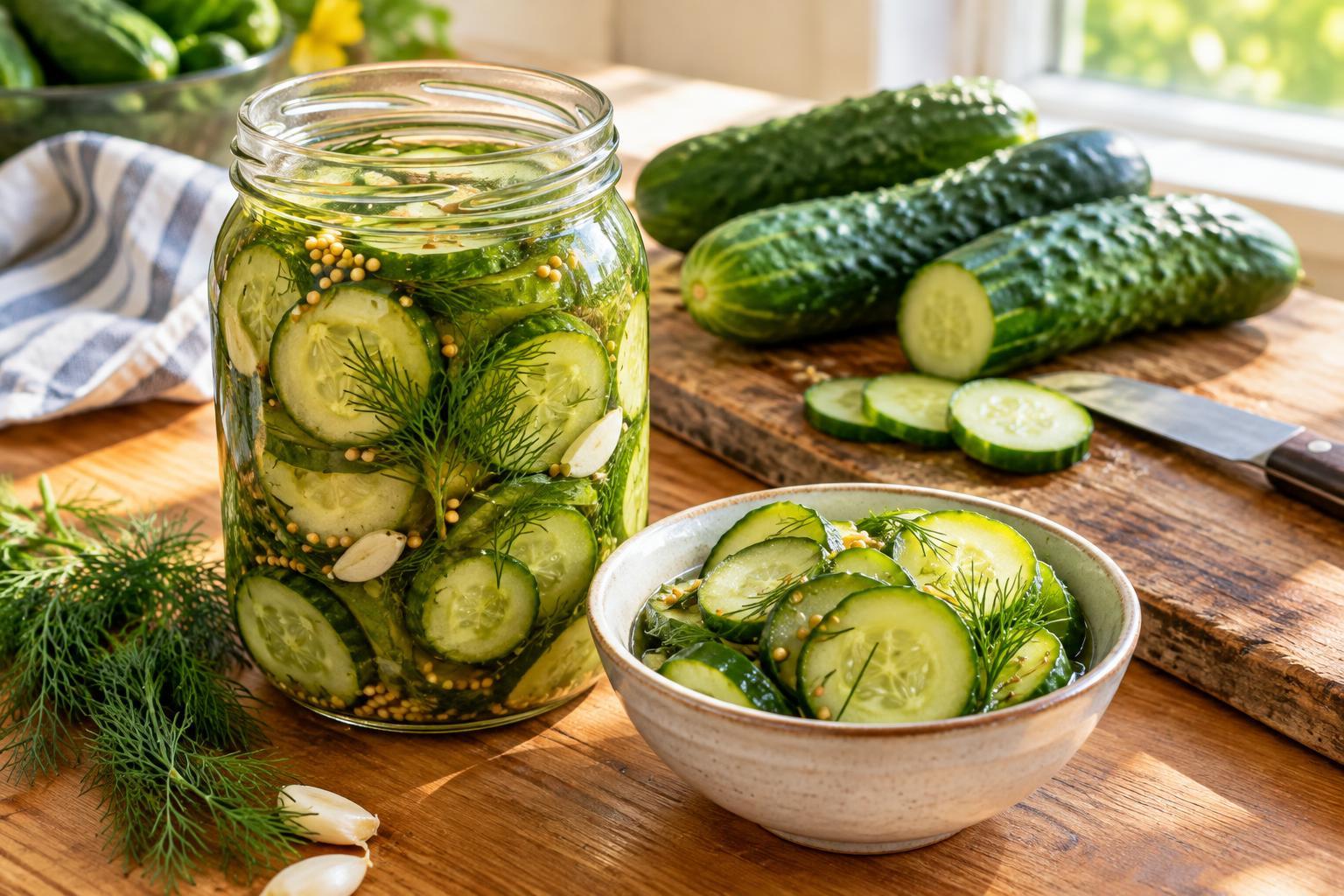
For one batch, gather about 1 pound of cucumbers; 1 cup of plain white vinegar or apple cider vinegar labeled 5% acidity; 1 cup of water; 2 teaspoons of fine salt; and 1 to 2 tablespoons of sugar. The sugar softens the sharpness of the vinegar but does not need to make the pickles sweet. For optional flavor, add a few sprigs of fresh dill, 1 lightly crushed garlic clove, 1 teaspoon of mustard seeds or a few black peppercorns. You will also need a clean, lidded quart-size jar or another nonreactive container large enough to hold the cucumbers and brine.
Pack the sliced cucumbers into the container with any optional seasonings. In a small saucepan, combine the vinegar, water, salt and sugar. Warm the mixture just enough to dissolve the salt and sugar, stirring as needed; it does not need a long boil. Let the brine cool, then pour it over the cucumbers. Gently press the slices down so they are covered, add the lid and place the container in the refrigerator.
Thin slices will begin to taste pickled after a few hours, but a rest of about a day gives the flavors more time to settle. Spears may need longer. Use a clean utensil to remove what you need, keep the remaining cucumbers refrigerated at 40°F (4°C) or below, and aim to eat them within one week. This is a refrigerator recipe, not a shelf-stable preserve: do not store the jar in a pantry or treat it as a substitute for a tested canning recipe.
Adjust the flavor without losing the simplicity
Once you have tried the basic batch, change one seasoning at a time to find your favorite version. Dill and garlic make a familiar savory pickle. Mustard seeds bring gentle warmth, while peppercorns add a little bite. For heat, tuck in a few thin slices of fresh chile. If you prefer a sweeter pickle, start at the higher end of the suggested sugar range and adjust the next batch rather than trying to change a jar that is already packed.
The ratio of vinegar to water is worth keeping consistent when you experiment with seasonings. Different vinegars also bring different flavors: white vinegar makes a clean, sharp pickle, while apple cider vinegar adds a fruitier note. Use vinegar labeled 5% acidity for this recipe. If the finished pickles seem too strong, try them alongside rich or savory food before changing the brine; their brightness is part of what makes them useful at the table.
How to serve them and use the leftovers
Quick-pickled cucumbers are at home beside a sandwich, tucked into a grain bowl or scattered over a plate of grilled vegetables. They can brighten a simple lunch of beans and rice, and a few slices make a crisp contrast to creamy spreads. Drain the amount you plan to serve so the brine does not soak the rest of the dish.
When the cucumbers are gone, resist the temptation to keep refilling the same jar indefinitely: fresh vegetables release water into the brine, changing its flavor and strength. Make a new batch with fresh brine instead. With a clean container and a few minutes of preparation, this recipe can become an easy way to make good use of the cucumbers you find on your next market visit.