Start with the name, not a guess
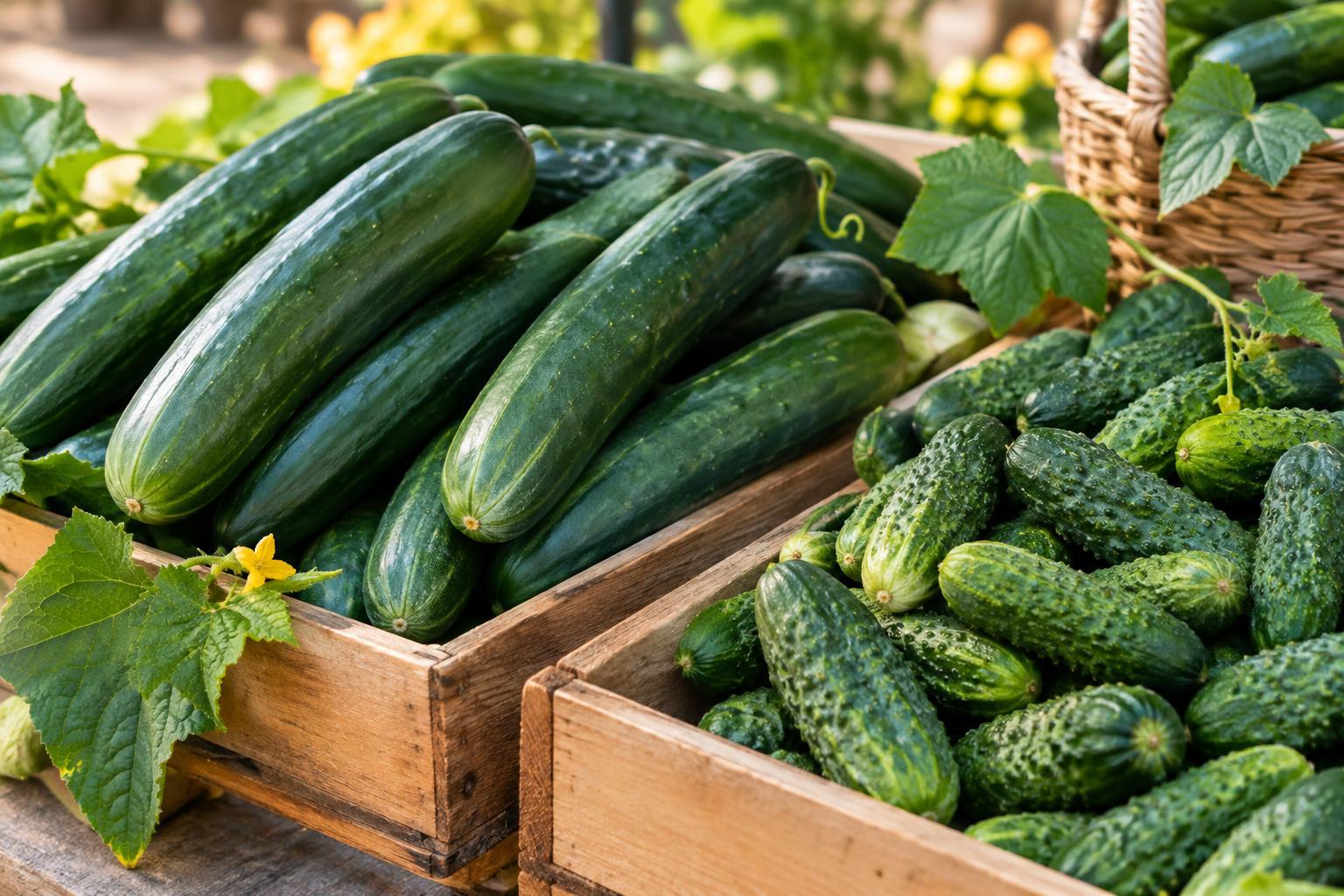
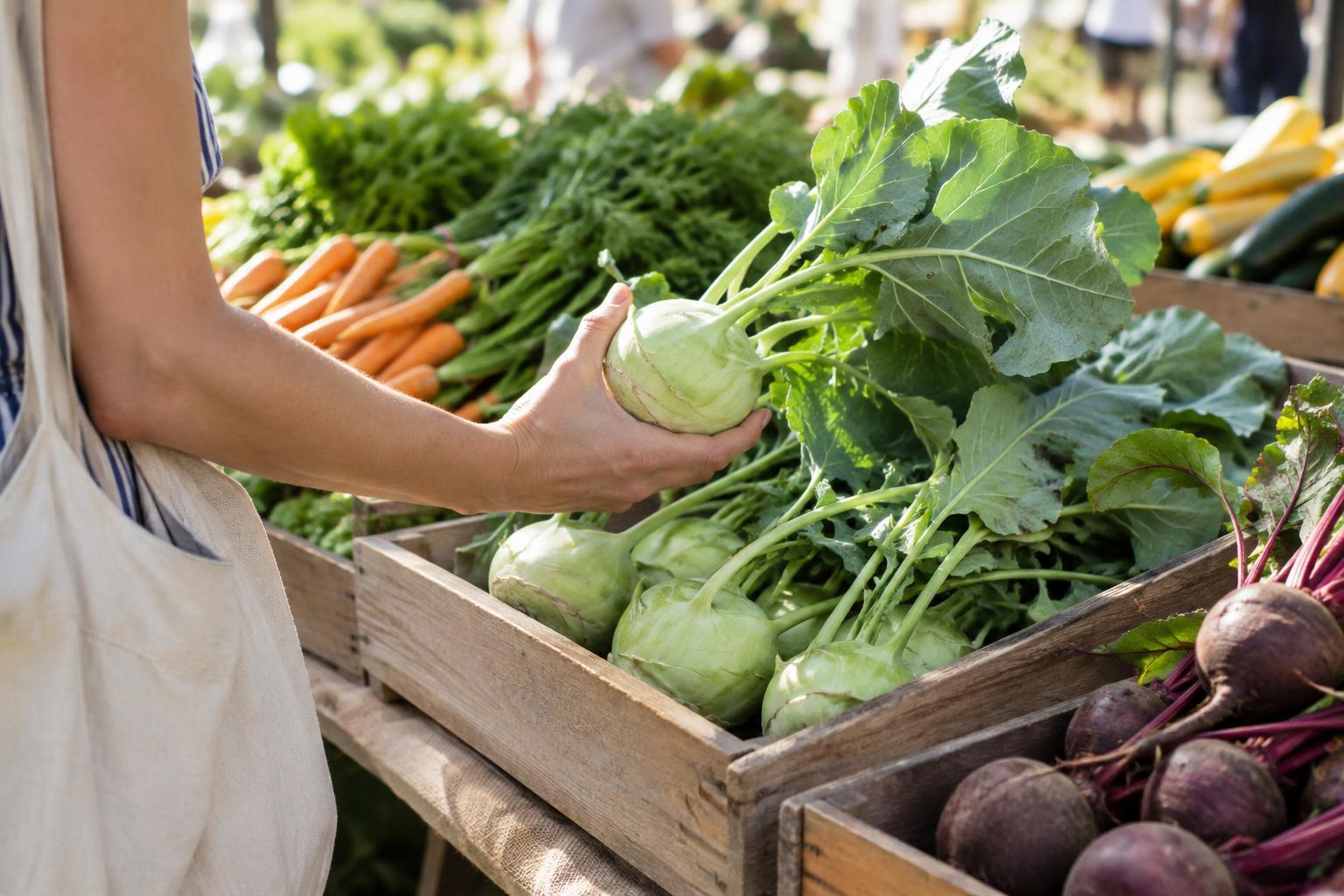
A market stall may have a vegetable you have never cooked, or one you know under a different name. Before deciding what to buy, read the sign and ask the vendor what they call it. If several vegetables look similar, point to the exact one you mean. Names can vary by variety and household, so a description of its flavor and texture may be more helpful than a name alone.
Ask which parts people typically eat. A leafy bunch may have usable stems; a squash may be cooked with its skin on or peeled, depending on the type and the cook's preference. Find out whether the item is commonly eaten raw, cooked, or both. These questions give you a starting point without asking the vendor to provide an entire recipe while other shoppers wait.
Ask questions you can use tonight
The most useful cooking question is specific: “What is a simple way to prepare this?” A vendor might suggest sautéing, roasting, simmering, or adding the vegetable near the end of a dish. Follow up by asking whether it needs much cooking and whether its flavor is mild, bitter, sweet, or peppery. That helps you picture it alongside ingredients you already have.
If you are choosing between two unfamiliar items, ask how they differ in the pan or on the plate. One might hold its shape in a stew while another softens quickly. If the vendor has not cooked a particular item, they may not know; there is no need to press for an answer. You can still choose something that fits a familiar method, such as a vegetable you can roast or add to a soup.
Keep any dietary or allergy needs separate from assumptions about an item's appearance. If a prepared product or mixed bundle is involved, ask what it contains. For an ingredient you cannot confidently identify or use, it is reasonable to wait until you can learn more rather than buy it on impulse.
Buy a trial amount with a purpose
An unfamiliar vegetable is easier to enjoy when you buy enough for one experiment, not several days of experiments. For loose produce, choose a small quantity that suits one meal. For a fixed-size bunch or basket, think through how much of it you can reasonably cook before it loses its appeal. The goal is to leave room for curiosity without turning the purchase into an obligation.
Give the vegetable a job before you pay: a side dish, a topping, an addition to a familiar soup, or the main ingredient in a simple sauté. You do not need a precise recipe. Decide which familiar ingredients might go with it and whether you have the basic equipment to prepare it. If you are heading home with other perishables, consider whether this new item needs to be cooked promptly or can wait until your next planned meal.
Ask the price and unit if they are unclear. A bunch, bag, and pound are different commitments, especially when you are not yet sure how much trimming an item needs. If a smaller portion is not offered, you can pass this time or share a purchase with someone who wants to try it too.
Keep the first preparation simple
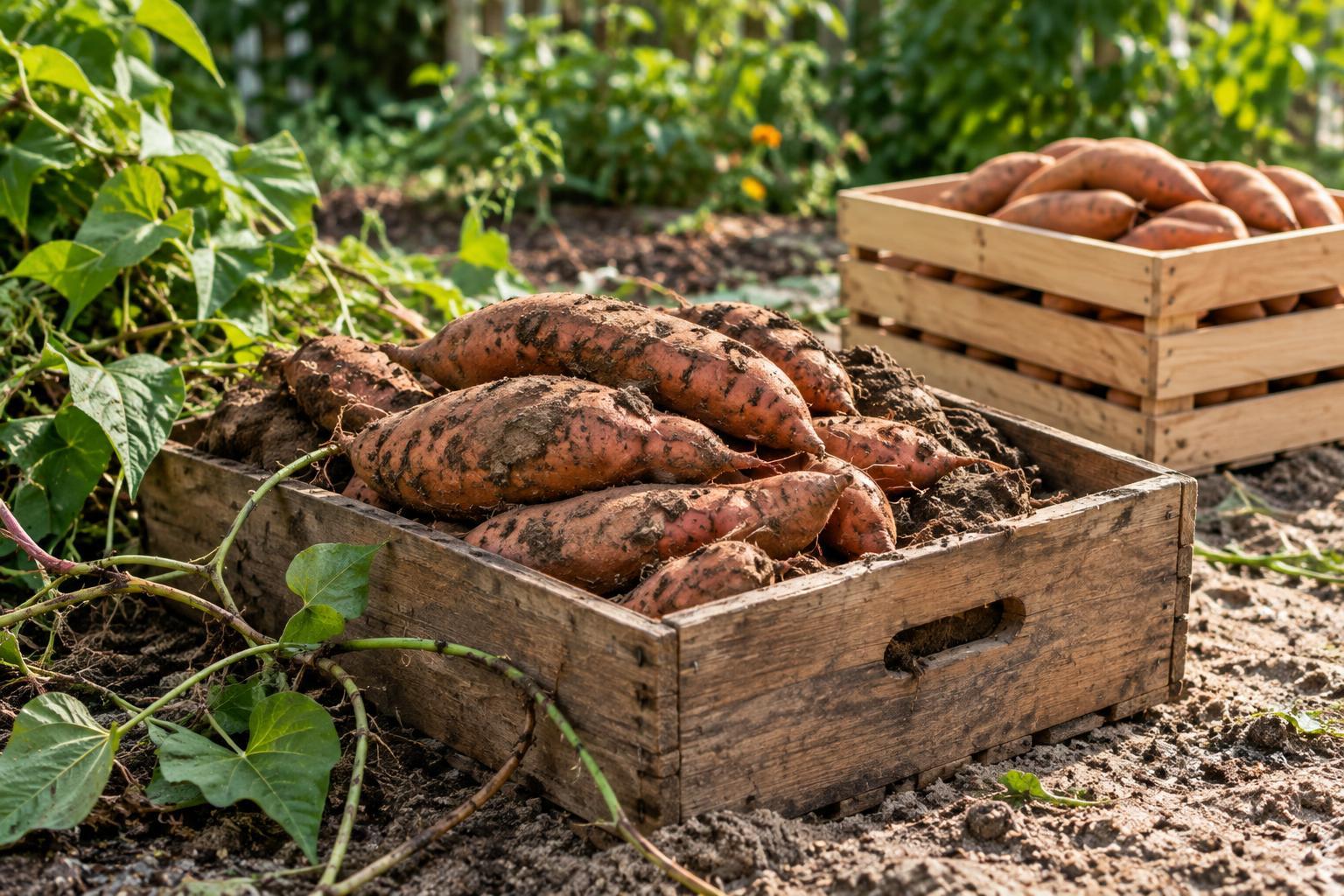
Once home, write down the name if you are likely to forget it. Keep the vegetable separate from produce that could crush it, and store it in a way that suits the item rather than assuming every new purchase belongs in the refrigerator. If the vendor offered storage guidance, use it as a starting point. Wash and prepare produce appropriately before eating it.
For the first meal, let the vegetable be recognizable. A straightforward preparation makes it easier to learn its texture and flavor than a heavily seasoned dish with many new ingredients. Taste as you cook and adjust the seasoning or cooking time to your preference. If only part of the purchase goes into dinner, make a plan for the remainder before putting it away.
You may find a new favorite, or you may decide that particular vegetable is not for you. Either result makes the next market visit easier: you will know what to ask, how much to buy, and whether to try it again.