Start with the item and the unit
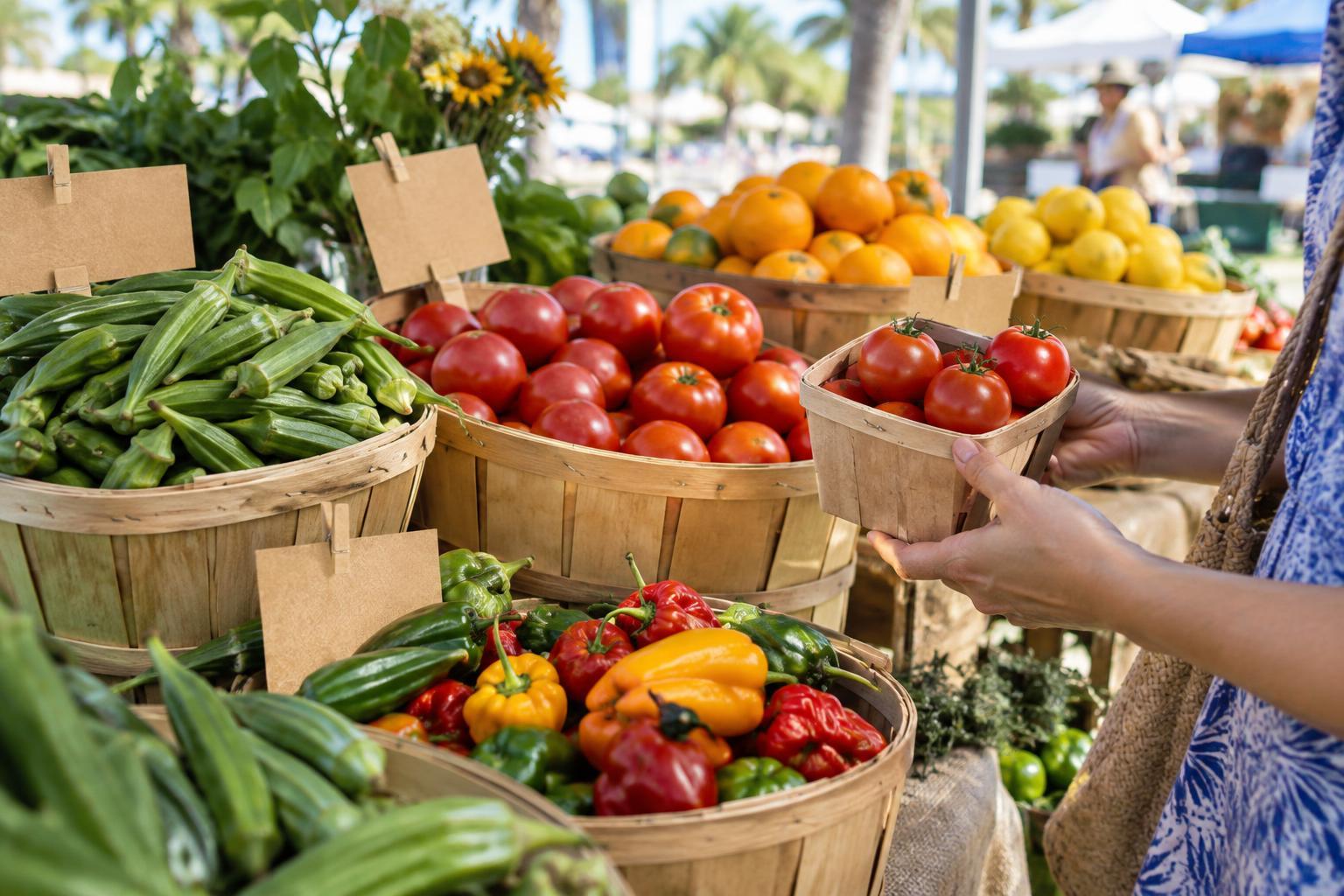
A handwritten sign may look simple, but its price only makes sense when you know what the price covers. “$4” might mean one bunch, one container, one pound, or one piece. Before comparing two stalls, read the words beside the number. If the unit is missing, ask the vendor what you will receive for that price.
Common units include “each,” “per pound,” “per bunch,” and “per basket.” A bunch of greens is sold as a group rather than by weight, and bunch sizes can vary. Containers deserve a second look, too: two baskets with similar shapes may hold different amounts. If a stall offers both loose produce and prepacked bags, check whether the sign refers to the loose item, the bag, or both.
For produce sold by weight, the final total depends on what the selected items weigh. A large squash may cost more than a small one even though the per-pound price is the same. If you have a spending limit, tell the vendor before they weigh your selection; they can often help you choose an amount that fits.
Compare prices without losing sight of value
A fair comparison uses the same unit. Divide the cost of a package by its stated weight if you want an approximate per-pound price, or compare two similarly sized bunches side by side. “Three for $10” is a different offer from “$4 each”; check whether the discount applies only when you buy three. Mixed-item deals may have conditions, so ask whether you can combine varieties before filling a bag.
Price is not the only useful detail. A small bunch of tender herbs may suit tonight’s meal better than a larger bunch you cannot finish. Slightly blemished fruit may be a good choice for cooking, while firm, unbruised fruit may be preferable if you need it to keep. Shopping for the portion you will use can be more helpful than choosing the lowest price per unit.
In Florida’s warm weather, consider your trip home as part of the purchase. If delicate greens or ripe tomatoes will sit in a hot car, buy them near the end of your visit when possible. A bargain is less useful if the food deteriorates before you can enjoy it.
Decode descriptions and variety names
Signs often name a specific variety rather than a broad category: a particular tomato, pepper, citrus fruit, or leafy green. Variety names can hint at differences in size, flavor, texture, or cooking use, but the name alone will not tell you everything about that harvest. If you are choosing between unfamiliar options, ask which is best for the dish you have in mind.
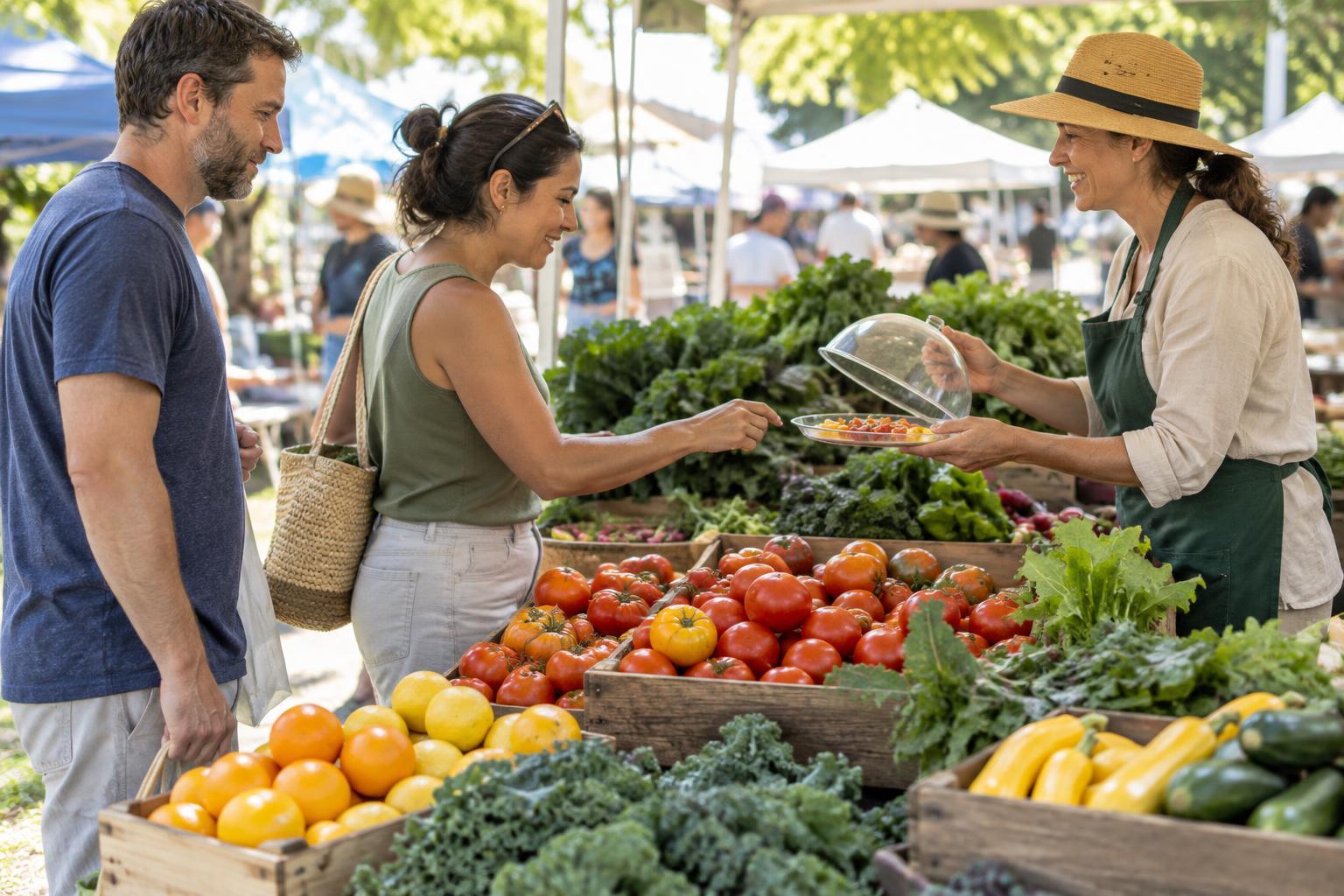
Descriptions such as “sweet,” “spicy,” or “good for frying” are useful starting points, not guarantees. Sweetness and heat can vary from item to item. Similarly, “ripe” may mean ready to eat soon, while “firm” may be better for a recipe that needs the ingredient to hold its shape. Ask whether a sample is available rather than assuming one will be offered.
A sign might also say “local,” “farm-grown,” or “organic.” These terms convey different information, and a short sign may not explain what the vendor means by them. If a growing practice or place of origin matters to you, ask a specific, courteous question, such as where the item was grown or whether the stall grew it. Avoid inferring details the sign does not state.
Read packaged-food signs closely
Market stalls may also sell bread, jam, pickles, sauces, and other prepared foods. Look for the package size and the full product name: a small jar and a large jar of the same preserve are not directly comparable by sticker price. Flavor labels can matter as much as price, especially when a familiar ingredient is paired with chile, herbs, or another strong addition.
If you need to avoid an ingredient, do not rely on the large display sign. Read the package label and ask the vendor about ingredients and handling if the information is unclear. Likewise, check any storage directions before buying something that must be kept cool. A market sign is an invitation to look more closely, not a substitute for the details on the product.
Ask a quick question when the sign leaves a gap
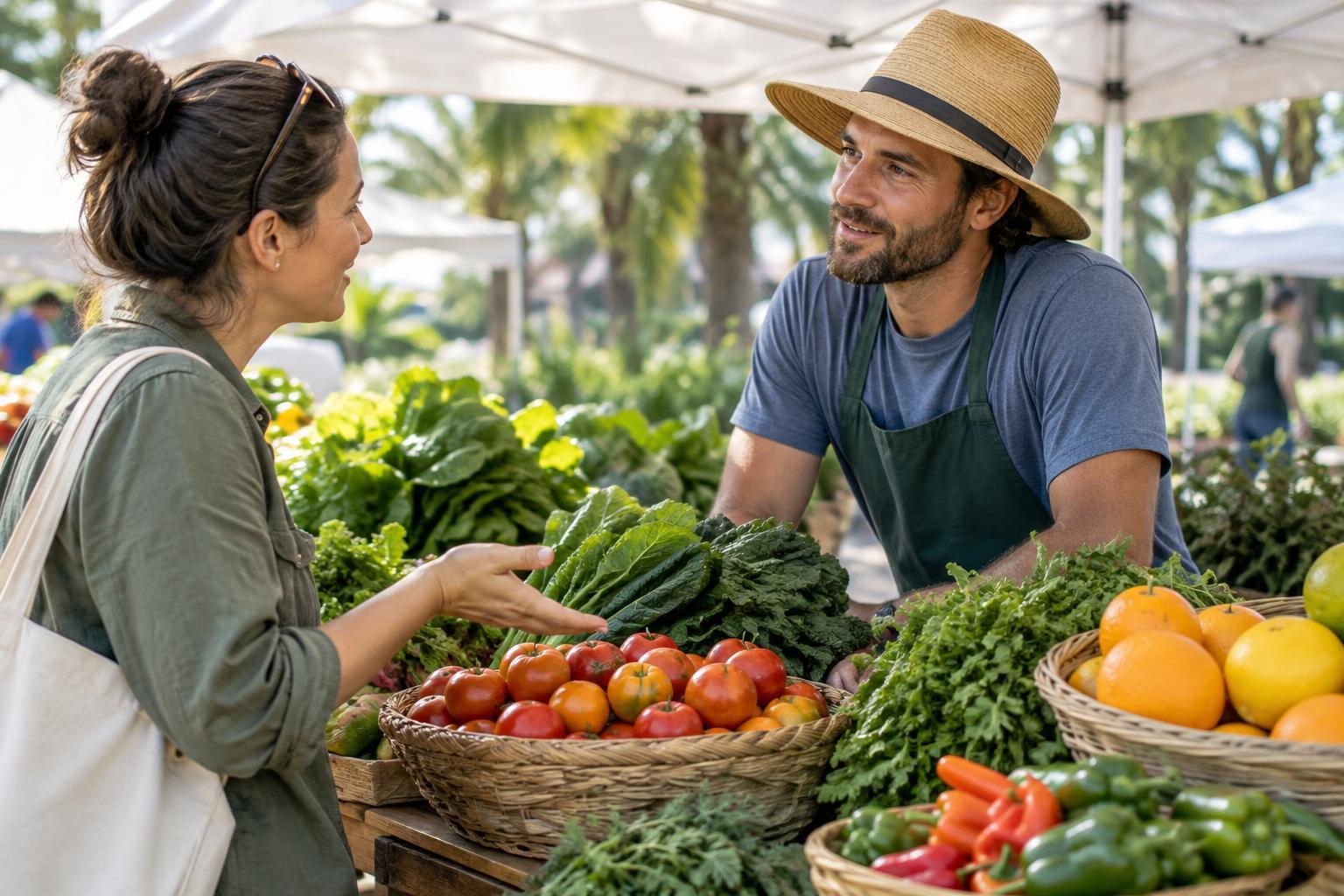
Good questions are short and concrete: “Is that price per pound or per basket?” “Can I mix colors for the bundle price?” “Which of these will be ready to eat tomorrow?” Vendors may be helping several shoppers at once, so wait for a pause and point to the item you mean. If a price or description has changed, asking also gives the vendor a chance to clarify the sign.
Before paying, confirm the quantity you picked and any deal you expect to receive. You do not need to decode every sign perfectly to shop well. Read the unit, check what is included, and ask about the details that affect your meal or budget. That simple habit makes a busy farmers market easier to navigate.