A food tradition shaped by migration
In St. Augustine, “Minorcan” refers to a community whose roots include people from Menorca and other Mediterranean places. During Florida’s British period, laborers were brought to the New Smyrna settlement. Some later made their way to St. Augustine, where their descendants helped shape the city’s culture. The food associated with that history is not a preserved menu from one island. It is a living local tradition, adapted over generations to Florida’s ingredients and to the tastes of individual households.
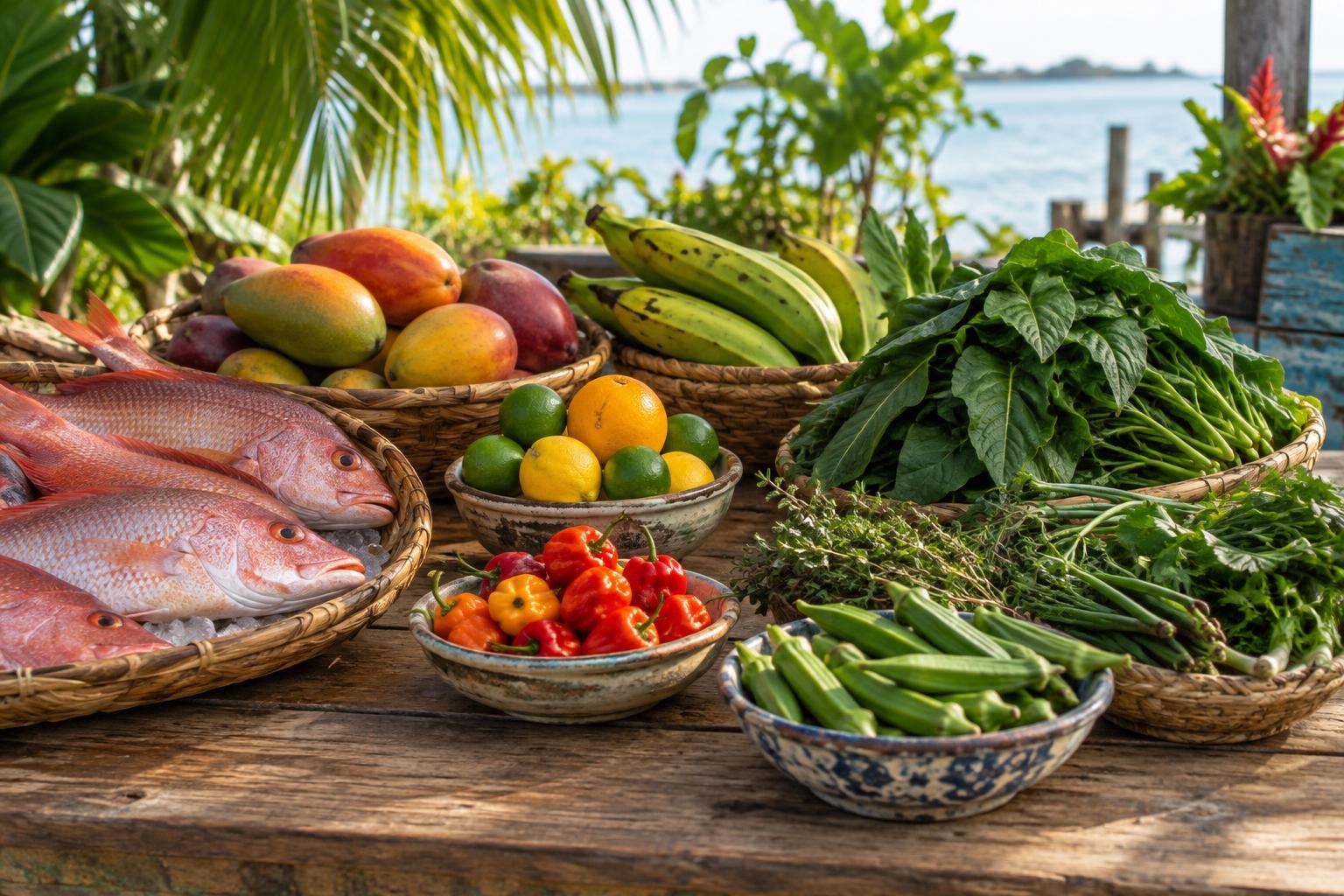
Seafood, rice, tomatoes and peppers appear often in descriptions of Minorcan cooking, but no single recipe speaks for every family. That variation is part of the story. A dish may be passed down through a household, adjusted to the day’s catch or remembered by the way a relative made it. Looking for those connections is more useful than trying to define one definitive Minorcan plate.
Why the datil pepper matters
The datil pepper is strongly associated with St. Augustine cooking, especially with sauces and seafood dishes. It is a small, hot pepper that can bring a fruity sweetness along with its heat. Its precise path to the region is not settled, so it is best to avoid a simple claim that one group brought it from one place. What is clear in local food culture is the pepper’s lasting role as an ingredient people grow, preserve and use to give familiar dishes a distinctive flavor.
Datil peppers often become sauce: cooked or blended with ingredients such as vinegar, tomato and something sweet, with the balance changing from kitchen to kitchen. A spoonful can sharpen a bowl of chowder or add warmth to fish. Because both the peppers and prepared sauces can vary in intensity, taste a little before adding more. The goal is not necessarily to make a dish as hot as possible; it is to let the pepper’s flavor remain noticeable.
Chowder, pilau and the family table
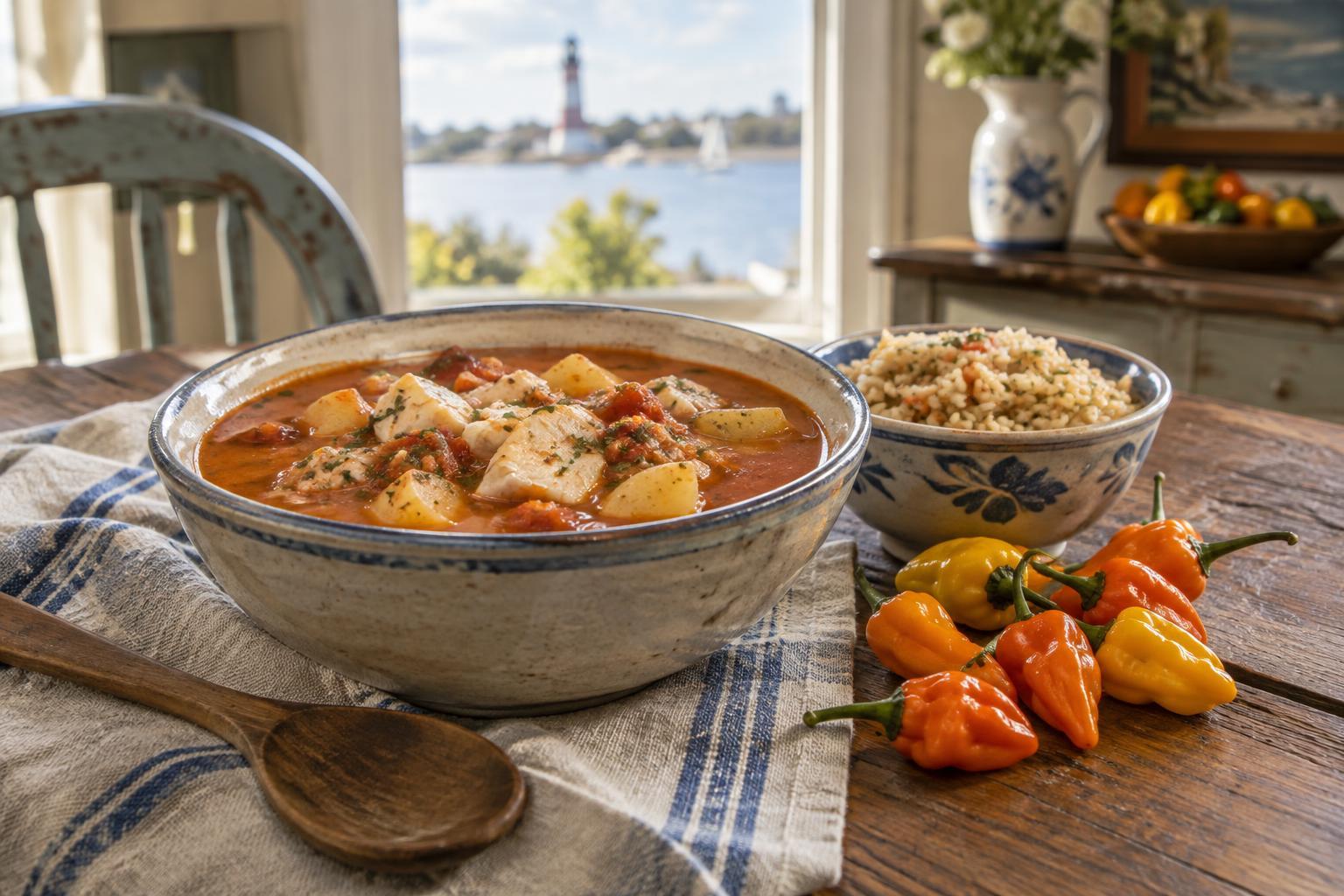
Minorcan clam chowder is one of the best-known dishes linked to St. Augustine. It is generally described as a tomato-based chowder with datil pepper heat rather than a cream-based chowder. Clams, tomatoes and a savory broth make a practical foundation, while the amount of pepper is a matter of preference. Some cooks want a clear, lively bite; others build a gentler warmth that develops as the bowl is eaten.
Rice dishes also have a place in the region’s home cooking. A pilau, sometimes pronounced “perloo,” can bring rice together with seafood, meat or vegetables in one pot. Its flexibility helps explain why family versions differ: the cook works with what is available and seasons the pot to suit the people eating it. Neither chowder nor pilau needs to be treated as a rigid formula to be meaningful. Repeated preparation, shared meals and family memory give these dishes much of their cultural weight.
Cooking with datils without losing the dish
If you find fresh datils, start by handling them as you would other hot peppers. Wash them, use a small amount at first and avoid touching your eyes after cutting them. Removing the inner ribs and seeds may soften the heat, though the result will depend on the pepper. For a simple introduction, finely mince a little datil into a tomato-based seafood stew, then allow time for the flavor to spread before tasting again.
A datil sauce is another approachable option. Add a small amount to a finished bowl rather than the whole pot, so each person can choose their own level of heat. That is especially helpful when a meal includes people who enjoy different amounts of spice. A purchased sauce may be sweeter, tangier or hotter than a homemade one; taste it on its own before using it as a seasoning. If datils are unavailable, another hot pepper can make a good meal, but it will not give exactly the same flavor.
How to explore the tradition thoughtfully
At a produce market, ask growers what they know about the peppers they sell and how they like to use them. You might find fresh peppers, plants or locally made sauces, depending on the seller and the time of year. If you plan to grow datils at home, give the plants warmth, sun and well-draining soil, and check their needs against your own growing conditions.
St. Augustine’s Minorcan food culture is worth exploring beyond a single ingredient. A bowl of chowder or a bottle of sauce can open a conversation about migration, adaptation and the way recipes change within families. When someone shares a family version, listen for what makes it theirs rather than measuring it against an imagined original. The datil pepper is a vivid thread in this tradition, but the people who keep cooking with it are the heart of the story.