Look past the shape
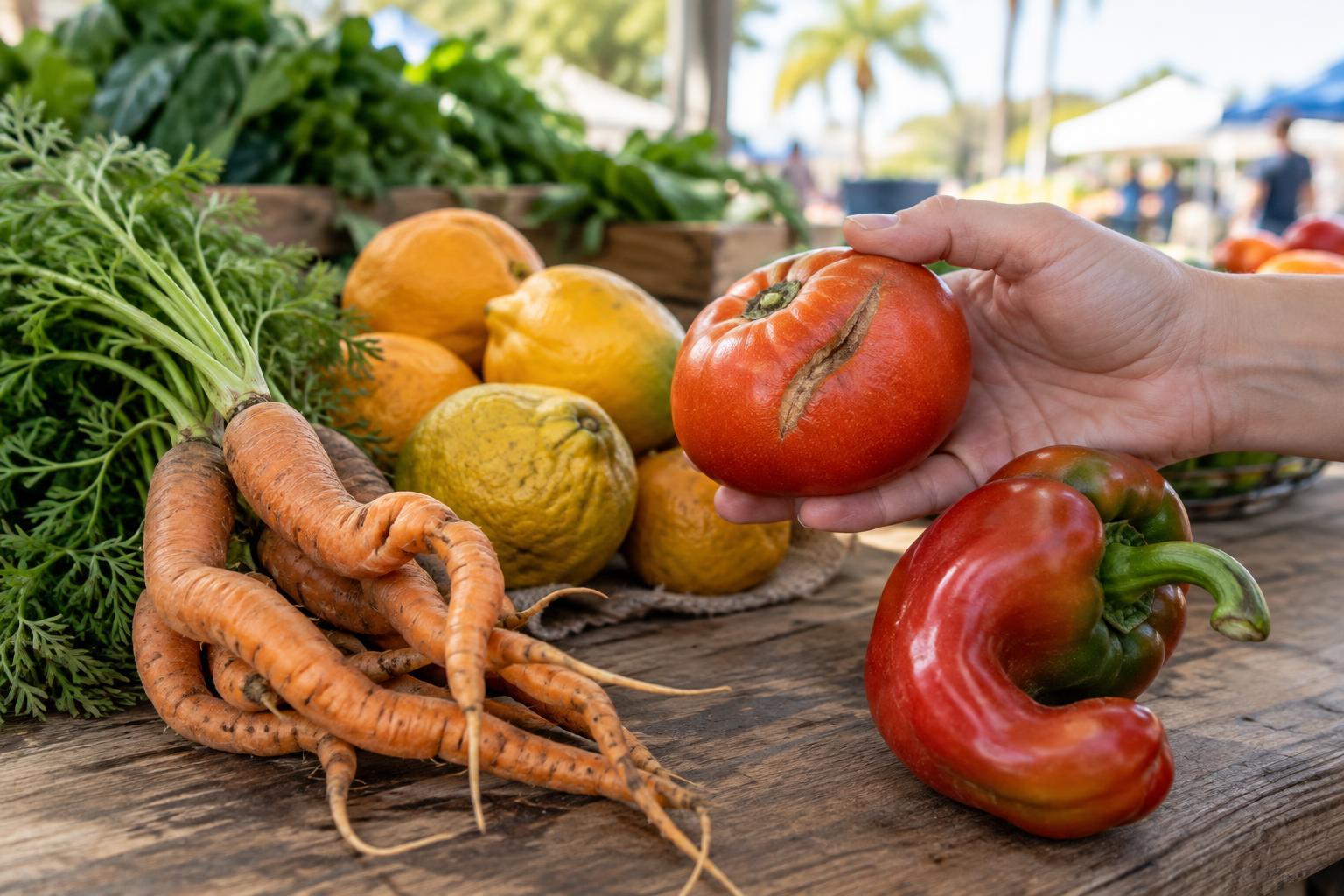
A forked carrot, lopsided pepper or tomato with a pale scar may look out of place in a tidy display, but appearance alone tells you little about flavor. Plants grow around obstacles, respond to weather and develop marks while their fruit is still growing. At a Florida market, as anywhere else, the useful question is not “Is it pretty?” but “Is the part I plan to eat sound?”
Cosmetic flaws usually leave the skin intact and the produce firm for its type. Examples include an oddly shaped cucumber, superficial scarring on a squash or small dry blemishes on a citrus peel. These items can be especially appealing when you plan to chop, peel, roast or blend them. Don’t assume they will cost less, though. Compare the price with unblemished produce and buy them because they suit your plans, not because “imperfect” automatically means a bargain.
Know the difference between a mark and damage
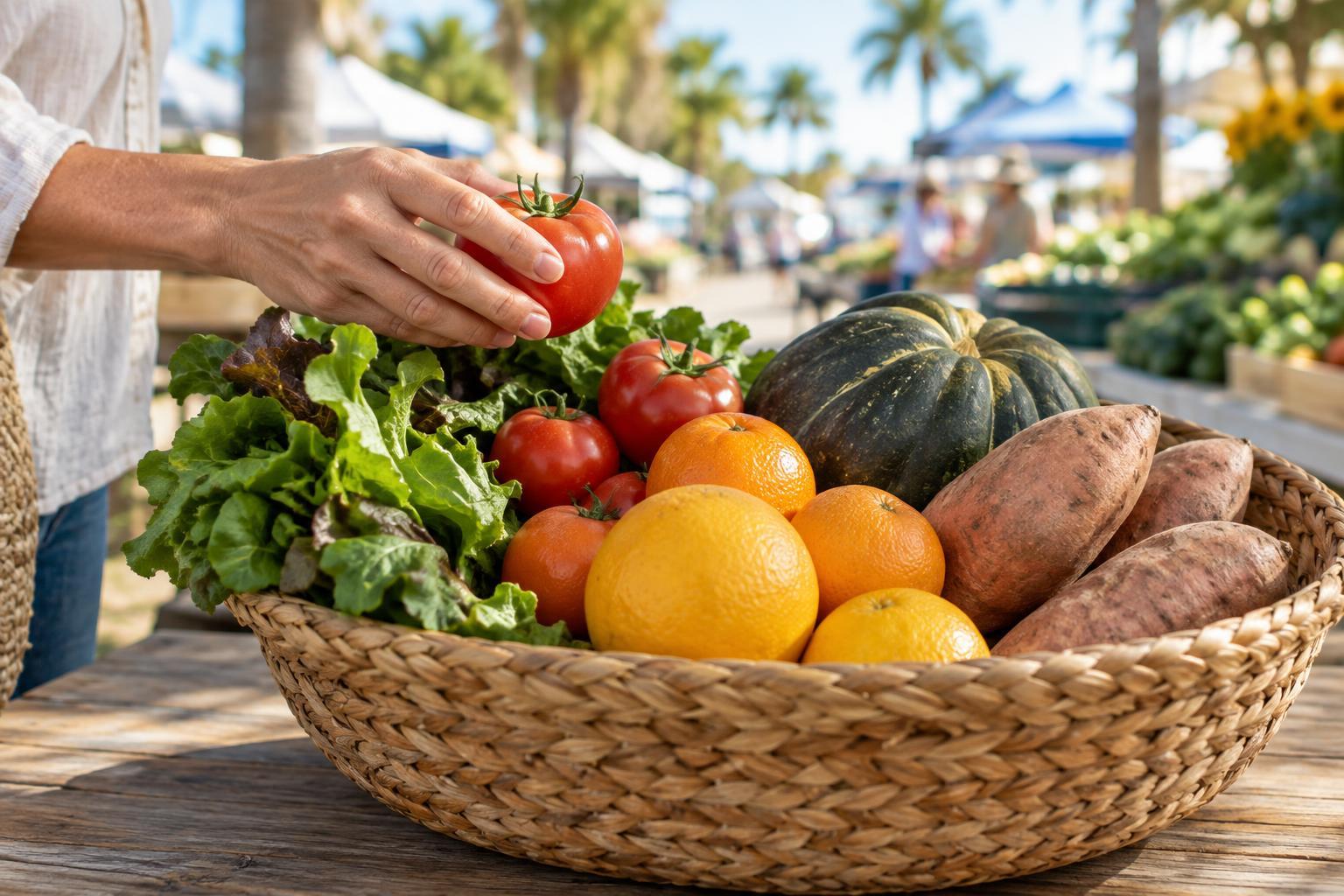
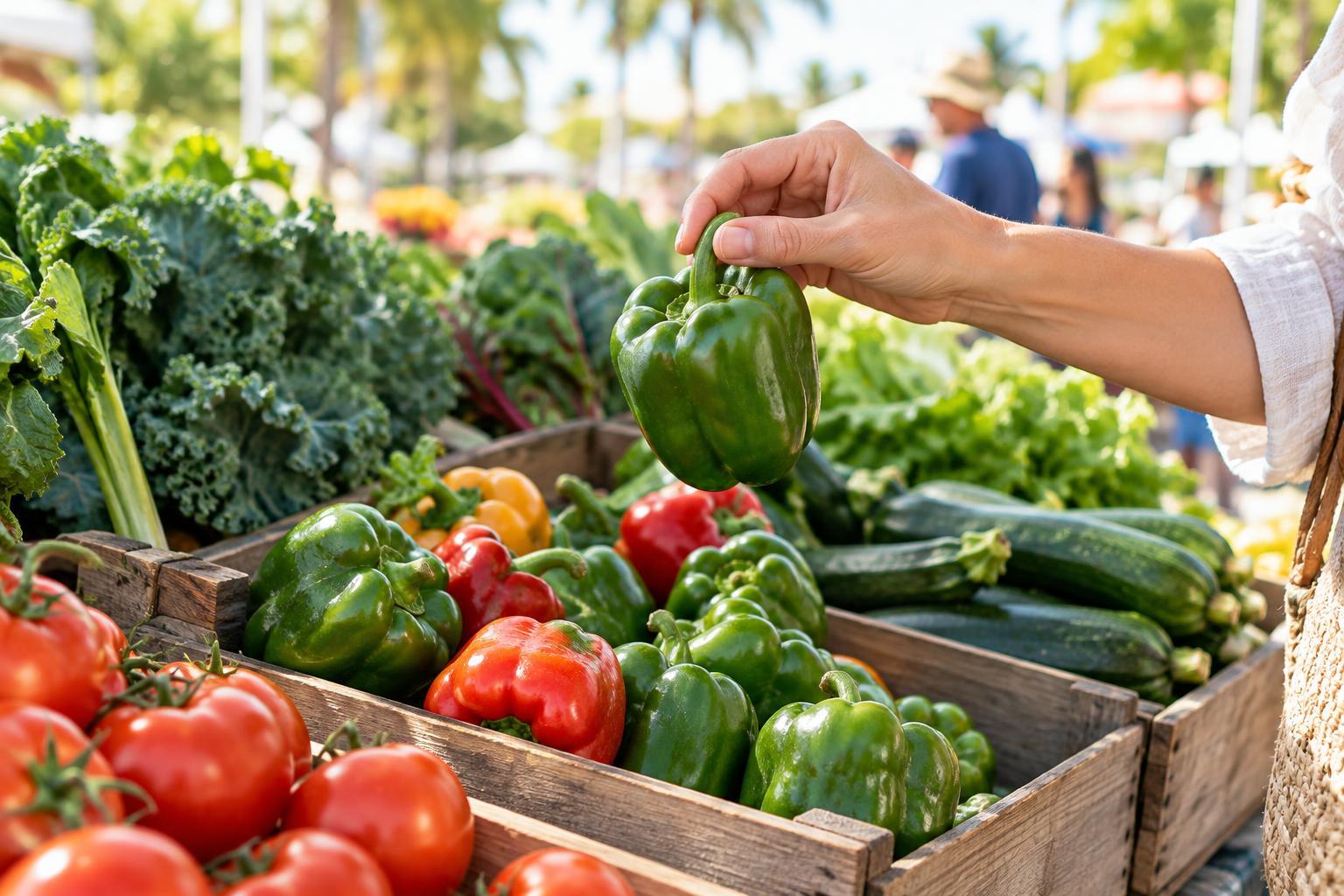
Use your eyes, hands and nose before buying. A surface mark that is dry and stable is different from a wet spot, a leaking puncture or a patch that gives way under gentle pressure. Choose produce that feels appropriately firm, without widespread soft areas or an unpleasant smell. Check the underside of a tomato and the bottom of a container of berries, where damage can be easy to miss.
Bruises require a little judgment. A small bruise on an apple or peach may be manageable if the fruit is otherwise sound and you will use it promptly; trim the bruised area and inspect what remains. Bruising on very delicate fruit can spread quickly, making a whole container a poor buy if several pieces are already soft. Pass on produce with visible mold, slimy areas, deep cracks, active leaks or signs of decay. A discount is not worthwhile if much of the purchase will end up in the compost.
Match the purchase to your plans
Before choosing a blemished item, decide when and how you will use it. A firm but misshapen eggplant can wait for a recipe just as a symmetrical one would. A ripe tomato with a minor bruise is a better candidate for tonight’s sauce than for a sandwich later in the week. Slightly marked citrus may be useful when you want juice, provided the fruit feels sound and has no signs of spoilage.
Buy only the amount you can realistically prepare. A generous bag of discounted fruit is no bargain if it ripens faster than you can eat it. If the seller has a separate seconds bin, ask what makes those items seconds and whether the price reflects their condition. Handle produce gently and follow the market’s sampling and handling practices; questions are welcome, but repeatedly squeezing delicate fruit can create the very blemishes you are trying to avoid.
Get blemished produce home in good shape
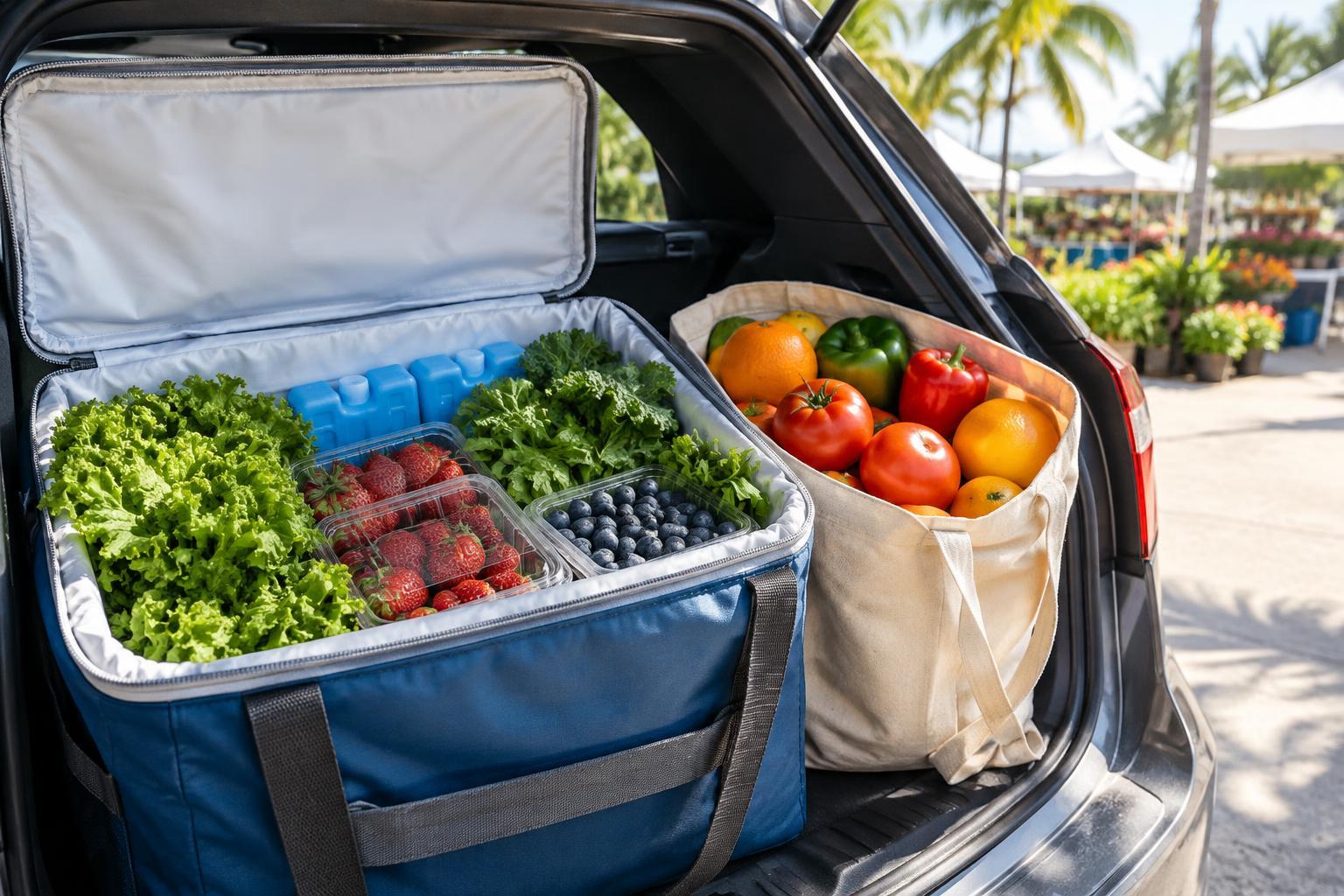
Keep fragile items near the top of your bag and separate them from heavy melons or root vegetables. On a warm market day, make produce one of your last stops if it would otherwise sit in a parked car. Once home, sort your purchases: set aside anything ripe or lightly bruised for early use, and keep sound items in the conditions appropriate for that crop.
Wait to wash most produce until you are ready to use it, since lingering moisture can encourage spoilage during storage. Then rinse it under running water, including produce you intend to peel, so dirt on the surface is less likely to reach the edible portion when you cut it. Clean hands, utensils and cutting boards matter too. Washing cannot turn spoiled produce into a good ingredient, so inspect it again before preparing it.
Let usefulness define the bargain
The best imperfect-produce purchase has a clear purpose. Crooked carrots can go into a pot of soup; a scarred pepper can be sliced for a sauté; ripe, sound fruit can become a quick compote. Shape disappears in many cooked dishes, while texture and freshness still matter. If you need crisp slices or fruit that must travel well, paying for a less damaged item may serve you better.
Think in terms of usable portions rather than the sticker price alone. A modest discount on produce you can eat almost entirely may be a good value. A deeper discount on items that need extensive trimming may not be. Shopping this way leaves room for the quirks of a harvest without lowering your standards for food you’ll enjoy eating.