Start with meals, not an empty basket
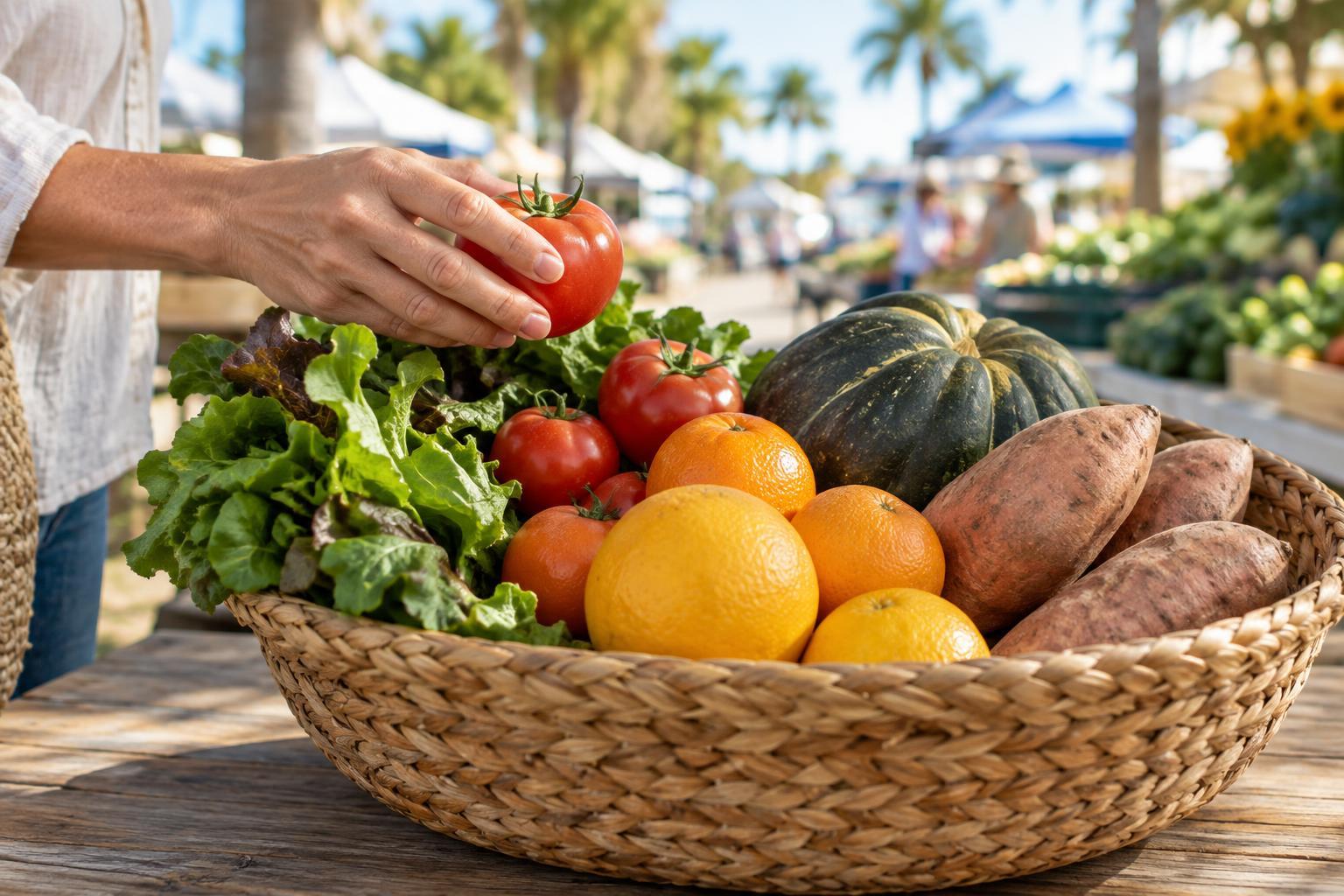
Before you shop, picture the next few days of eating. Which meals will you cook at home? How many people will eat them? Will you need produce for a main dish, a side, or a snack? A short list of meals gives every purchase a purpose while leaving room for a discovery at the stalls.
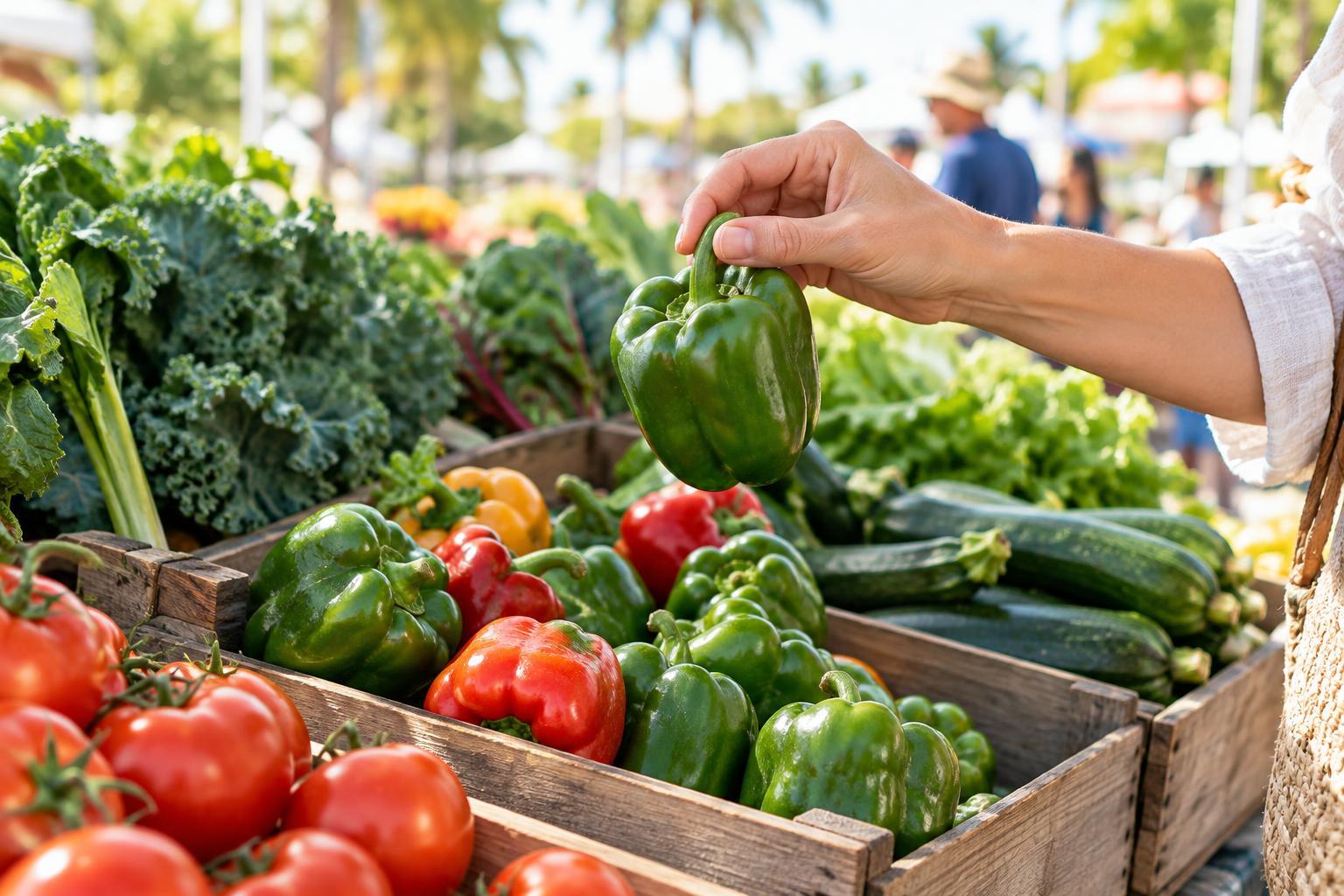
Be realistic about overlap. A bunch of greens might supply a side dish and a handful for sandwiches, but it may not stretch to two full dinners. On the other hand, buying separate ingredients for every recipe can leave you with half-used bunches. Look for flexible items you can use more than once: peppers for a skillet meal and a salad, or citrus for breakfast and a dressing.
Estimate portions in the form you will eat them
Count the portions you need, then consider how much trimming or cooking will change what you bought. A whole melon has a rind; corn has husks and cobs; a large bag of greens may shrink considerably in a pan. If produce is the centerpiece of a meal, plan more than you would for a garnish. If you are unsure, tell the vendor what you intend to make and ask roughly how many pieces or bunches might suit it.
Think in familiar kitchen measures rather than trying to calculate every purchase by weight. How many tomatoes do you usually slice for sandwiches? How many handfuls of berries does your household eat at breakfast? Your own habits are a better guide than an idealized menu. For an unfamiliar ingredient, buy a small amount the first time and learn from what remains.
Build a basket with different use-by priorities
Shelf life is not a fixed number. Ripeness, handling, temperature, and storage all affect how long produce stays appealing. Tender greens, ripe berries, and delicate herbs generally deserve an early spot in your meal plan. Firmer vegetables and less-ripe fruit may give you more flexibility, provided you store them appropriately. A balanced basket has something to eat soon and something to use later.
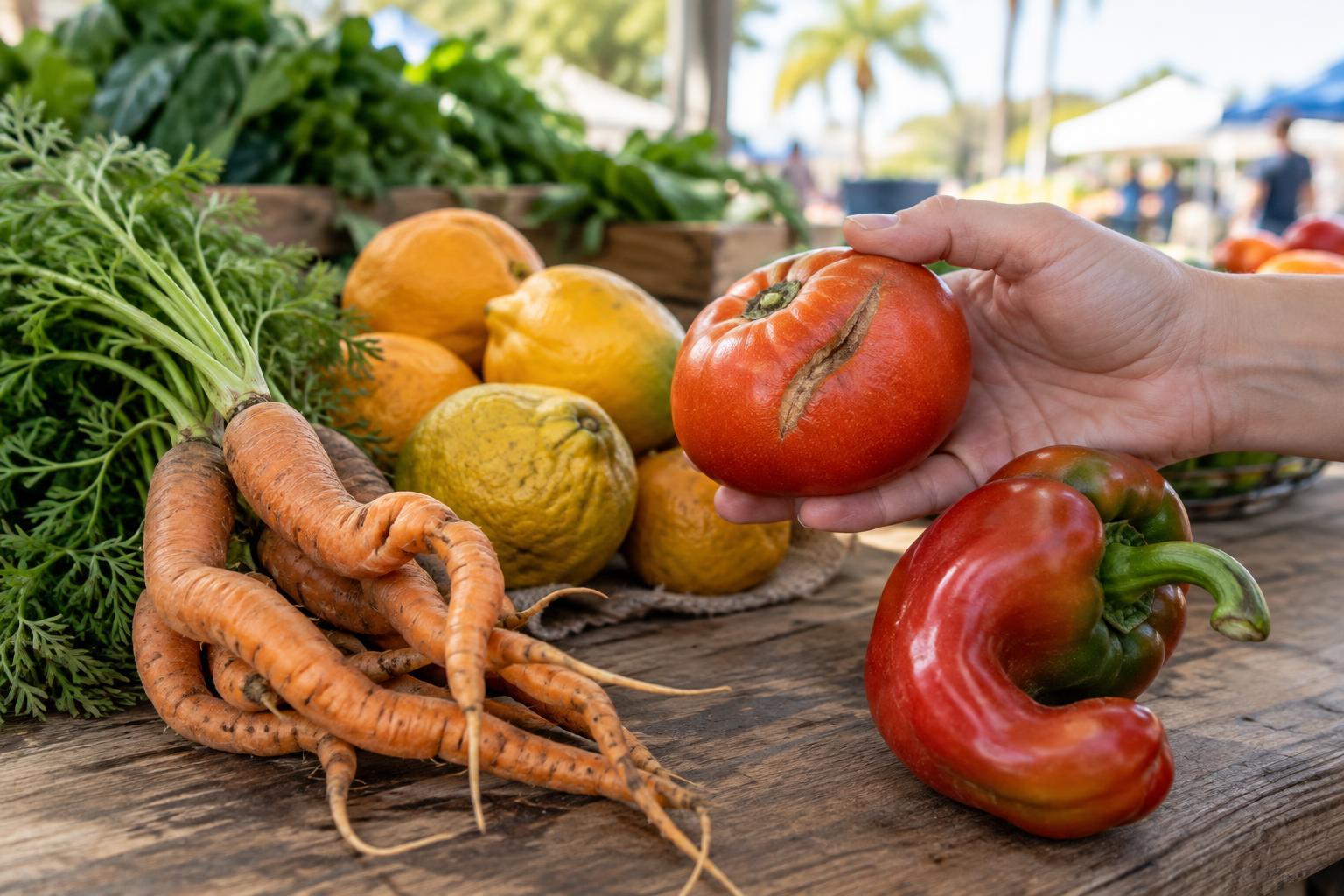
Check what you are buying before you commit to a large quantity. Look for damaged or wet spots, and ask whether fruit is ready to eat or still needs time to ripen. A ripe item can be perfect for tonight, while several equally ripe items may be too much for one household. If a vendor offers a larger bundle or box, compare its size with your actual plans rather than assuming the lower price per piece makes it the better buy.
Factor in the trip home and your storage space
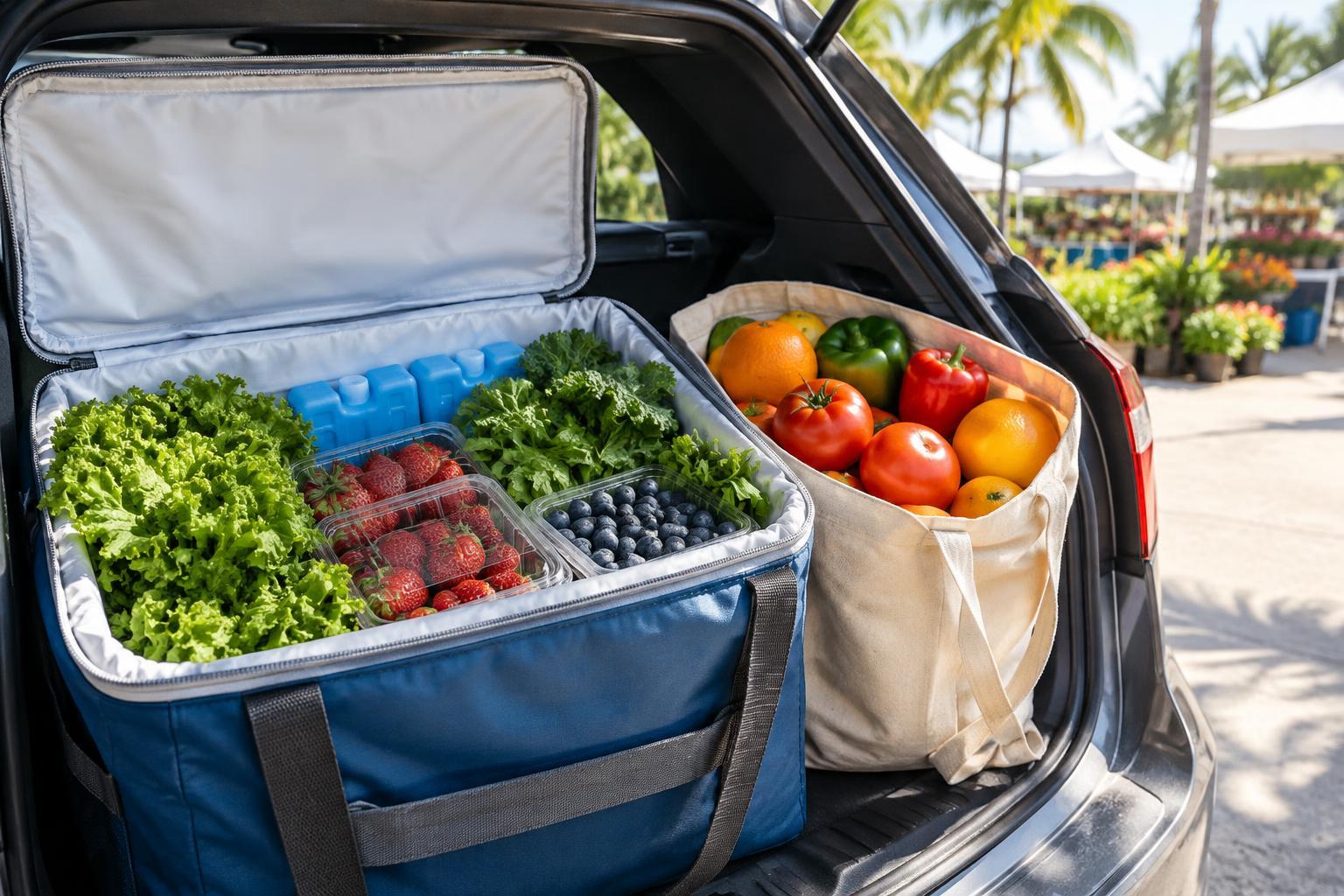
Florida market trips can involve a warm walk, a sunny parking lot, or more errands after checkout. Consider how long your produce will travel before you can put it away. Keep delicate items from being crushed, and bring an insulated bag or cooler if you expect a long, warm trip with items that need to stay cold. At home, follow appropriate storage practices for each item rather than putting the entire basket in one place.
Your refrigerator and counter have limits, too. Crowding delicate produce can bruise it or make it easy to forget. Before buying a large watermelon, several bunches of greens, or a flat of fruit, decide where it will go. If space is tight, choose smaller quantities or produce you can prepare promptly.
Make a quick plan before you pay
Pause with your basket and name a job for each item: dinner tonight, lunches tomorrow, a weekend dish, or a snack. Put the most delicate purchases first on that list. If two items compete for the same meal and neither has another purpose, consider choosing one. If you have room for something spontaneous, make it an amount you would be comfortable using in a single dish.
Once home, adjust the plan if something ripens faster than expected. Use tender produce early, move an ingredient into the next meal, or prepare it for later use when that makes sense. Over a few market visits, you will learn how much your household actually eats. That experience is the most useful measure to bring to checkout.