Start with the market, then check individual stalls
A farmers market may feel like one shop, but it often brings together independent sellers with different ways of taking payment. One stall might accept cards directly, while another prefers cash. A market information booth may also handle certain payments or program benefits separately from the vendors. Before leaving home, look for the market’s own payment information and, if you have a question, contact the organizer. Confirm the details again when you arrive, since equipment and participation can change.
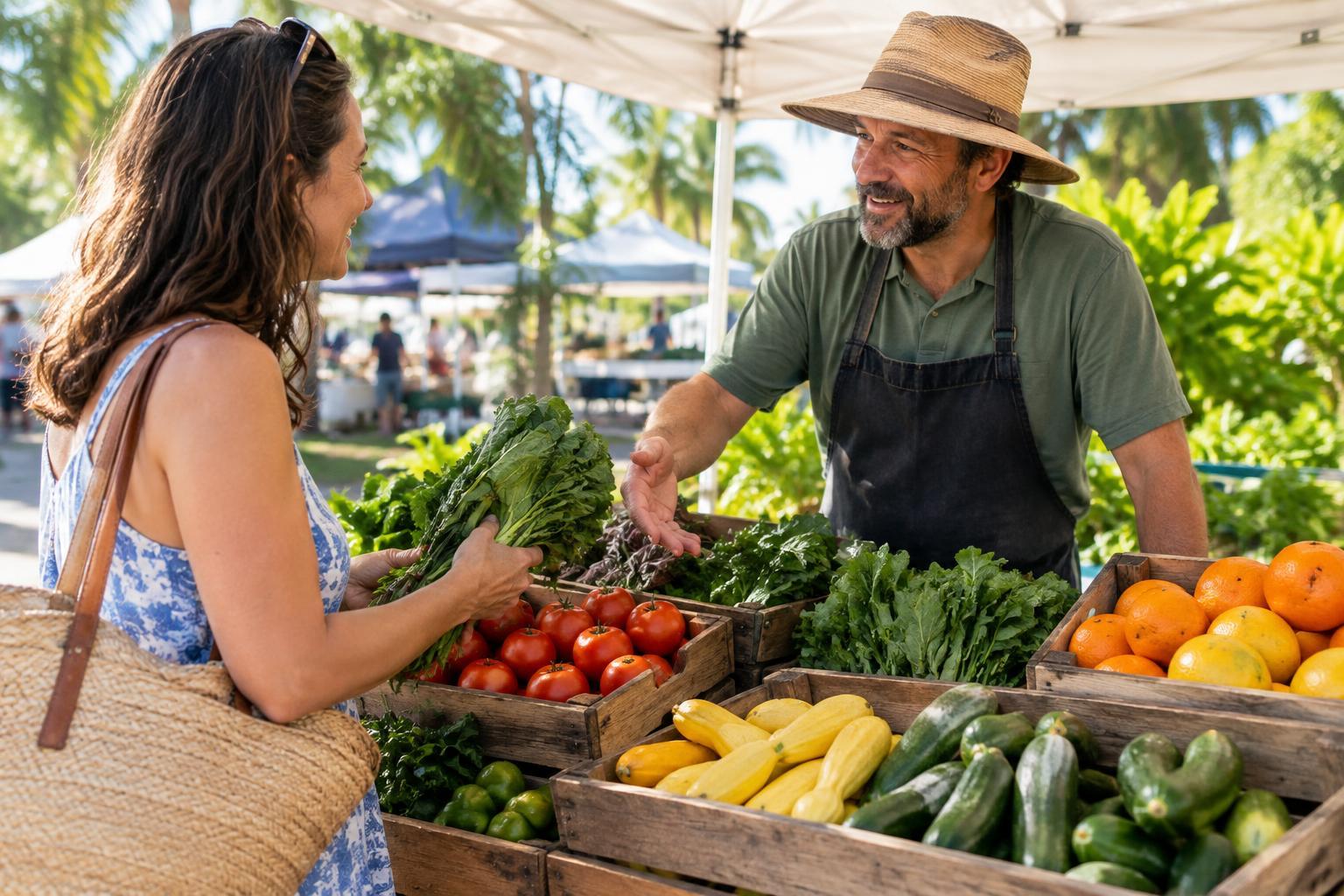
A useful question is more specific than “Do you take cards?” Ask whether every vendor takes them, whether there is a central payment booth, and whether you need to visit that booth before shopping. If you hope to buy from a particular grower or prepared-food seller, ask that vendor about payment when possible. Avoid assuming that a market-wide sign describes every stall.
Bring a flexible mix of cash and cards
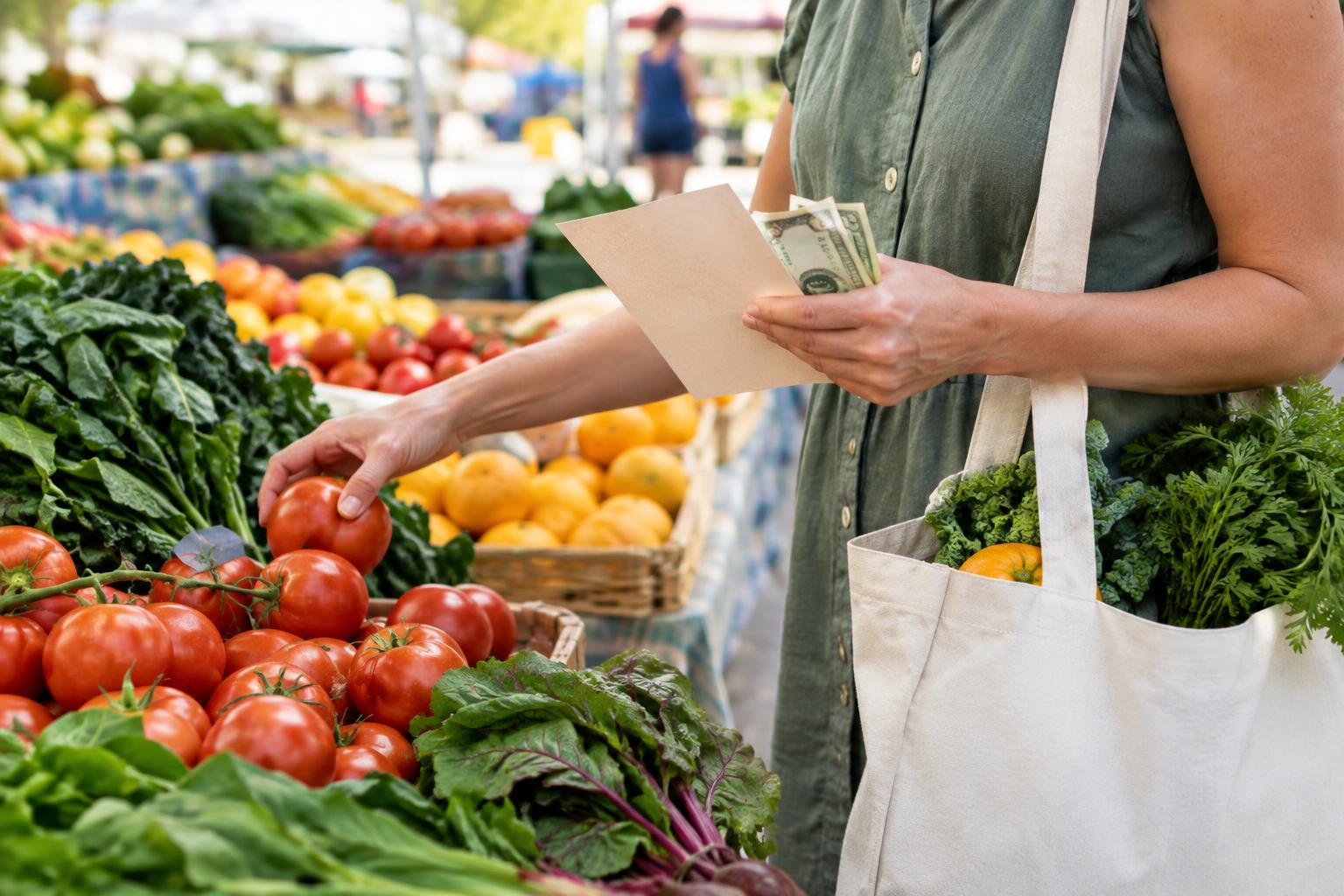
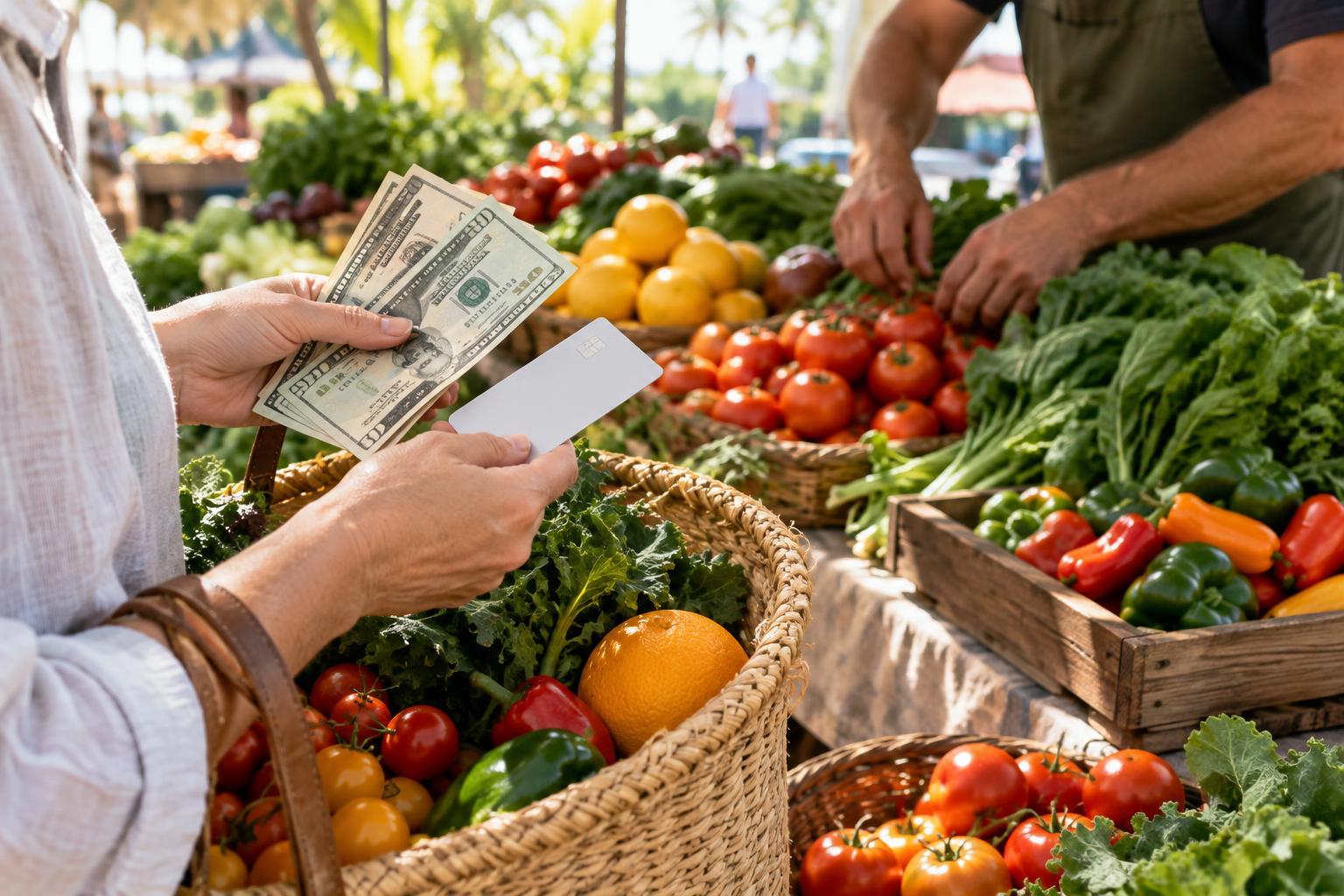
Cash remains a practical backup for small purchases and for stalls that do not process cards. Smaller bills can make a quick purchase easier, especially early in a vendor’s selling day, when change may be limited. Keep cash secure and bring only an amount you are comfortable carrying. If you plan to use a card, bring the physical card rather than relying entirely on a phone: digital wallets may not be accepted everywhere, and a phone battery or connection can fail.
Before you shop, check whether a vendor has a minimum card purchase or adds a clearly disclosed processing charge. If you need cash on site, ask whether an ATM is available and whether it charges a fee; do not count on finding one. Florida markets can be outdoors, so a simple backup plan is especially useful when weather or connectivity affects a card reader. A payment hiccup should not mean giving up the produce you came for.
Understand payment programs before you arrive
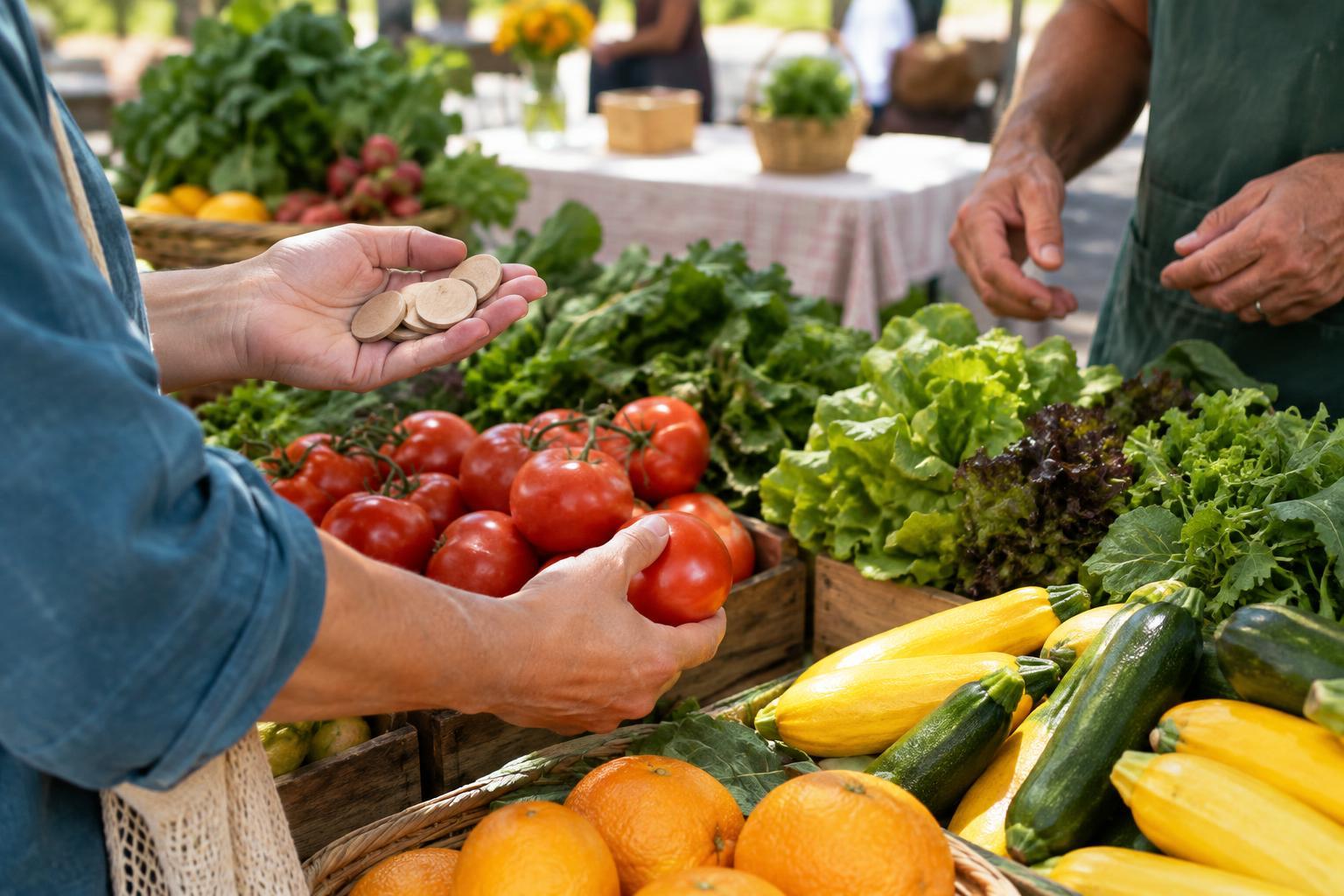
Some markets participate in food assistance or produce incentive programs, but the details vary. A program might use a card at a central booth, issue tokens or vouchers, or allow payment directly at an eligible stall. Participation can differ by market, vendor and product. Check the market’s current instructions for where to start, what form of payment to bring, which items qualify and whether any matching benefit is available. Ask how any benefit is issued and whether it must be used that day.
Keep the different forms of market currency straight. A token obtained through a card transaction may not follow the same rules as a voucher or token issued through an assistance program. Some can be spent only on certain foods or at participating stalls. Before exchanging funds, ask whether unused value can be returned, carried over or used on a later visit. If signs are unclear, the information booth is a good first stop; vendors should not have to guess at a program’s rules.
Make a short shopping plan without locking it in
Write a loose list of what you need and an approximate spending limit. That helps you decide how much cash to bring, but leaves room for a good-looking seasonal find. Consider buying essentials first, then using what remains for an unfamiliar fruit, a bunch of herbs or a prepared snack. If you are shopping with program benefits, separate eligible purchases from other items in your plan so checkout is simpler.
At each stall, take a moment to read prices and ask how an item is sold: by the piece, bunch, container or weight. If you are unsure whether your payment method works there, ask before a vendor bags or weighs your order. A friendly, direct question saves time for both of you. Bringing your own shopping bag also makes it easier to keep purchases organized as you move between stalls.
Do a final check on market day
Before setting out, confirm the market’s location and hours through its own current information. Payment details, vendor lineups and booth locations may shift, so treat an older post or a previous visit as a starting point rather than a guarantee. If you depend on a particular payment program, checking that it is operating on the day you plan to go can prevent a wasted trip.
Once there, locate the information booth and any posted payment guidance before filling your bag. Then shop with your preferred method and a backup in mind. The goal is not to anticipate every exception; it is to know which questions to ask and leave yourself enough flexibility to enjoy the market.