Check before you make the trip
A farmers market may accept SNAP, but that does not always mean every vendor can process an EBT card. Some markets run one central EBT station and issue tokens for use at participating stalls. Others have vendors who process cards directly. Before visiting, check the market’s own website or recent announcements, then contact the market manager if the details are unclear. Ask whether SNAP is accepted on the day you plan to visit, where to find the EBT station, and whether any vendors handle EBT purchases themselves.
A market listing or directory can be a useful starting point, but arrangements may change. If you are planning your trip around a particular purchase, it is worth confirming that the vendor will be there and can accept the form of payment you intend to use. In Florida, where some markets change hours or pause during parts of the year, checking the current schedule can save a wasted journey. You do not need to explain your shopping list to ask a simple payment question.
What happens at an EBT station
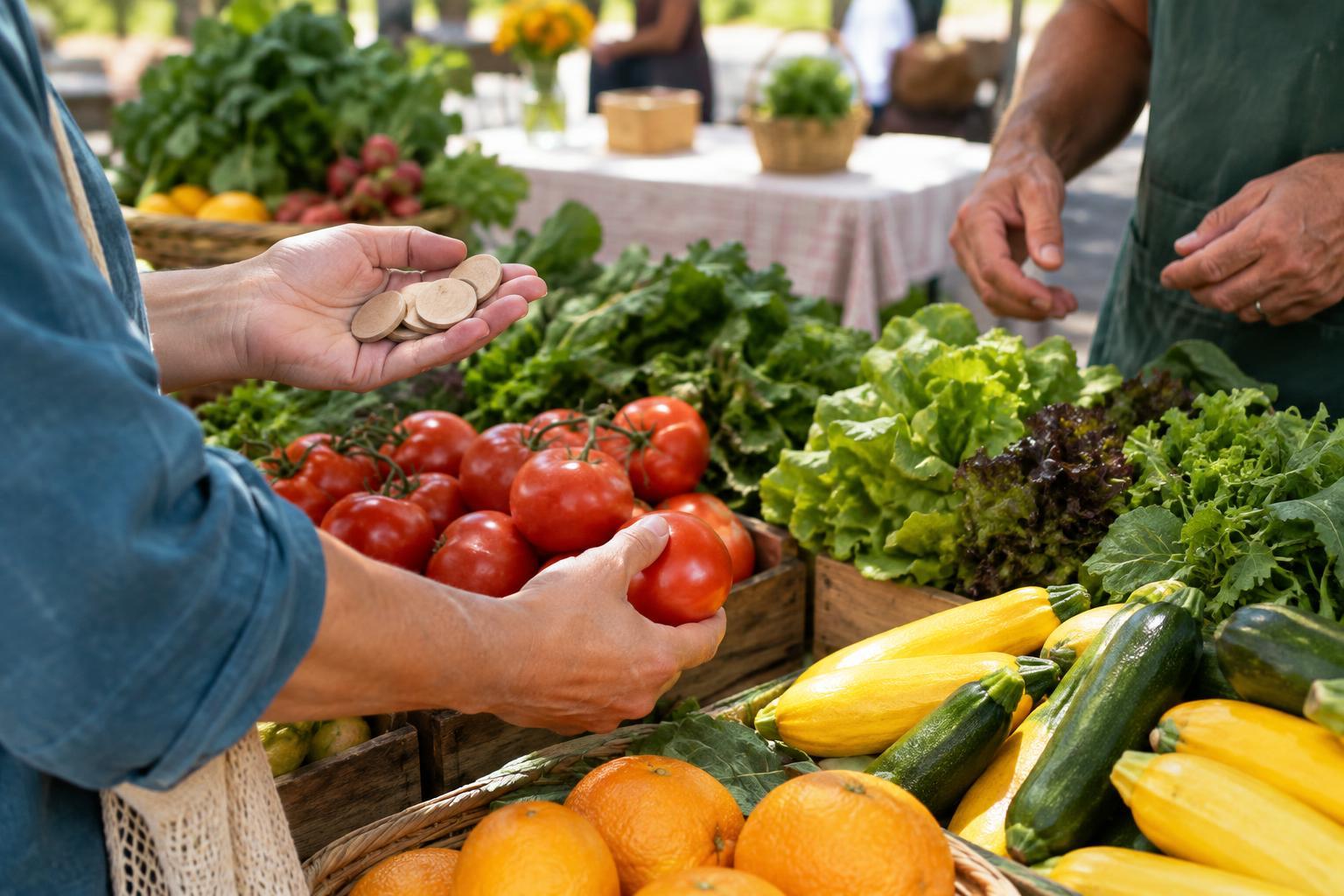
At a market with a central station, staff will tell you how to use your SNAP EBT card. Typically, you choose an amount to spend, complete a transaction using your PIN, and receive tokens or another form of market scrip worth that amount. You then take those tokens to participating vendors to buy eligible items. The station may be near an information tent or entrance; if it is not obvious, ask a market worker rather than assuming a vendor can process your card.
Find out which tokens are for SNAP before you begin shopping. A market may use different colors or designs for SNAP purchases and for tokens bought with cash or a debit card. They may look similar but follow different rules. If you are unsure, ask staff to point out the difference and show you which stalls accept the tokens you have. Keep your transaction receipt and any unused tokens together until you know the market’s policy for them.
Know what SNAP tokens can buy
SNAP can generally be used for food intended to be prepared or eaten at home, including fruits, vegetables, bread, meat, and other eligible groceries. Seeds and plants that produce food for the household may also qualify. Hot foods sold ready to eat, alcohol, and nonfood goods generally do not qualify. At a farmers market, that distinction matters: a stall might sell eligible fresh produce alongside a hot meal, flowers, or handmade soap.
Before a vendor totals your purchase, say that you plan to pay with SNAP tokens and ask which items are eligible. Vendors should be able to tell you what they can accept. If you are buying eligible and ineligible items together, request separate totals and use another payment method for the rest. SNAP tokens should not be treated as cash, so ask the market how it handles a purchase that costs less than the tokens you have. Choosing token amounts close to what you expect to spend may make checkout simpler.
Ask separately about matching programs
Some markets offer an incentive that adds purchasing power for certain foods when you use SNAP. A market might issue separate matching tokens or use another system, with limits and eligible items that differ from its regular SNAP tokens. Do not assume that a market accepting SNAP also offers a match, or that a match advertised elsewhere works the same way here.
If a match matters to your budget, ask the market how much you can receive, what purchases qualify, whether you must visit a booth before shopping, and whether the offer is available that day. Keep any matching tokens separate from your SNAP tokens until you understand where each can be spent. A quick question at the start is easier than sorting out two sets of rules while a line forms behind you.
Plan for leftovers and an easier checkout
Markets set their own procedures for unused tokens. Before loading more onto your card than you expect to spend, ask whether leftover SNAP tokens can be used on another market day or returned to the EBT station. Also ask what happens if a vendor cannot make change for a token. Do not count on exchanging tokens for cash; staff can explain the options that apply at that market.
A short shopping plan helps. Make a list of the foods you want, bring another payment method for noneligible items if possible, and stop at the information booth when you arrive. If you are shopping near closing time, locate the EBT station first so you know when it shuts down. Once you understand the local system, you can spend less time working out payment and more time choosing what looks good at the stalls.