Two names, many avocados
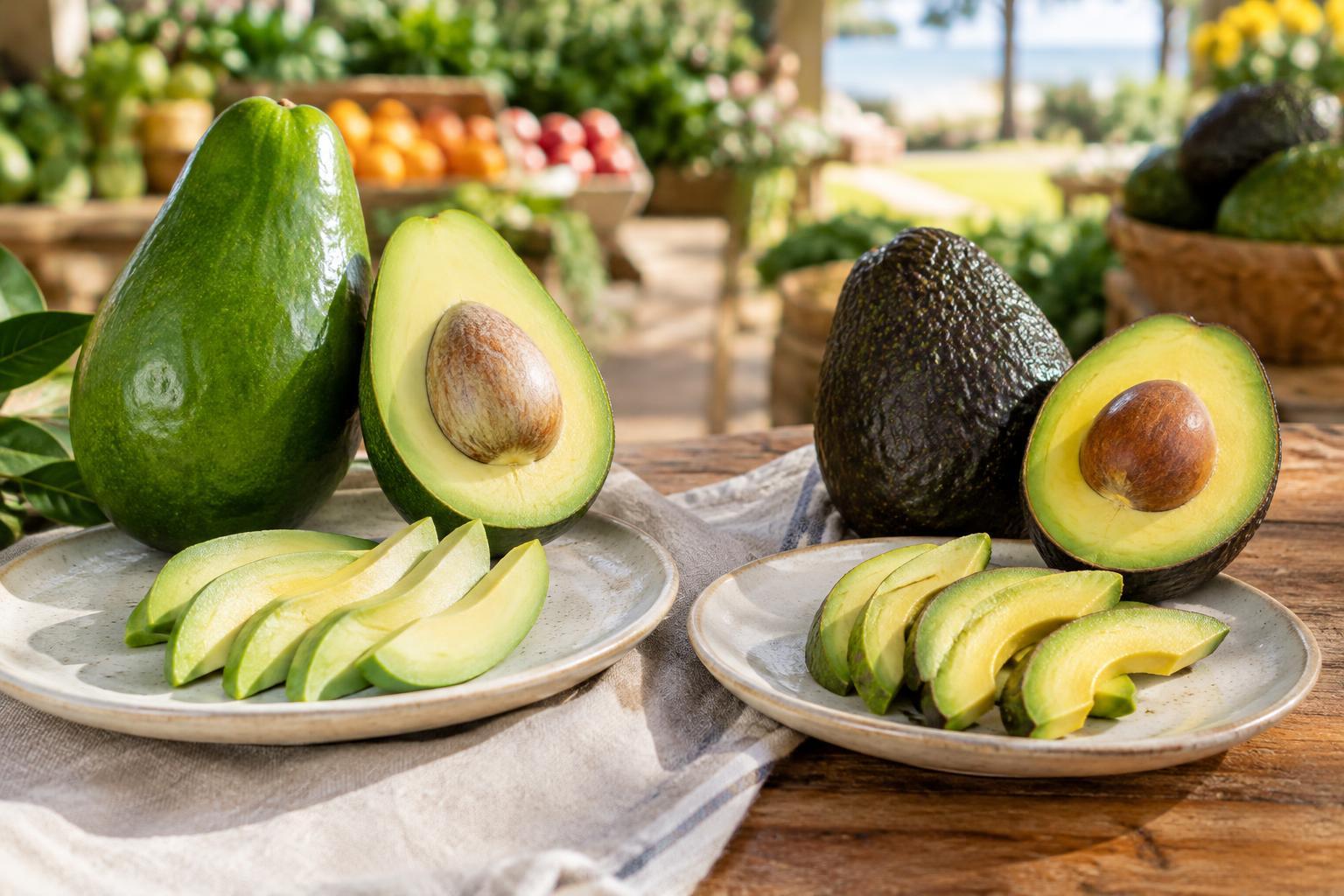
At a Florida produce stand, a large, smooth-skinned green avocado may sit beside the smaller, pebbly-skinned Hass familiar from grocery stores. They are both avocados, but they offer different eating experiences. “Florida avocado” describes fruit grown in the state rather than a single variety, so size, shape, and flavor can vary from one harvest to another. Hass is a specific variety known for its rich, creamy flesh.
Neither type is better for every purpose. A ripe Florida avocado often holds its shape well when sliced or diced, while a ripe Hass usually mashes into a thicker, silkier spread. Thinking about the dish you want to make is more useful than treating the two as interchangeable.
What to expect from the seasons
Florida-grown avocados are most commonly associated with summer and fall, although harvest timing depends on the variety and growing conditions. A market seller may offer different Florida avocados as the season progresses. If you want local fruit, ask where it was grown and whether it is ready to eat soon or needs a few days on the counter.
Hass avocados may appear in stores across much of the year because they can be supplied from different growing regions. Their presence in a Florida shop does not necessarily mean they were grown nearby. At a farmers market, a simple question about origin is the clearest way to tell whether an avocado is local.
How texture changes the dish
Florida avocados are often larger and have flesh that feels lighter and less oily than Hass. Many taste mild and fresh, making them appealing in dishes where clean slices or distinct cubes matter. Try them with tomatoes and citrus in a salad, tucked into a sandwich, or added just before serving to a bowl of rice and beans. Their gentle flavor leaves room for herbs, salt, and a bright dressing.
Hass has a denser, richer texture and is a natural choice when the avocado needs to bind a mixture. It mashes easily for guacamole, spreads smoothly on toast, and brings body to a creamy dressing. You can mash a Florida avocado too, but the result may be looser. For a thicker dip, drain off any liquid released by the other ingredients and add them gradually rather than assuming a Hass recipe will behave exactly the same way.
These are useful tendencies, not guarantees. Ripeness affects texture, and Florida-grown varieties differ from one another. If a particular fruit is especially soft, use it for a spread; if it is ripe but firm enough to cut cleanly, let its shape be part of the dish.
Choose and ripen by touch, not color alone
For either type, look for fruit that feels heavy for its size and has no obvious deep dents, leaking spots, or broken skin. A ready-to-eat avocado should give slightly to gentle pressure in your palm. Avoid squeezing repeatedly with your fingertips, which can bruise the flesh. Very hard fruit may need time to ripen; very soft fruit may be past its best for neat slices.
Skin color is an imperfect guide. Hass often darkens as it ripens, but color alone cannot tell you what is happening inside. Many Florida avocados remain green when ripe, so waiting for them to turn dark can mean missing their best moment. Leave firm fruit at room temperature and check it daily. Once ripe, move it to the refrigerator if you are not using it immediately.
Cut avocado browns when its flesh is exposed to air. To slow that change, press a covering against the cut surface and refrigerate it promptly. A little citrus juice can help preserve its appearance and add flavor, though it will not keep the fruit green indefinitely.
A simple way to decide at the market
Choose a Florida avocado when you want a local seasonal ingredient, generous slices, or tidy pieces for a salad. Choose Hass when richness and a thick mash are central to the recipe. If both look good, buy one of each and compare them in a dish that needs little preparation: slices with salt and lime, for example, make their differences easy to notice.
Whichever you take home, plan around the fruit’s actual ripeness rather than the calendar or its appearance. A well-timed avocado—Florida-grown or Hass—will do more for dinner than the “right” variety cut before it is ready.