Why Florida blueberry season feels brief
Florida blueberries are a spring fruit, often reaching markets before blueberries from states farther north. Their local season is relatively short, however, and the best weeks to shop can shift from year to year. Weather, growing region, and the varieties a farm grows all affect when fruit is ready. Rather than relying on a single calendar date, treat spring as a cue to start looking and ask growers when they expect their crop to peak.
The berries sold locally may come from different parts of the state as the season progresses. A warm spell can move ripening along, while cooler conditions can slow it. Rain can also affect how fruit holds up after picking. These changes help explain why a favorite vendor might have plenty of blueberries one week and only a few containers the next. A short supply is not necessarily a sign that the season is over; it may simply be a pause between pickings.
What ripeness looks like at the market
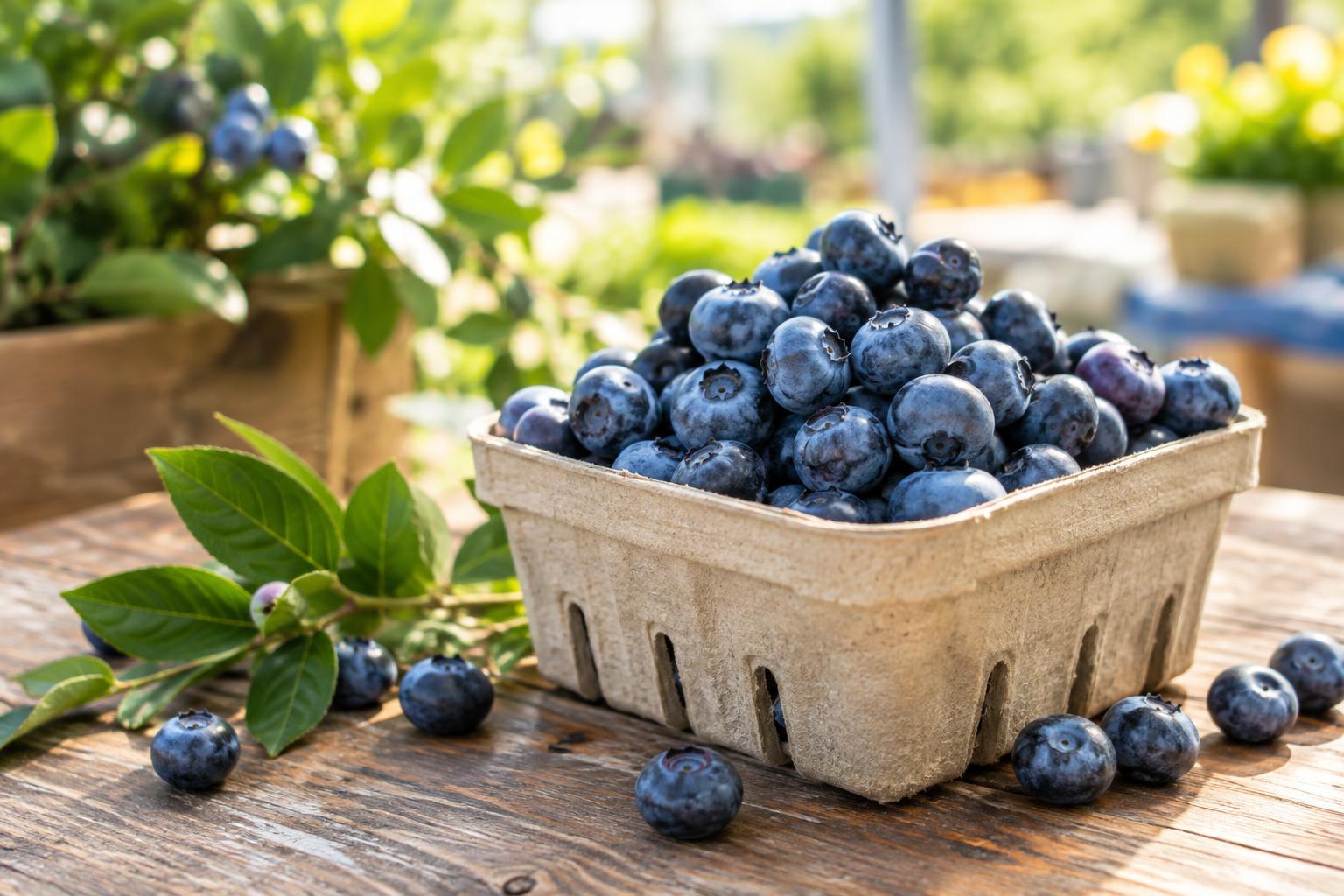
Look for berries that are mostly deep blue, firm, and dry. A pale, dusty-looking coating on the skin is normal; this natural bloom is not mold or a sign that the fruit is dirty. A few differences in berry size are normal, especially when fruit is packed by hand. Check the bottom of a container if you can: pooled juice or many crushed berries suggest the fruit may need to be used soon.
Blueberries do not become noticeably sweeter after they are picked, so color matters more than a plan to ripen them on the counter. If a container has many reddish or green berries, ask whether they are meant for cooking or choose a more evenly blue batch for snacking. Flavor can vary by variety and growing conditions, too. When a vendor offers a taste, it can be the simplest way to decide which berries suit you.
Buying locally does not always mean a berry was picked that morning. If freshness is important for your plans, ask when the fruit was harvested and how it has been kept. A brief conversation can also tell you whether more berries are expected at the next market or whether the farm is nearing the end of its crop.
Bring them home gently
Blueberries travel best in a shallow, sturdy container where they will not be pressed under heavier groceries. Keep them out of a hot car, and refrigerate them when you get home. Sort out any soft or leaking berries so they do not sit against sound fruit. For best keeping quality, leave the rest unwashed until you are ready to eat or cook them; extra moisture can encourage spoilage.
When it is time to use them, rinse gently and drain well. If you have more than you can eat while fresh, freezing is an easy way to extend their usefulness. Spread clean, thoroughly dry berries on a tray, freeze until firm, then transfer them to a freezer container. You can measure out a handful for muffins, pancakes, or a quick sauce without thawing the whole batch.
Simple ways to use the harvest
A good Florida blueberry needs little help. Eat berries out of hand, spoon them over yogurt, or add them to a fruit salad just before serving. Their sweet-tart flavor also works with savory food: try a small handful in a green salad with a bright citrus dressing, or simmer berries briefly into a sauce for a meal or dessert. Taste before adding sugar, since sweetness varies from batch to batch.
For baking, fold berries into batter gently so they stay mostly whole. Frozen berries can be useful here, although they may tint a pale batter as they warm. If your purchase includes a few soft but sound berries, set those aside for jam, a cooked topping, or a smoothie, and save the firmest fruit for eating fresh. Discard any berries that show mold.
Shop the season, not just the calendar
The pleasure of Florida blueberries is partly their limited run. Start checking produce stands and markets in spring, then let the fruit in front of you guide what you buy. If you want berries for a particular recipe, ask a grower about expected availability rather than assuming they will be there on a certain weekend. When the crop is plentiful, enjoy some fresh and put some away; when it tapers off, make the most of the last containers without expecting every week to look the same.