A winter-to-spring harvest
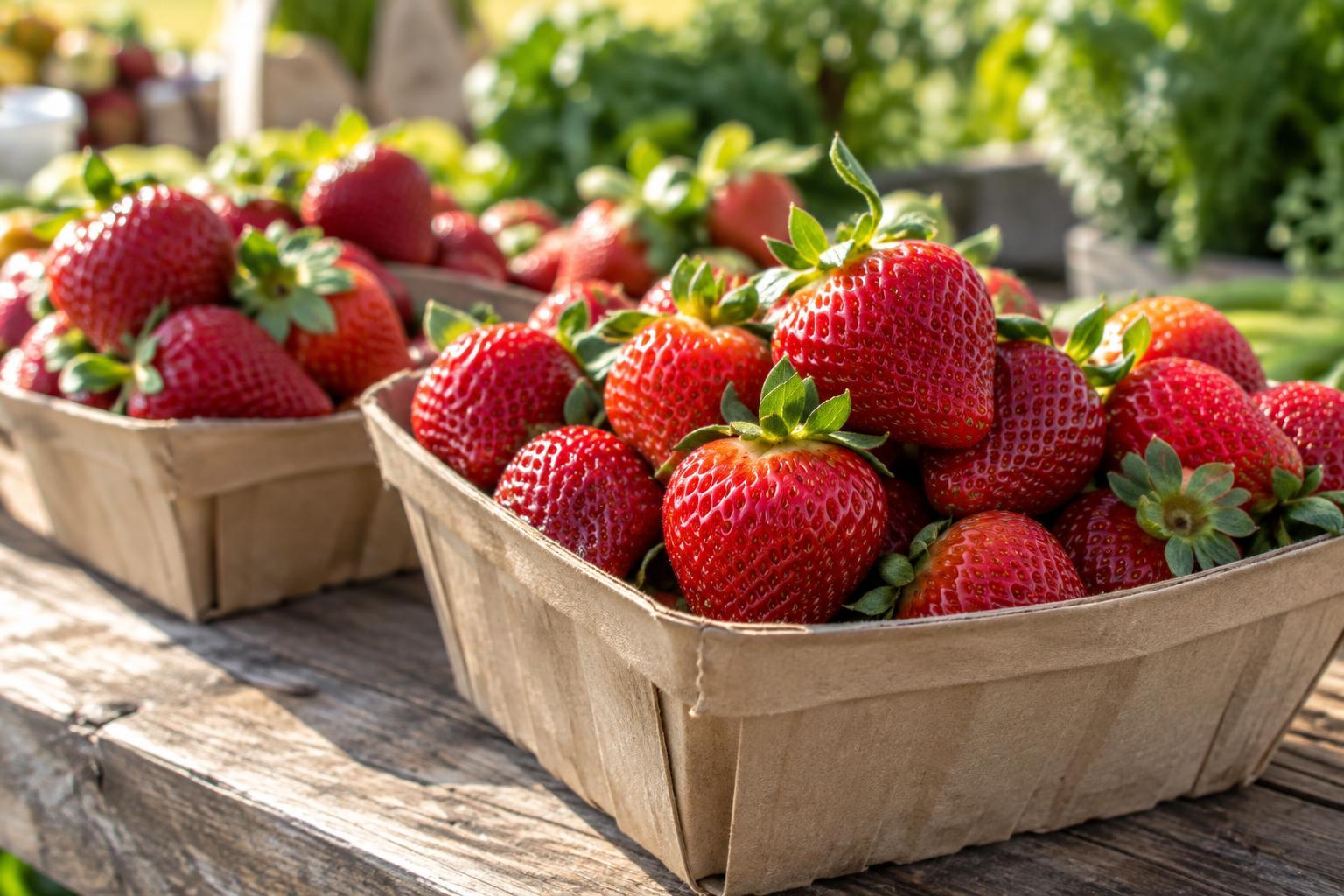
In much of the United States, strawberries bring summer to mind. Florida’s local harvest follows a different rhythm: berries typically begin reaching markets in late fall or early winter and remain available into spring. For shoppers, winter is often the most dependable time to look for Florida-grown strawberries, with supplies commonly continuing through March and sometimes into April.
Those dates are a guide, not a promise for every market or farm. Weather, growing conditions and individual planting schedules can shift when the first baskets appear and when the season winds down. A cool or rainy stretch may slow picking, while warm weather can change how quickly fruit ripens. If you are making a special trip, ask a market vendor what they expect to bring rather than relying on the calendar alone.
Why Florida berries arrive in cooler months
Florida growers take advantage of a mild winter that can support strawberry production when colder regions are between harvests. The Plant City area in central Florida is especially associated with strawberry growing, though berries may be grown elsewhere in the state. The result is a local season that overlaps with the months when many shoppers are used to seeing strawberries shipped from farther away.
“In season” also describes a stretch of time, not a single peak day. Early in the harvest, a stand may have a modest supply that sells quickly. Availability may become steadier as the season progresses, then taper off in spring. A market can have Florida strawberries one week and none the next, particularly when its sellers depend on a small number of growers. Checking the origin of the berries is more useful than assuming every winter strawberry on a table was grown nearby.
How to shop for a good basket
Look for berries that appear bright and fresh, with green caps and no visible mold or leaking juice. Size alone tells you little about flavor: small and large strawberries can both be enjoyable. If the berries are packaged, glance at the bottom of the container for crushed fruit or pooled moisture. A gentle aroma can be a welcome sign, but avoid squeezing the berries to test them.
At a market, it is reasonable to ask where and when the strawberries were picked. You can also ask whether a vendor expects more berries later in the week or season. If tasting is permitted, follow the seller’s lead rather than sampling from a display. Buy an amount you can use promptly; strawberries are delicate, and even an attractive basket can deteriorate if left warm for too long.
Early and late in the season, flexibility helps. If the selection is limited, consider what looks best that day instead of searching for berries of a particular size. When you find a basket you like, carry it where it will not be pressed beneath heavier purchases.
Keep them fresh once you get home
Sort through your strawberries when you get home and remove any damaged or moldy fruit. Refrigerate the rest in a container that allows some airflow, ideally with a paper towel to absorb excess moisture. Wait to wash them until shortly before eating or preparing them; berries stored wet tend to soften faster. Rinse gently under cool water, then remove the caps.
For the best texture, plan to eat fresh strawberries within a few days of buying them. If you have more than you can use, freeze cleaned, dry, hulled berries in a single layer before transferring them to a freezer-safe container. Thawed berries will be softer than fresh ones, but they work well in smoothies, sauces and baked dishes. Freezing a generous market purchase can extend its usefulness without expecting fresh berries to last all week.
Make the most of the season
The first Florida strawberries of the season are an invitation to keep things simple. Serve them plain, spoon them over yogurt or add them to a salad just before serving. Slightly soft berries can become a quick topping: slice them, add a little sugar if needed, and let them sit briefly until their juices collect. A squeeze of citrus can add brightness without hiding the fruit.
As spring approaches, keep asking what is local rather than assuming the harvest will end on a fixed date. The most useful seasonal habit is to notice what growers actually have: buy fresh berries when they look good, enjoy them soon, and switch to other produce when the local supply fades.