A peach season worth watching for
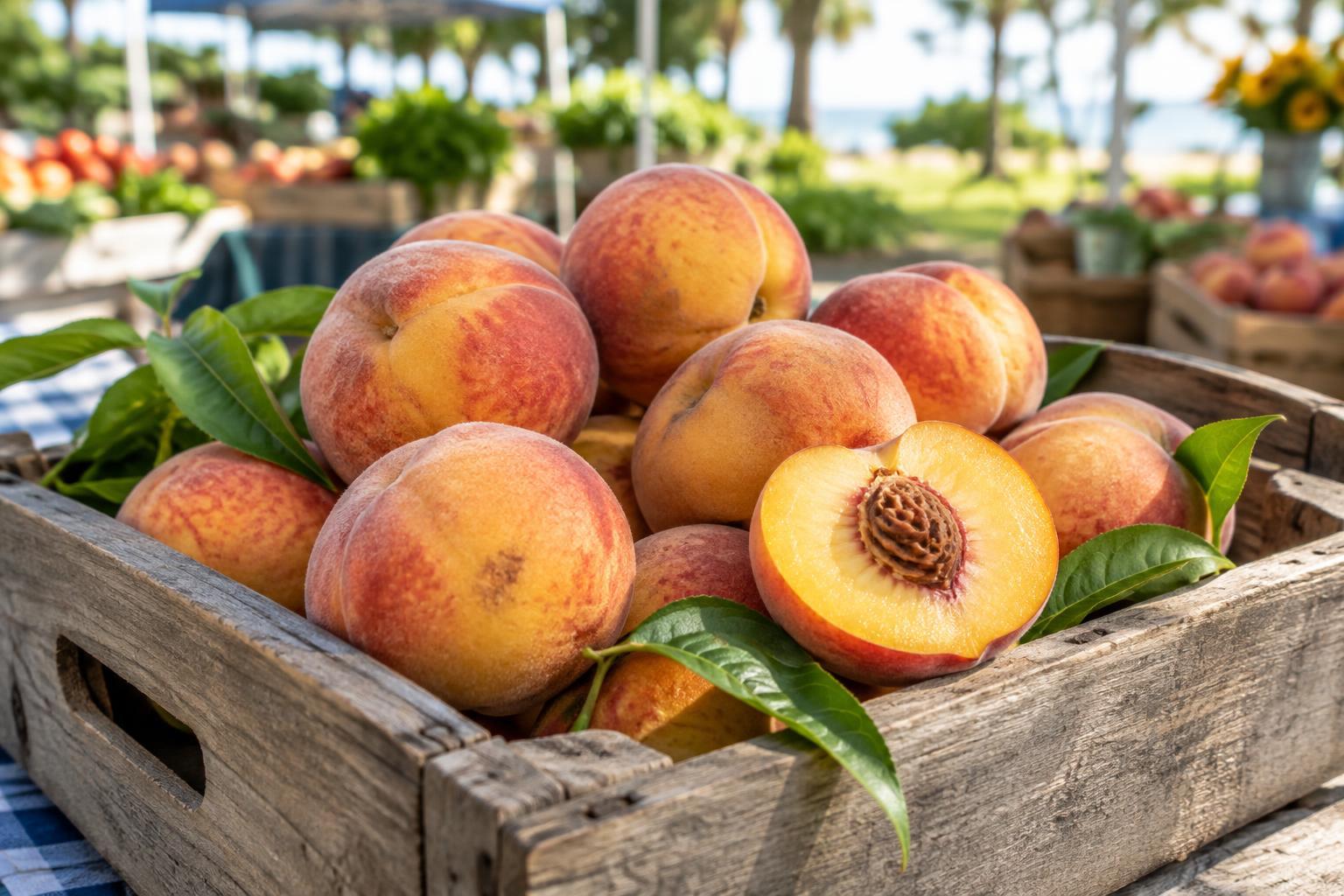
A basket of Florida peaches can feel like a welcome surprise among the familiar sights of a produce market. Their local season tends to be brief, so shoppers who wait until peaches become a regular part of their routine may miss it. The exact window depends on the variety, the growing area and the weather in a given year. Rather than planning around a fixed date, ask growers when they expect their first fruit and check back while the harvest is underway.
The short appearance is part of what makes these peaches appealing. They offer a chance to cook with fruit that reflects a particular place and moment, instead of treating peaches as an ingredient that tastes the same all year.
Why Florida peaches have a short window
Peach trees need a period of cool weather to help them move from winter rest into spring growth. Florida growers use varieties suited to comparatively mild winters, often called low-chill peaches. These varieties can produce fruit under conditions that differ from those in more northern peach-growing regions, but they do not make the harvest continuous.
Once a tree blooms and its fruit begins to develop, that crop ripens within a limited period. Different varieties can spread a farm’s harvest somewhat, yet each tree still has its own concentrated picking window. Warm spells, cold snaps and rain can also affect bloom, fruit development and picking, so a market table that is full one week may look different the next.
Peaches are delicate after harvest, too. They bruise easily, soften quickly and are best handled with care. That does not necessarily mean every peach at a market was picked that morning, but it does mean growers and sellers have less room to hold ripe fruit than they do with sturdier produce. Harvest timing and perishability together help explain why the local offering can seem to arrive and disappear so quickly.
How to choose peaches at the market
Start by deciding when you want to eat them. For a peach to enjoy soon, look for one with a fragrant aroma and a little give near the stem when handled gently. A firmer peach may suit a plan to eat it in a day or two. Background color can offer a clue: look for less green near the stem rather than judging by the amount of red blush, which varies by variety and does not reliably indicate ripeness on its own.
Avoid squeezing a peach to test it; a light touch is enough, and pressing can bruise fruit another shopper may take home. Skip peaches with leaking juice, extensive soft spots or visible mold. Small surface marks do not always affect the flesh, so ask the seller if you are unsure. It is also worth asking whether the peaches are ready to eat, whether they will soften further and which variety is on the table.
Let them ripen, then keep them cool
If your peaches are still firm, leave them at room temperature, out of direct sun, and check them daily. They may soften as they sit, although fruit picked before it has developed enough flavor will not necessarily become sweet simply by waiting. Once peaches are ripe, refrigerate them to slow further softening and plan to use them soon. Letting a chilled peach come toward room temperature before eating can make its aroma easier to appreciate.
Carry peaches home in a shallow bag or at the top of your shopping basket, away from heavy items. Wash them under running water just before eating or preparing them, rather than storing them wet. A peach that is a little too soft for neat slices may still be useful in a cooked dish; discard fruit with mold or signs of spoilage.
Make the most of a small haul
A ripe Florida peach needs little help: slice it over yogurt, serve it with a simple breakfast or eat it over the sink. Firmer fruit can be cut into a salad with crisp greens, while softer peaches can be gently cooked into a topping for toast, oatmeal or dessert. For an easy savory pairing, try sliced peach alongside tomatoes and herbs, adding a little acidity to balance the fruit’s sweetness.
If you find more than you can use at once, peel and slice sound ripe peaches for the freezer. Freeze the pieces in a single layer before transferring them to a container so they are easier to portion later. They will be softer after thawing, but can work well in smoothies or cooked preparations. And if the market season has already passed, ask a grower when they usually expect the next crop. A brief season is easier to enjoy when you know to watch for it.