One state, many growing conditions
Florida produce does not follow one statewide calendar. The distance between the Panhandle and the southern tip is large enough for plants to encounter different winter temperatures, frost risks and stretches of warm weather. Coastal exposure, elevation and a farm’s particular site add further variation. As a result, a crop may reach a market in one region while growers elsewhere are still planting it—or have already finished their harvest.
Think of harvest windows as flexible ranges rather than fixed appointments. Weather can move a crop earlier or later, and a variety suited to one area may behave differently in another. A market display tells you what is available that day; it does not necessarily show what every Florida farm could be harvesting at the same time.
How north, central and south Florida differ
In north Florida, cooler winters and a greater chance of frost can limit tender crops during the coldest stretches. Growers may make good use of cool weather for greens, roots and other crops that prefer mild conditions, then turn to warm-season produce as temperatures rise. Summer heat and humidity can make some familiar vegetables harder to grow, so a spring or fall harvest may matter more than a midsummer one.
Central Florida sits between those patterns. Mild periods can support cool-season vegetables, while warm-weather crops have opportunities on either side of the hottest, wettest part of the year. In south Florida, relatively warm winters allow growers to raise many vegetables when colder parts of the country cannot. There, intense summer heat and frequent rain can be the bigger constraint. These are useful regional tendencies, not rules for every farm or crop.
Temperature is only part of the calendar
Plants respond to more than a daytime high. Cold nights can slow growth or damage sensitive crops, while prolonged heat can affect flowering, fruit set and quality. Rainfall matters, too: too little water stresses plants, but persistent wet conditions can complicate fieldwork and make it harder to keep produce in good condition. Day length also influences some crops, and soil drainage can determine how well a farm handles a rainy spell.
Growers can adjust their calendars by choosing different varieties, planting in stages or using tools such as shade, irrigation, mulch and protective covers. Those choices help explain why two nearby farms may bring different produce to market. A protected crop or an early-maturing variety may appear before an open-field planting, even though both were grown locally.
What shifting windows look like on a market table
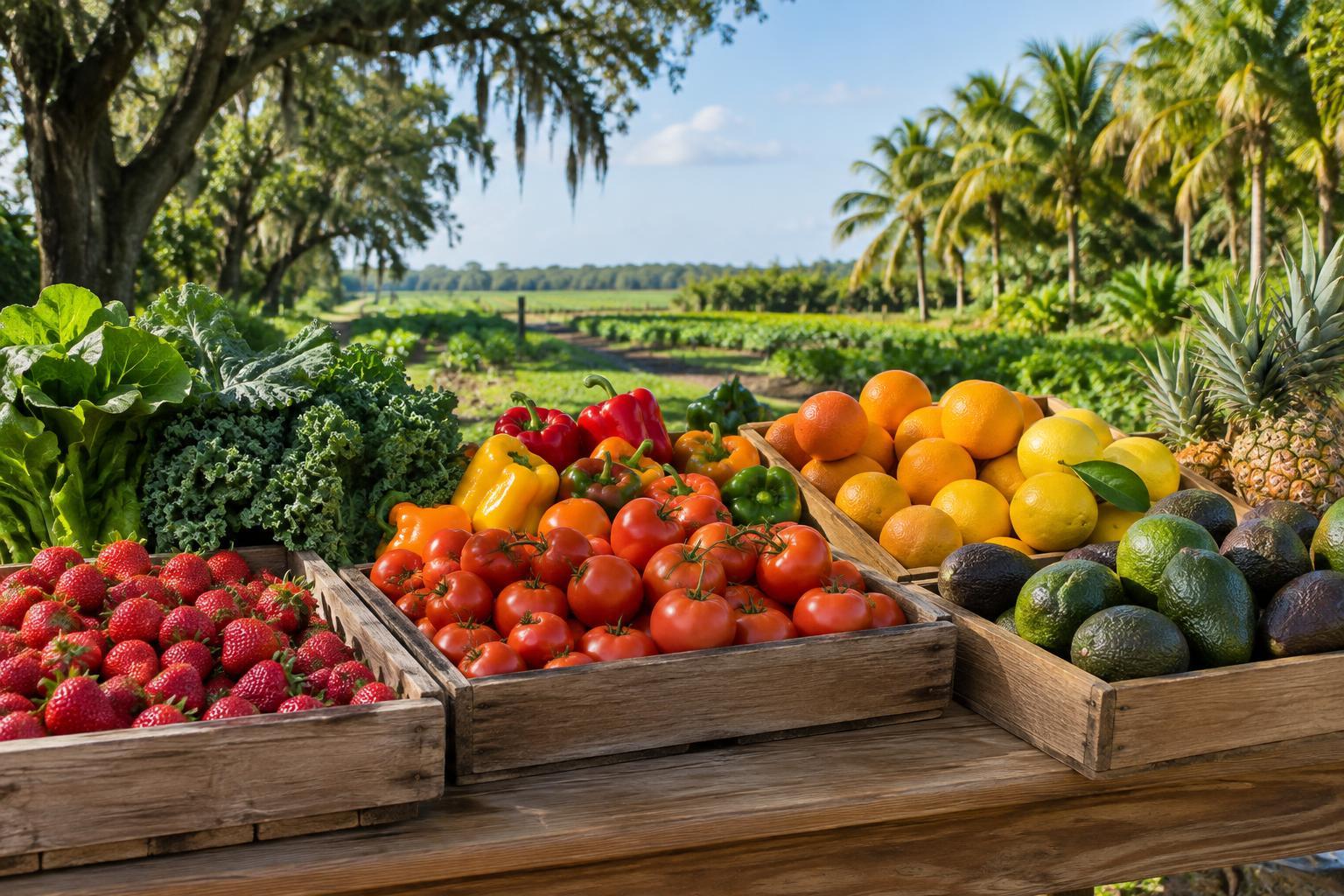
Cool-season vegetables offer an easy example. Tender greens, lettuce and many root vegetables often benefit from Florida’s milder months, but the comfortable growing period can begin and end at different times across the state. Tomatoes present another contrast: shoppers may associate them with summer gardens elsewhere, yet Florida growers often work around the most punishing heat and wet weather. The best local tomato season may therefore depend as much on region and planting schedule as on the season printed on a calendar.
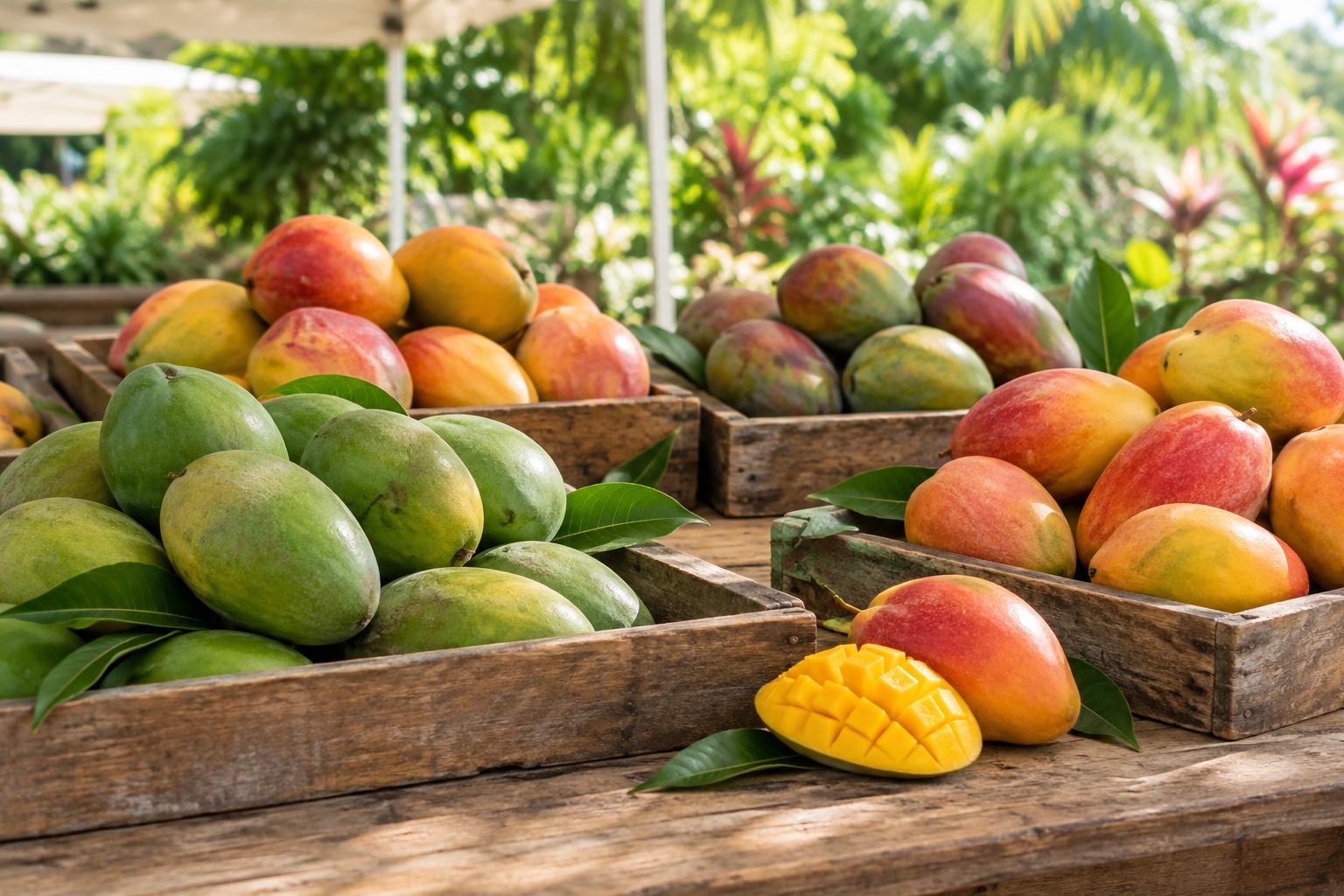
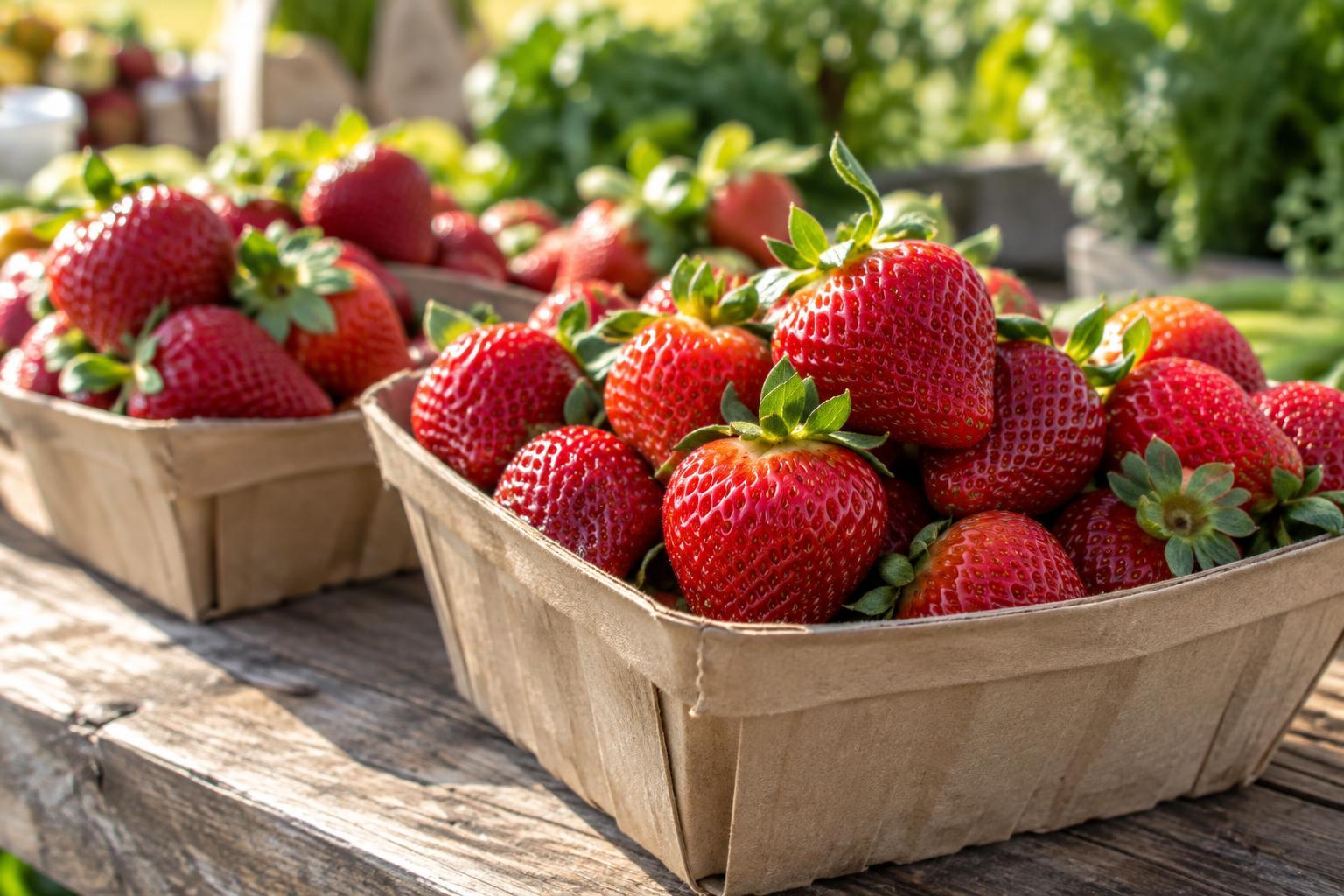
Fruit has its own patterns. Strawberries are commonly associated with Florida’s cooler growing weather, while mangoes and some other tropical fruits favor warmth and are more closely tied to suitable southern growing areas. Citrus harvests vary by type and variety; “citrus season” is not a single start and finish for every orange, grapefruit or tangerine. Availability also depends on whether a particular grower has a crop to sell. Seeing an ingredient at a stall does not, by itself, tell you where it was grown.
Shop the season you find, not the one you expect
Start with a loose plan and let the market refine it. If you want greens for a salad, be ready to switch to another leafy vegetable when your first choice is absent. If tomatoes are scarce, a simple dish built around whatever is plentiful may taste better than one built around an expected harvest. Look for signs that identify the farm or growing area, and ask vendors where the produce came from and what is coming into season next.
Regional timing is most useful as a set of questions, not a strict chart: Is this crop comfortable in the current weather? Could it be arriving from a warmer or cooler part of Florida? Is it the beginning of a harvest, its peak, or the last of a planting? With that approach, shifting windows become part of the pleasure of shopping. They offer a reason to notice what is fresh now—and to try something different when the table changes.