Start with the name, not the photograph
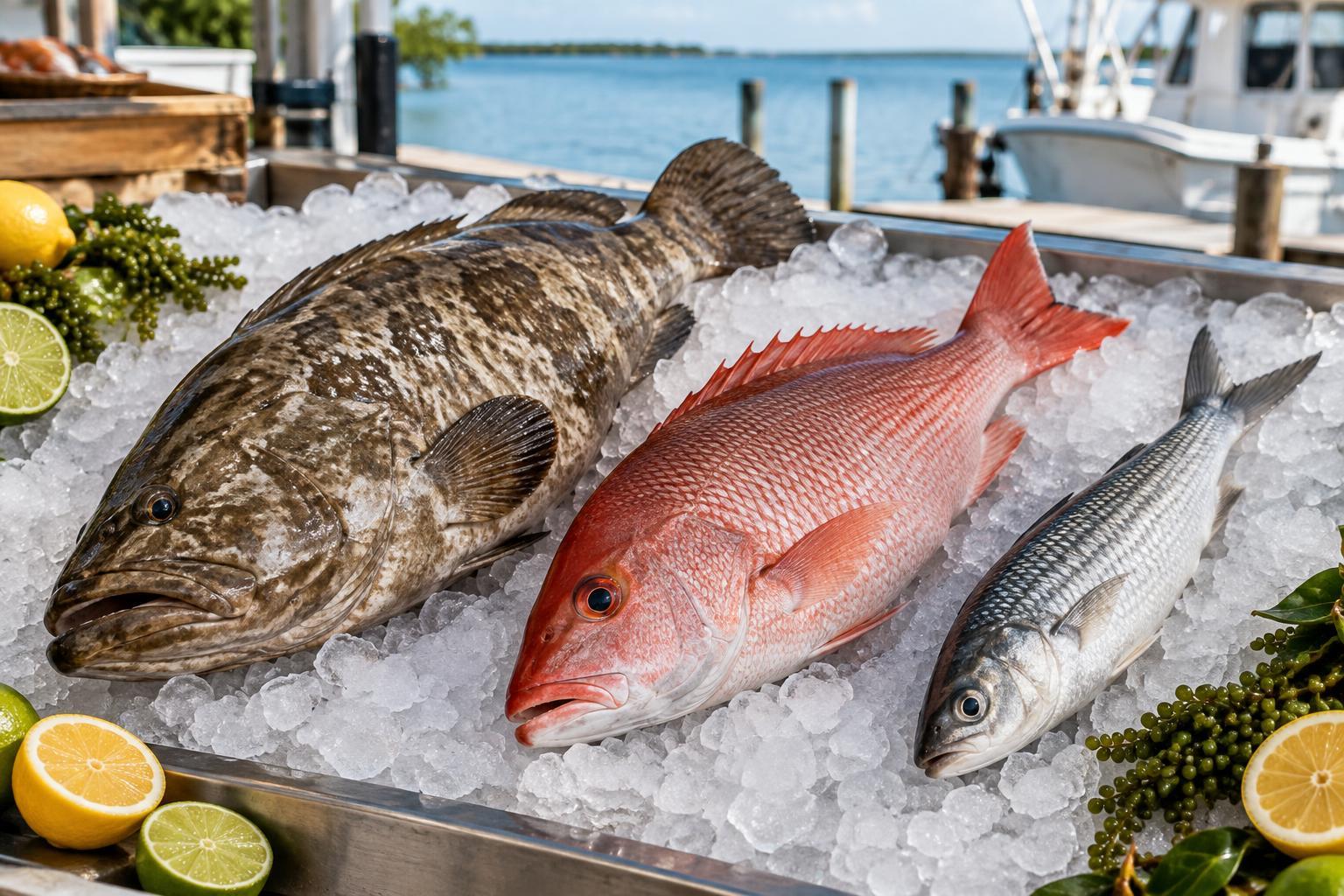
A Florida seafood menu might offer a grouper sandwich, a snapper entrée, and smoked mullet spread on the same page. Those names sound specific, yet each can leave questions unanswered. Grouper and snapper refer to groups of fish rather than one single menu experience. Mullet is often served in preparations so distinctive that the cooking method matters as much as the fish. Learning the broad differences helps you choose a dish without assuming that every restaurant prepares it the same way.
The safest starting point is to read the whole description. A fish’s name tells you less about the finished plate than its cut, cooking method, seasoning, and sauce. If the menu simply says “fish of the day” or “snapper,” ask what fish is being served and how it is prepared. A clear answer is more useful than trying to identify a fillet by color after it arrives.
Grouper: a familiar name with several possibilities
Grouper is commonly associated with thick, white fillets that hold together well when cooked. Its relatively mild flavor makes it a natural choice for a sandwich or an entrée with a strongly flavored topping. That description is a guide, not a guarantee: different grouper species, cuts, and preparations can produce different textures and tastes.
Pay attention to the words around “grouper.” Blackened refers to a heavily seasoned cooking style, while fried, grilled, and sautéed versions will feel quite different at the table. A grouper sandwich may also be shaped by its bun, slaw, pickles, and sauce. If you want the fish itself to stand out, ask how it is seasoned and whether a sauce comes on the side. If knowing the exact fish matters to you, ask which grouper is on the menu rather than assuming the general name identifies a species.
Snapper: ask which kind and how it is served
Snapper is another broad menu term. A restaurant may name a particular kind of snapper, or it may use the shorter label in a dish description. Snapper is often described as mild and somewhat sweet, but flavor and texture vary with the fish and preparation. A delicate fillet under a light sauce will not eat like a whole fish with crisp skin and bones.
The word can also be easy to overinterpret. “Red snapper” is a more specific name than “snapper”; it is worth noticing whether a menu makes that distinction. When ordering, ask a simple pair of questions: What kind of snapper is it, and is it served as a fillet or whole? The second question is especially useful if you prefer not to navigate bones. Neither price nor the color of a cooked fillet is a reliable shortcut for resolving an unclear menu description.
Mullet: preparation is part of the tradition
Mullet can surprise diners who expect every Florida fish dish to resemble a mild white fillet. It often has a fuller, more assertive flavor than the typical descriptions of grouper or snapper. Smoking is a well-known way to prepare it, and smoked mullet may appear as a spread or dip rather than a plated fillet. Frying is another possibility. Each approach gives a different impression, so it helps to think of “mullet” and “smoked mullet spread” as different ordering decisions.
If you are trying mullet for the first time, read the accompaniments as closely as the fish name. A spread may include a creamy base, seasonings, and something tangy; those additions affect both flavor and texture. Ask whether the dish is smoked, fried, or prepared another way, particularly if you are looking for a gentle flavor or want to avoid a pronounced smoky taste.
A better way to order from any seafood menu
Rather than ranking grouper, snapper, and mullet as universally better or worse, match the dish to what you enjoy. For a mild fish sandwich, look at the preparation and toppings before settling on a name. For a whole-fish experience, check whether the kitchen serves one and ask about bones. For a snack to share, smoked mullet spread offers a different format from either a sandwich or an entrée.
A few courteous questions can clear up most mix-ups: Which fish is this today? Is it a fillet or served whole? How is it cooked? What comes on it? Menus can change with availability, and staff may not always have every detail immediately, but asking gives them a chance to clarify. You do not need to master seafood terminology to order well. You only need to know which details will make the plate right for you.