Begin with a place, not a statewide label
Ask someone what Florida food tastes like, and you may hear about citrus, seafood, rice and beans, greens, tropical fruit or a family recipe that uses none of those. Each answer can be meaningful without standing for the entire state. Florida’s food traditions have been shaped by Indigenous peoples, migration, farming, fishing, trade and the cooking people do at home. Those histories meet differently from one neighborhood to the next.
A useful first question is not “Is this authentic Florida food?” but “Whose tradition is this, and where did I encounter it?” A dish made in a Cuban American household, a Haitian bakery item, or a recipe associated with a Gulf Coast fishing community may tell you something specific. Calling it simply “Florida cuisine” can erase the people and circumstances behind it. Name a community or place when you know it; when you do not, describe what you actually saw or ate rather than guessing.
Let markets show you connections, not boundaries
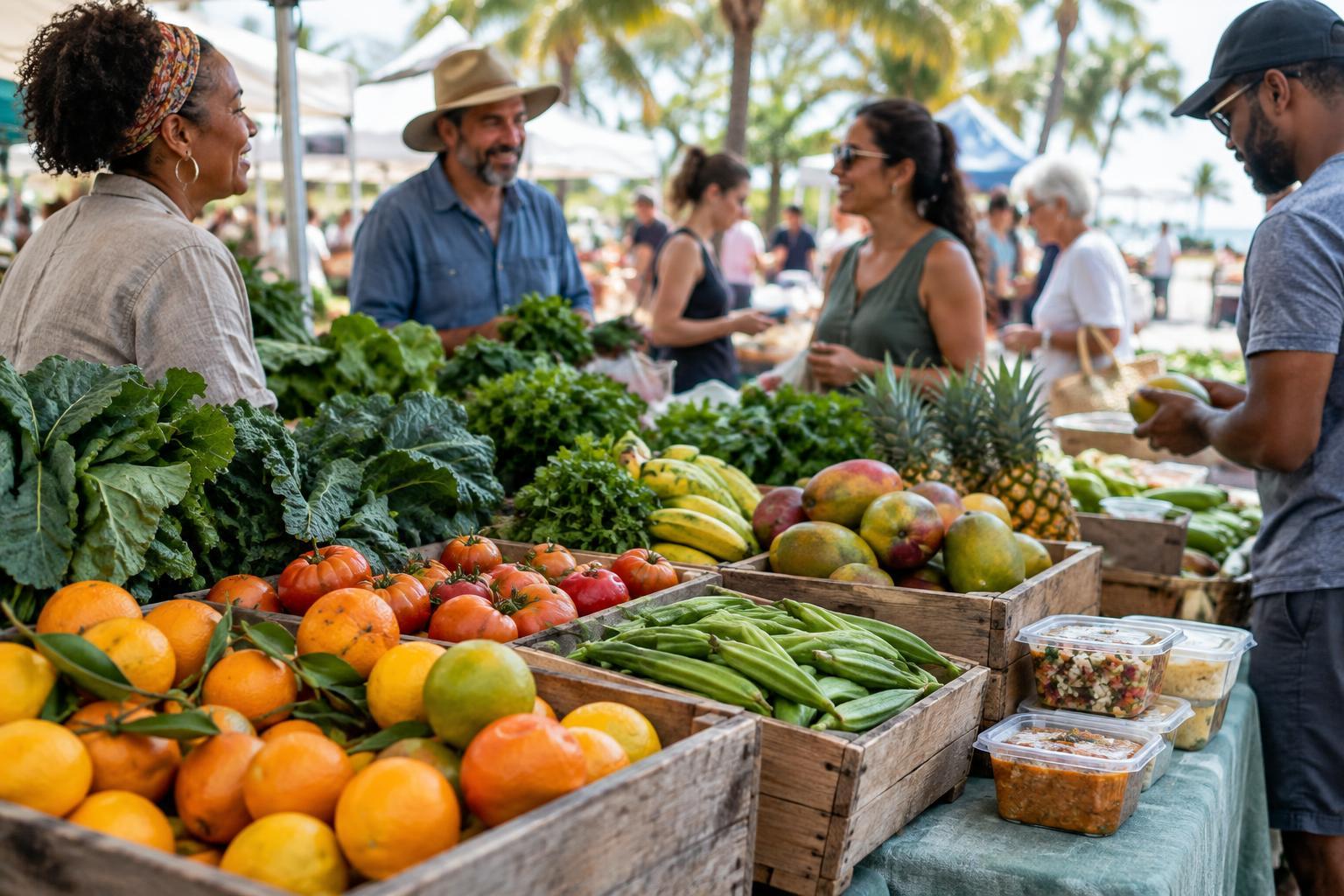
Markets are good places to notice how ingredients move between traditions. A familiar pepper, leafy green or root vegetable may be prepared in several ways by shoppers who learned to cook from different people. Seeing those ingredients on neighboring stalls does not mean their recipes are interchangeable. It does offer a chance to ask how a vendor suggests storing or preparing a purchase, especially if they have time to talk.
Shop with curiosity and ordinary courtesy. Read signs, ask prices before assuming them, and buy something if you want to support a vendor whose knowledge you value. A brief question such as “How do you like to cook this?” gives the seller room to share a personal preference without asking them to speak for a whole culture. If you want to photograph a person, stall or prepared dish, ask first. If the market is busy, save longer questions for a quieter moment.
Markets also change with weather, growing conditions and the people selling there. A single visit is a snapshot, not a complete map of what a region eats. Return when you can, and notice both what is new and what remains familiar.
Use precise language around recipes
When sharing a meal or writing about one, small choices in wording matter. “A recipe I learned from a neighbor in Tampa” says more than “a classic Florida recipe” if the dish has a wider history. “My version, using what I found at the market” makes room for substitutions without presenting them as traditional. If you know the name a cook uses for a dish, use it accurately; if you are unsure, ask rather than assigning a label based on appearance.
Recipes change for practical reasons as well as personal ones. A cook may replace an ingredient because it is unavailable, expensive, or simply not what their family likes. You can enjoy that adaptation while recognizing that another household may prepare the dish differently. Neither a restaurant menu nor one person’s kitchen can settle what an entire community cooks.
Look for the people behind the food
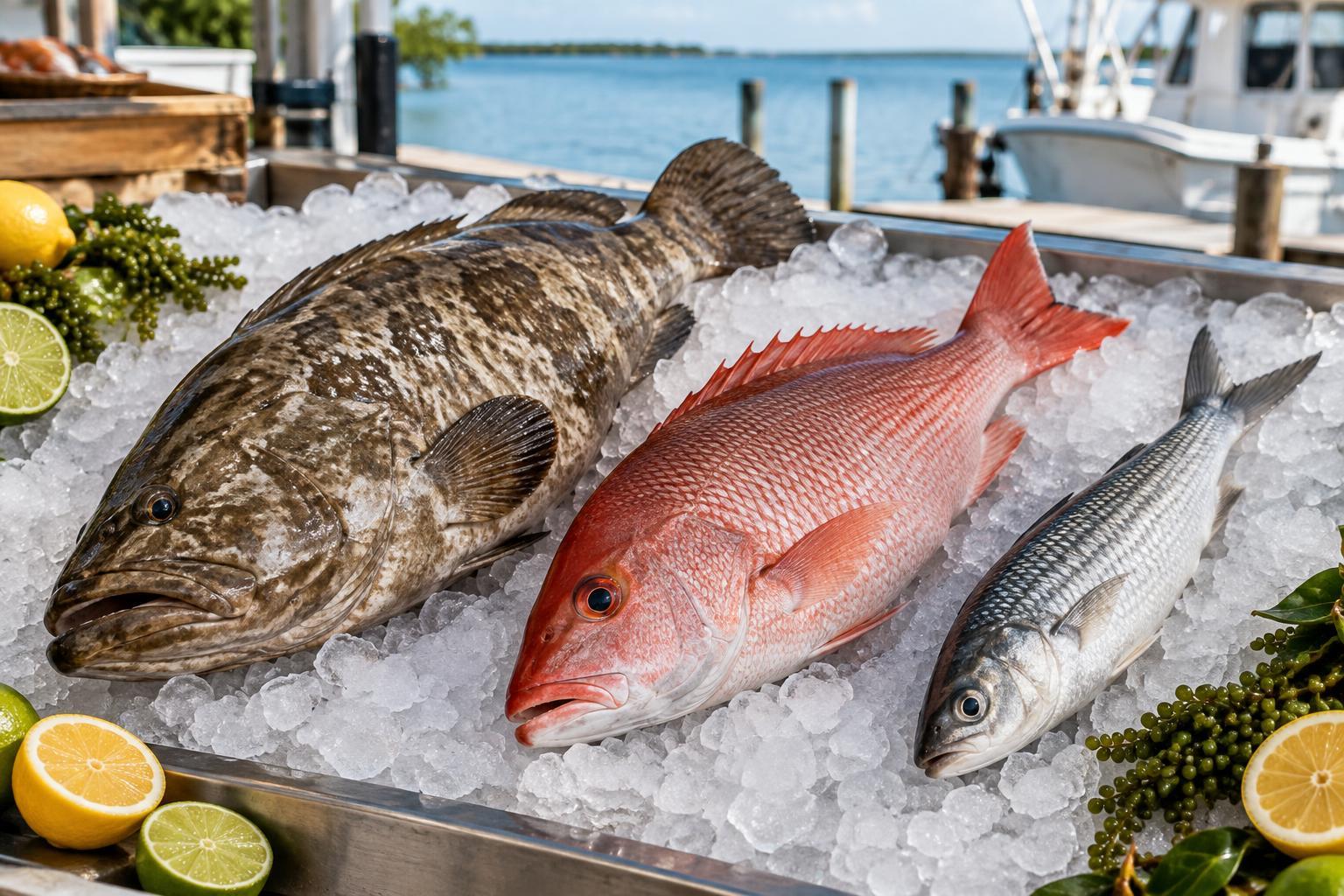
A regional food story becomes richer when it includes the work that brings ingredients to the table. Farmers and home gardeners make decisions about what to grow. Fishers and seafood sellers work with what is available and suitable to sell. Bakers, cooks and families preserve some methods while changing others. Paying attention to those roles helps keep a dish from becoming a detached symbol of a place.
It is especially important not to treat Indigenous foodways as a set of ingredients available for anyone to claim. Seminole and Miccosukee communities have their own living traditions and ways of sharing them. If you want to learn, seek out information or events those communities choose to make public, and follow their guidance about what can be photographed, repeated or described.
Build a more generous food itinerary
You do not need a definitive checklist to explore Florida food. Choose a neighborhood market, a produce item and a meal you can learn about with attention. Ask who made it, where an ingredient came from if the seller knows, and what you might try next. Follow those answers toward another place or perspective rather than trying to confirm a single idea of the state.
Keep notes that distinguish observation from assumption: “I bought this at a market” is different from “everyone here eats this.” At home, credit the person or community that introduced you to a preparation when you know who they are. The result may be a less tidy story about Florida food, but it will be a more useful one—full of particular places, cooks and connections.