A familiar food with room for variation
Grits are a familiar part of many North Florida kitchens. A bowl may be breakfast with eggs, a side at a family supper, or the base for a plate of seafood. That range is part of their appeal: ground corn cooked in liquid becomes a comforting dish without requiring a long list of ingredients. Yet grits are not merely a blank backdrop. The corn, the cooking liquid, the texture and the finishing touches all affect how they taste.
North Florida food culture draws on both Southern home cooking and the seafood traditions of nearby coasts and waterways. Grits fit easily into both. There is no single regional recipe that every household follows; some cooks prefer a loose, spoonable bowl, while others like grits thick enough to hold their shape. Thinking of grits as an everyday method rather than one fixed dish leaves space for those preferences.
From ground corn to the bowl
When shopping, it helps to know that grits come in different forms. Stone-ground grits tend to have a more varied texture and a pronounced corn flavor, but they usually need more time and attention. Quicker-cooking grits offer convenience for a weekday meal. Either can make a good bowl if cooked according to its texture and tasted before serving. Labels can also distinguish grits made from hominy, corn that has been treated before grinding, from other ground-corn products.
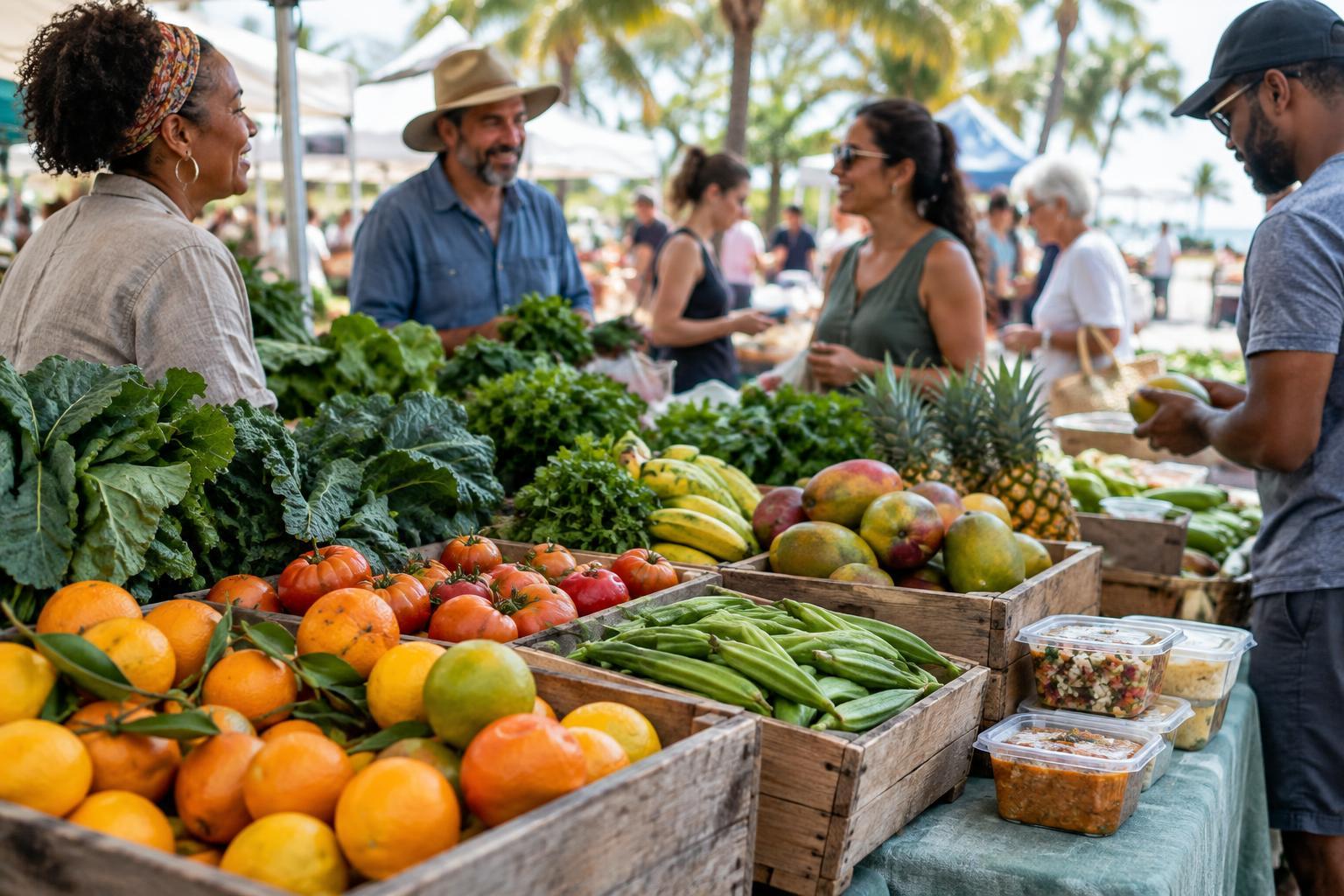
At a market, a bag of locally milled grits can be an opportunity to ask how coarse the grind is and how the mill recommends cooking it. If no guidance is available, start with the package directions, then adjust the liquid as the grains soften. Stirring helps prevent sticking, particularly as grits thicken. A little patience matters more than a complicated technique: grains that still taste hard or gritty may simply need more cooking time and liquid.
The everyday bowl
For a basic pot, cook grits in water, milk, broth or a combination, adding salt early enough for the grains to absorb some seasoning. Water lets the corn stand out; milk makes the result richer; broth can make a savory side feel more substantial. Add liquid gradually if the pot becomes too thick before the grits are tender. Once cooked, butter, a little cheese or a drizzle of good oil can round out the flavor without covering up the corn.
That pot can support a simple meal. Spoon soft grits alongside eggs and sautéed greens, or serve them with leftover vegetables warmed in a skillet. Tomatoes, peppers and tender greens can add freshness and contrast when they are available at the market. Keeping the base fairly simple makes it easier to use what is on hand rather than treating grits as a dish that calls for one particular topping.
Why seafood and grits work together
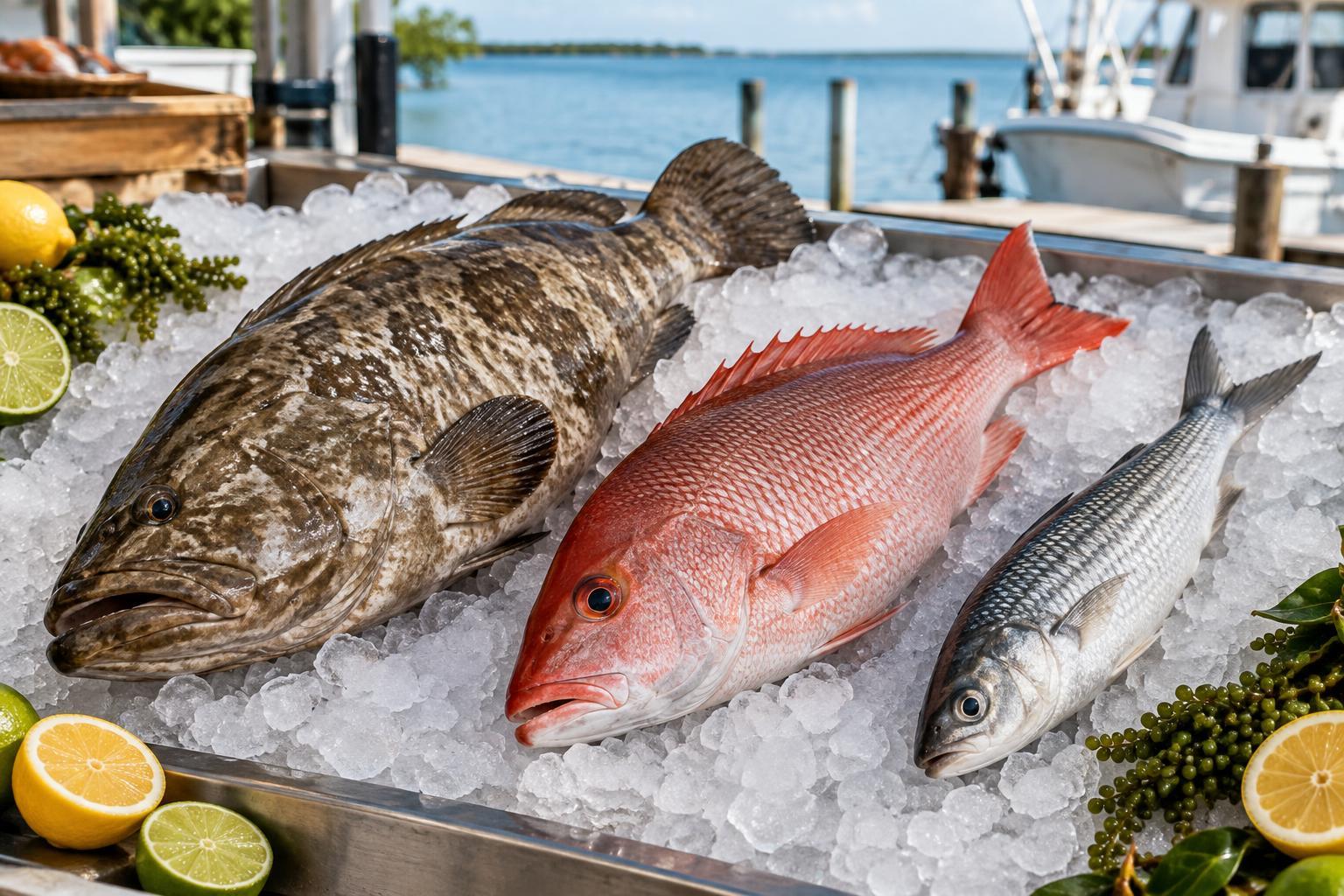
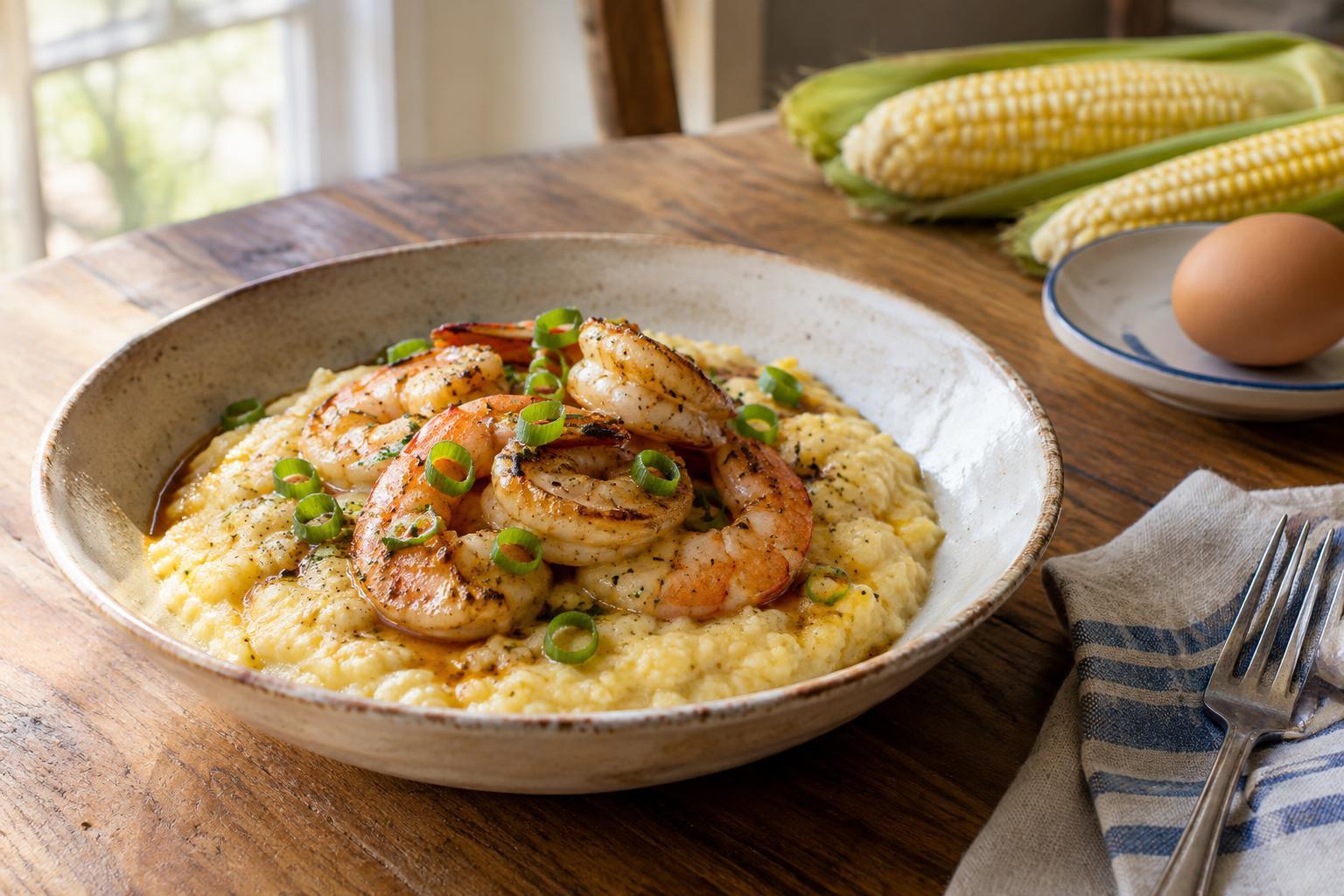
Shrimp and grits may be the best-known pairing, but the idea extends beyond shrimp. Mild, creamy grits balance seafood that has been seared, simmered or cooked with a little spice. They also catch pan juices that might otherwise stay on the plate. For a North Florida-inspired supper, the useful starting point is not a rigid formula but a contrast: tender corn beneath seafood with some savory depth, brightness or both.
Try cooking shrimp in a skillet with onion or scallions, garlic and a small amount of butter or oil. A splash of water or broth can loosen the browned bits in the pan and make a light sauce. Spoon it over freshly cooked grits and finish with lemon. Fish can work, too: serve a simply cooked fillet over grits with sautéed greens or tomatoes alongside. Cook seafood thoroughly, and let its flavor remain clear rather than burying it under a heavy sauce.
Making the pairing your own
A good seafood-and-grits plate depends on balance. If the topping is salty or strongly seasoned, keep the grits restrained until you taste everything together. If the seafood is delicate, give the grits enough seasoning to be satisfying on their own. Texture matters as well: grits continue to thicken as they stand, so loosen them with a little warm liquid just before serving if they have become stiff.
The same flexibility that makes grits useful at breakfast makes them suited to a market-driven dinner. Choose a grind you enjoy, cook it until tender, and build the rest of the plate around the produce and seafood available to you. In North Florida, grits can be both a practical pantry staple and a way to bring distinct local food traditions together at one table.