A regional dish is not always a local catch
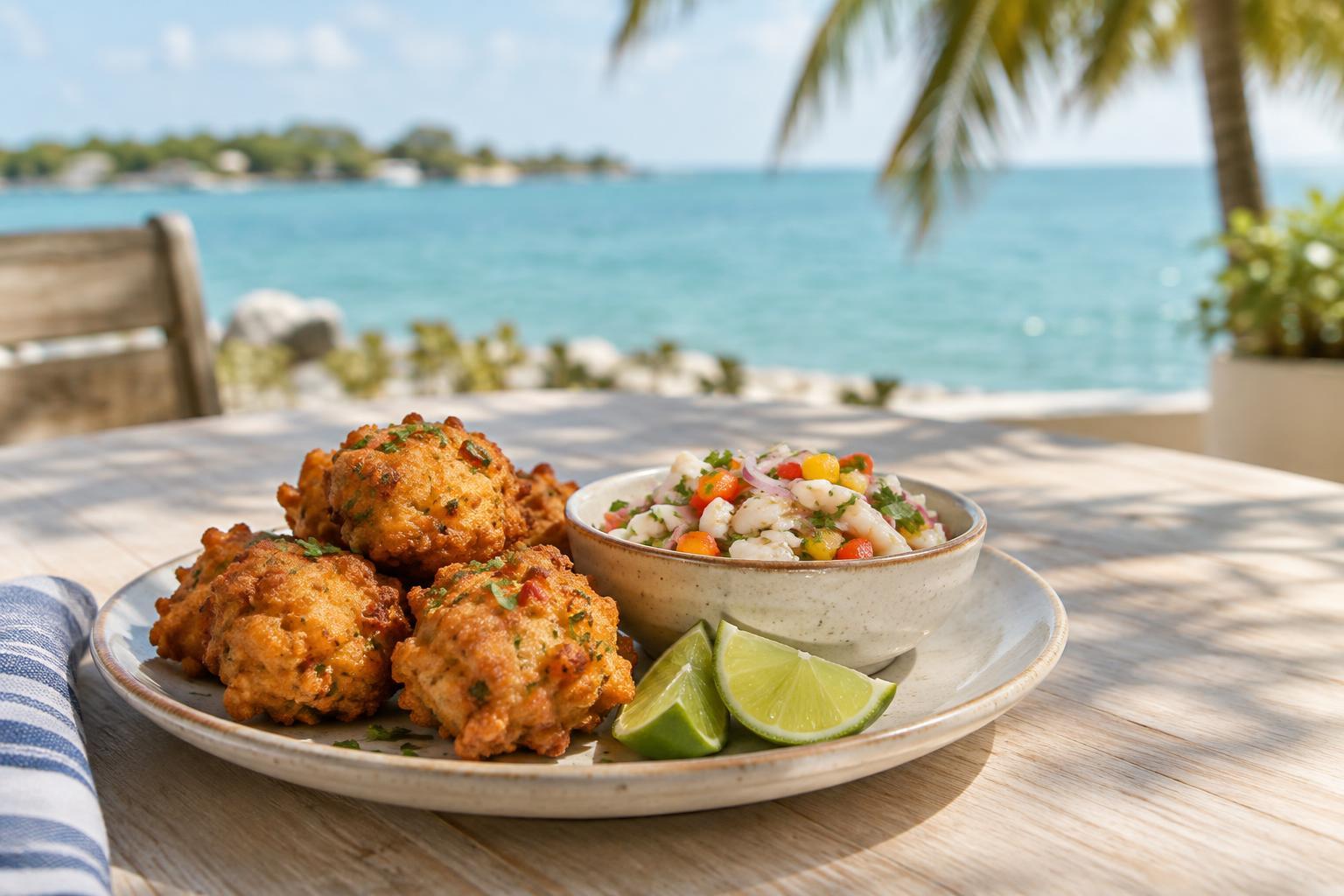
On a Florida menu, conch often signals a style of cooking rather than a place of harvest. Conch fritters, chowder, salad and cracked conch are associated with coastal food traditions, especially in South Florida and the Keys. Their place on a menu can reflect the people who brought those recipes to Florida, the cooks who adapted them and the diners who continue to enjoy them.
That cultural connection is real even when the shellfish came from outside the state. A restaurant can prepare a distinctly Florida dish with an ingredient purchased through a seafood supplier, just as a bakery can make a regional specialty with flour milled elsewhere. The important distinction is between where a dish belongs in a community’s food culture and where its ingredients originated.
What the word “conch” can—and cannot—tell you
Conch is a common name used for certain large marine snails. On a menu, the word alone may not identify the species, its harvest location or whether the restaurant received it fresh or frozen. A dish name such as “Key West conch fritters” might describe a recipe or serving style; it is not, by itself, a statement that the conch was collected near Key West.
Conch can also pass through several hands before reaching a kitchen. A restaurant may buy prepared meat rather than whole shellfish, making its supplier’s information more useful than the dish name when a customer asks about origin. None of this makes the food less meaningful as regional cooking. It simply means the menu description and the ingredient’s journey answer different questions.
Why local harvesting is not a safe assumption
Queen conch, the species many diners have in mind when they hear “conch,” has been subject to harvest protections in Florida. Seafood rules can differ by species and location, and they can change. For that reason, it is especially unwise to infer from a Florida address that a restaurant’s conch was harvested in nearby waters.
Restaurants serving conch may obtain it through suppliers whose products come from other places, including parts of the Caribbean. Availability, processing and purchasing arrangements can vary from one kitchen to another. Rather than guessing from proximity to the sea, treat origin as a separate detail to confirm. A waterfront table offers a view of local waters, not proof that every seafood ingredient came from them.
Questions worth asking at the table
If origin matters to you, ask a specific, open-ended question: “Do you know where the conch in this dish was harvested?” You can also ask what kind of conch it is and whether the menu’s place name refers to the recipe or the ingredient. A server may need to check with the kitchen or supplier, and the answer may not be available for every batch.
Keep the questions separate. “Is it locally prepared?” asks where the cooking happens. “Is it locally harvested?” asks where the animal came from. “How is it sourced?” invites a broader conversation but may produce a broad answer. If a restaurant cannot confirm an origin, it is reasonable to leave it as unknown rather than assume either that it is local or that it is not.
The same approach works beyond conch. Regional dishes often travel with communities, while ingredients move through changing supply chains. Clear questions help you appreciate a kitchen’s traditions without asking its menu to provide information it never claimed to provide.
Enjoy the tradition with clearer expectations
Conch dishes can tell a story about Florida’s connections with neighboring islands and coastal communities. That story is about people, preparation and shared tastes as much as it is about seafood. A fritter’s seasoning, a chowder’s texture or a salad’s bright citrus dressing may reflect a kitchen’s interpretation of a familiar tradition.
You do not need to know an ingredient’s exact journey to enjoy a meal. But if you are seeking Florida-harvested seafood specifically, look for an explicit origin statement and ask for clarification before ordering. If you are exploring regional food culture, you can appreciate conch as part of the menu’s culinary heritage while remaining curious about where the shellfish itself came from. Both perspectives make room for a more informed—and more interesting—meal.