Start with climate, not a statewide calendar
A planting guide labeled “Florida” can be useful, but it cannot describe every Florida garden. Winter cold is the clearest regional difference: freezes are more likely in the north, less common in central areas, and uncommon in much of the far south. Summer brings another shared challenge. Heat, humidity, heavy rain, and pest pressure can make vegetables that thrive elsewhere in summer difficult to grow here.
Think of North, Central, and South Florida as starting points rather than strict boundaries. A protected urban yard may stay warmer than an open rural plot nearby. Coastal exposure, elevation, shade, and poorly drained soil can also change what succeeds. Before planting, note where water collects, how much direct sun each bed receives, and whether your yard has experienced frost. Use that local picture to adjust any regional schedule.
North Florida: work around winter freezes
North Florida gardeners often have a recognizable spring-to-fall warm season, interrupted by the possibility of winter freezes. Cool-season vegetables such as kale, cabbage, broccoli, carrots, and lettuce can be rewarding in fall and winter, though a hard freeze may call for protection. Start cool-weather crops as temperatures ease after summer, and avoid assuming that every winter week will be frost-free.
For frost-sensitive crops, spring planting depends on local conditions rather than a single calendar date. Tomatoes, peppers, beans, and squash need warmth, but planting too early can leave young plants vulnerable to cold nights. Some gardeners also grow a fall crop of tomatoes or beans after the fiercest summer heat begins to ease. That window can feel short: plants need enough time to establish and produce before cold weather returns.
Central Florida: make room for two shoulder seasons
Central Florida sits between northern frost patterns and the longer warm season farther south. Cool-season crops commonly fit well from fall into winter. Spring is another valuable planting period, especially for tomatoes and other vegetables that prefer warmth without the most intense summer conditions. An occasional cold spell can still damage tender plants, so keep a way to cover them when forecasts call for frost.
Summer is not necessarily a break from gardening, but it often calls for different crops. Okra, sweet potatoes, and some heat-tolerant beans are better candidates than lettuce or broccoli during hot, humid weather. A second planting of certain warm-season vegetables may be possible as conditions moderate in fall. Watch the weather and the crop’s time to harvest: a late start can leave fruiting plants facing cooler nights before they produce much.
South Florida: use the milder months
In much of South Florida, winter is a prime season for vegetables that struggle with summer heat. Lettuce, carrots, brassicas, and tomatoes can make good use of the milder months. Frost is less frequent than it is farther north, but it is not impossible everywhere; inland gardens may have different risks from nearby coastal ones. Check your own garden’s conditions before treating a tender crop as safe outdoors all winter.
South Florida’s summer can be a demanding season for familiar temperate vegetables. Strong heat and frequent rain may encourage rapid growth while also making drainage, disease prevention, and insect monitoring more important. Gardeners who want to keep beds productive can try crops suited to hot conditions, including okra and sweet potatoes, or use the season to improve soil and prepare for fall planting.
Build a flexible planting plan
Whichever region you garden in, group crops by the conditions they need. Reserve the coolest stretch for leafy greens, roots, and many brassicas. Put frost-sensitive, heat-loving crops into reliably warm periods, while remembering that some—including tomatoes—may set fruit less readily during the hottest weather. If you are new to a crop, plant a small amount first and keep notes on when it germinates, flowers, and produces in your yard.
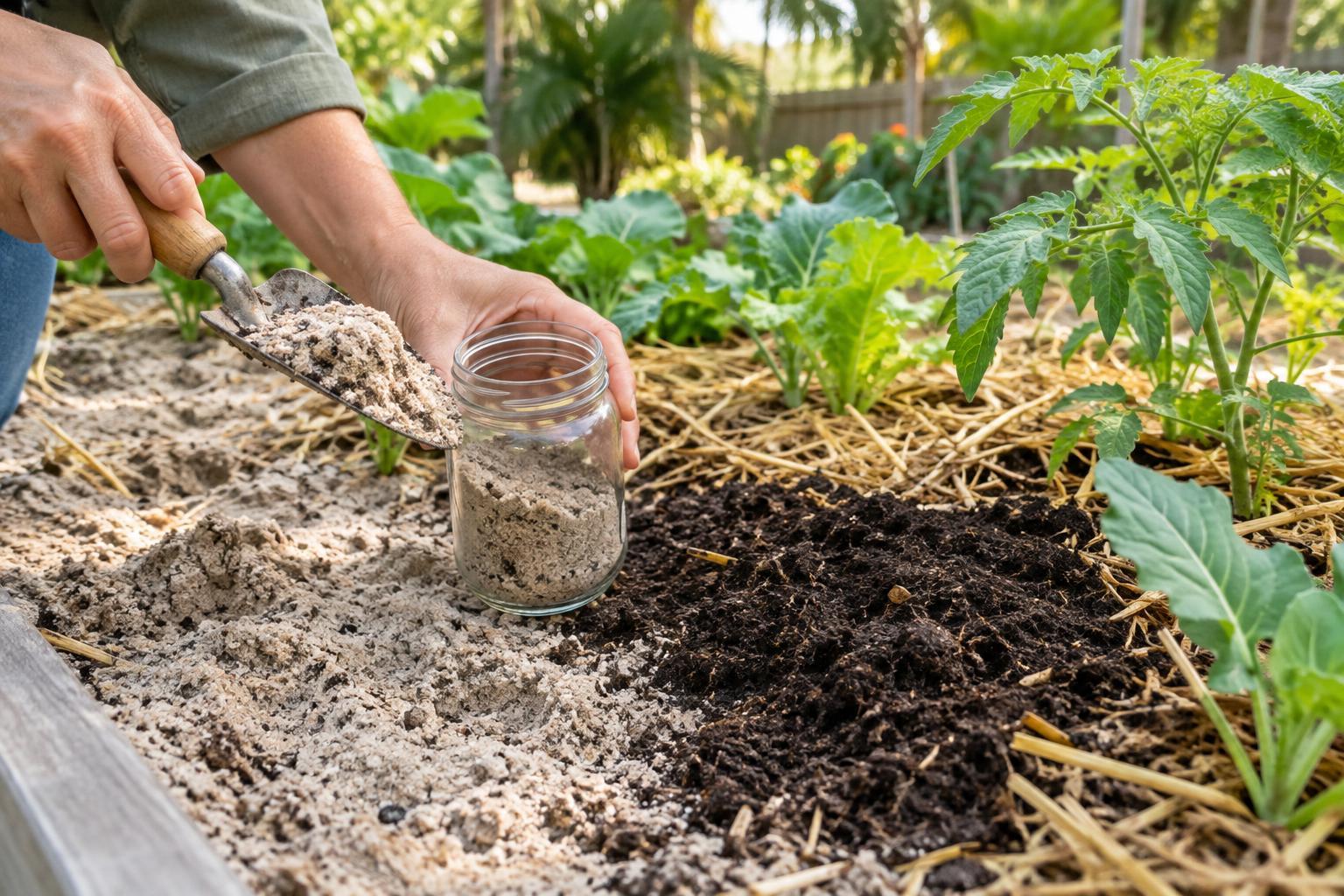
Good soil care helps in every region. Add organic matter to support sandy soil, mulch to moderate soil moisture, and water according to what the soil needs rather than a fixed habit. In rainy periods, avoid leaving roots in standing water; in dry spells, check moisture beneath the surface. Regional advice gives you a useful first draft of a planting calendar. Your observations, season by season, turn it into one that fits your garden.