A stop that becomes part of the journey
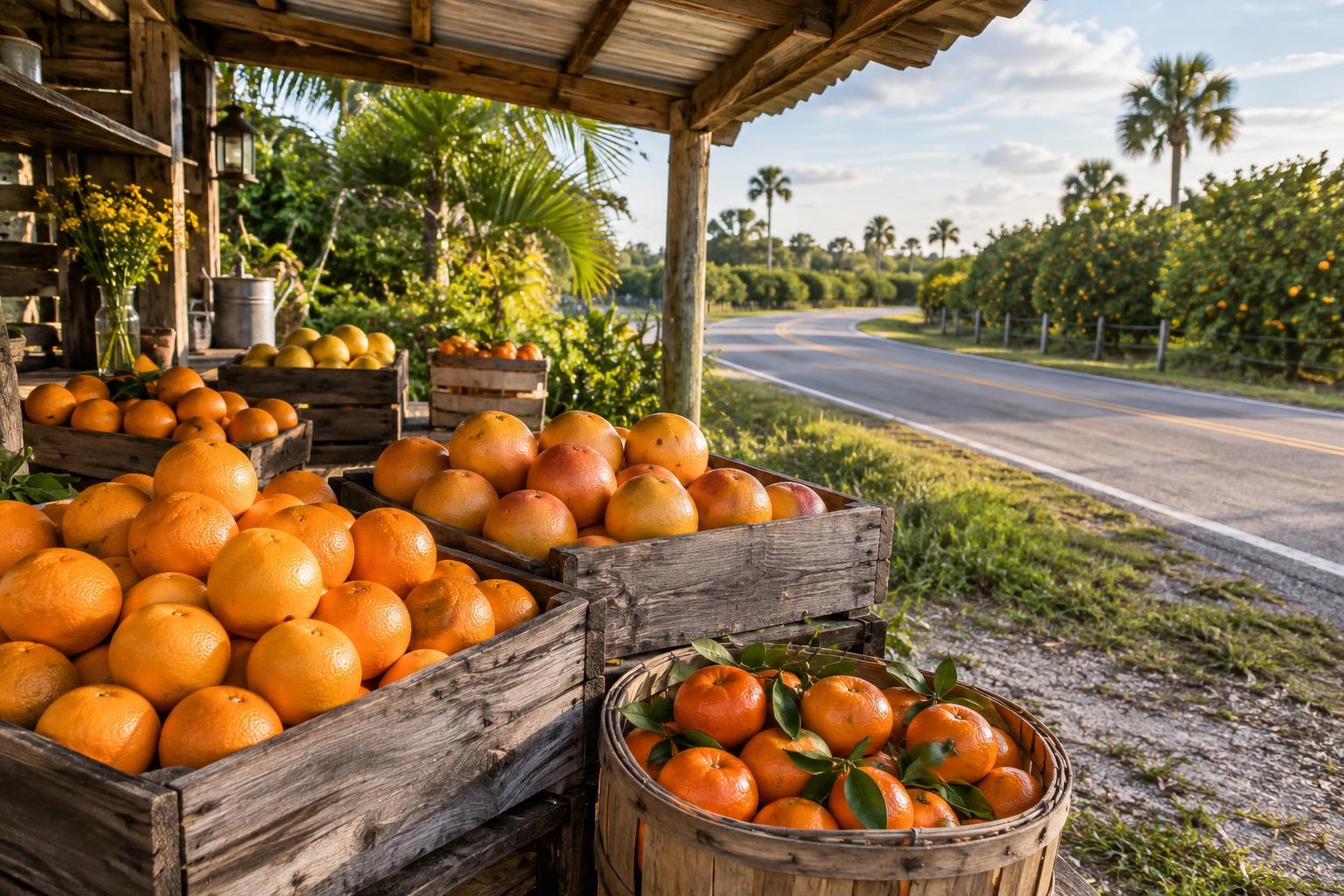
For many travelers, a roadside citrus stand is a distinctly Florida sight: fruit arranged near the road, a hand-lettered sign, and an invitation to pull over rather than drive past. The stop can be brief, but it changes the pace of a trip. Instead of meeting citrus only as juice or a supermarket display, visitors encounter it as fruit to choose, carry home and share.
These stands occupy a space between shopping and travel. They may appeal to people looking for something to eat that evening, a gift for someone back home or a small reminder of a place they passed through. For residents, stopping at a familiar stand can be an ordinary errand. Both experiences help explain why the roadside stand remains a recognizable part of Florida’s food culture: it makes produce feel connected to a particular journey.
Citrus as a Florida symbol—and a real ingredient
Citrus appears in Florida imagery so often that it can seem like a souvenir first and a food second. At a stand, its everyday uses come back into focus. An orange can be peeled over the sink, packed for a drive or cut into a salad. A grapefruit can become breakfast, while lemons or limes can brighten a dressing, a pot of beans or a glass of water.
Florida’s citrus story is broader than any single variety or flavor. Depending on the stand and what is available, shoppers might encounter fruit suited to eating out of hand, squeezing or cooking. Color alone does not tell the whole story of how a citrus fruit will taste, so it helps to ask which varieties are sweet, tart or especially juicy. Thinking of citrus as an ingredient, not just an emblem, opens up more ways to enjoy a purchase after the trip ends.
What a stand can tell you about place
A roadside stand can bring shoppers closer to the people who select and sell their food, but its setup does not automatically tell you where every item was grown. Some stands may offer produce from nearby growers; others may carry fruit or prepared goods from more than one source. If local origin matters to you, ask where a particular batch came from rather than relying on the appearance of the stand or the wording of a sign.
That conversation can be part of the pleasure of stopping. A seller may be able to suggest fruit for juicing, explain the difference between two available varieties or point out which pieces are ready to eat soon. Questions also make room for a fuller picture of Florida food culture—one shaped not only by growers, but by sellers, home cooks, travelers and the different communities that have made citrus their own in the kitchen.
Shopping thoughtfully at the roadside
Start by looking at the fruit and considering when you plan to use it. Choose pieces that feel substantial for their size and avoid fruit with obvious soft or damaged spots. A mark on the peel does not necessarily mean the fruit inside is poor, so ask if you are unsure. If samples are offered, they can help you decide what you enjoy; if not, a small first purchase leaves room to try something unfamiliar without committing to a large bag.
Read labels carefully on juices, marmalades, candies and other packaged goods. A citrus-themed product is not necessarily made from fruit grown at the stand, and ingredients or storage needs may differ from what you expect. Bring a bag that will protect fruit from being crushed, and avoid leaving your purchase in a hot car longer than necessary. Stand hours and offerings can change, so check details before making a special trip.
Bringing the stop home
The cultural value of a roadside stand does not end when you drive away. Sharing a bag of citrus can turn a travel stop into a family snack or a conversation with a neighbor. A few pieces set aside for cooking can extend that memory through the week: add segments to a leafy salad, squeeze juice over roasted vegetables or use a little zest to lift a simple cake. Wash fruit before cutting or zesting it, and use only the colored outer peel when you want to avoid bitterness.
No single stand can represent all of Florida, and citrus is only one part of the state’s varied food traditions. Still, a thoughtful stop offers a small way to pay attention: to season, flavor, origin and the person across the counter. That combination of travel, conversation and practical cooking helps explain why roadside citrus stands hold a place in Florida’s food culture beyond the fruit they sell.