Start with Florida’s seasons, not the seed packet
In much of Florida, the hardest part of growing tomatoes is not getting the plants to grow. It is giving them mild enough weather to set fruit before intense heat or a cold spell interrupts the crop. A seed packet’s planting advice may assume a northern summer, so treat it as a guide to the plant’s needs rather than a Florida calendar.
Your best window depends on where you live. North Florida gardeners often plan around the last risk of frost for a spring crop and may try a fall crop after the hottest weather eases. Central Florida offers a longer cool-season window, though occasional cold nights still matter. In South Florida, the milder months are generally more favorable than peak summer. Check your local frost patterns and short-term forecast before setting out transplants; a warm afternoon does not rule out a damaging overnight chill.
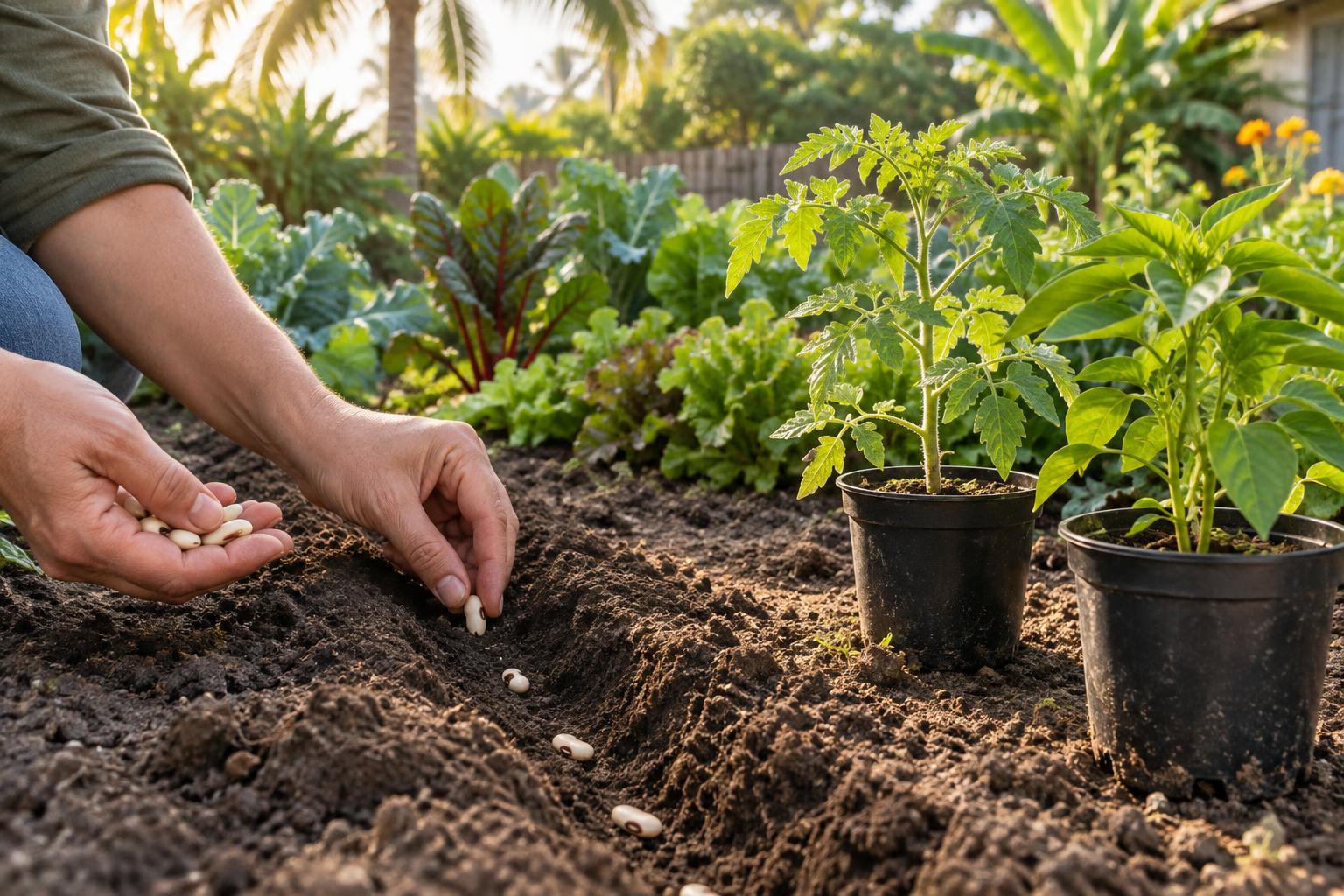
If starting from seed, allow time to raise sturdy young plants before your intended outdoor planting window. Buying transplants can simplify the schedule. Look for compact plants with healthy leaves rather than tall, crowded seedlings already carrying fruit.
Choose a spot and variety you can manage
Tomatoes need generous sunlight, but a sunny site also needs workable soil and access to water. Choose a place where water can drain after heavy rain. In a bed, add organic matter where needed and avoid planting into persistently soggy ground. A large container with drainage holes can be useful if garden soil is difficult or space is limited, though pots dry out faster in warm, breezy weather.
Variety choice affects both your workload and your chances of harvesting before conditions turn difficult. Determinate tomatoes stay more compact and tend to produce over a shorter period; indeterminate types keep growing and need taller, stronger support. Small-fruited tomatoes may continue setting fruit under conditions that frustrate some large-fruited types, although none is immune to heat. Disease-resistance information on a plant label can help you compare options, but it is not a promise that a plant will remain trouble-free.
Give plants enough room for air to move through the foliage. Crowding makes inspection harder and can keep leaves damp longer after rain or watering. If you have grown tomatoes in the same spot before and struggled with soil-related disease, a fresh location or clean potting mix in a container may be worth trying.
Put supports in place early
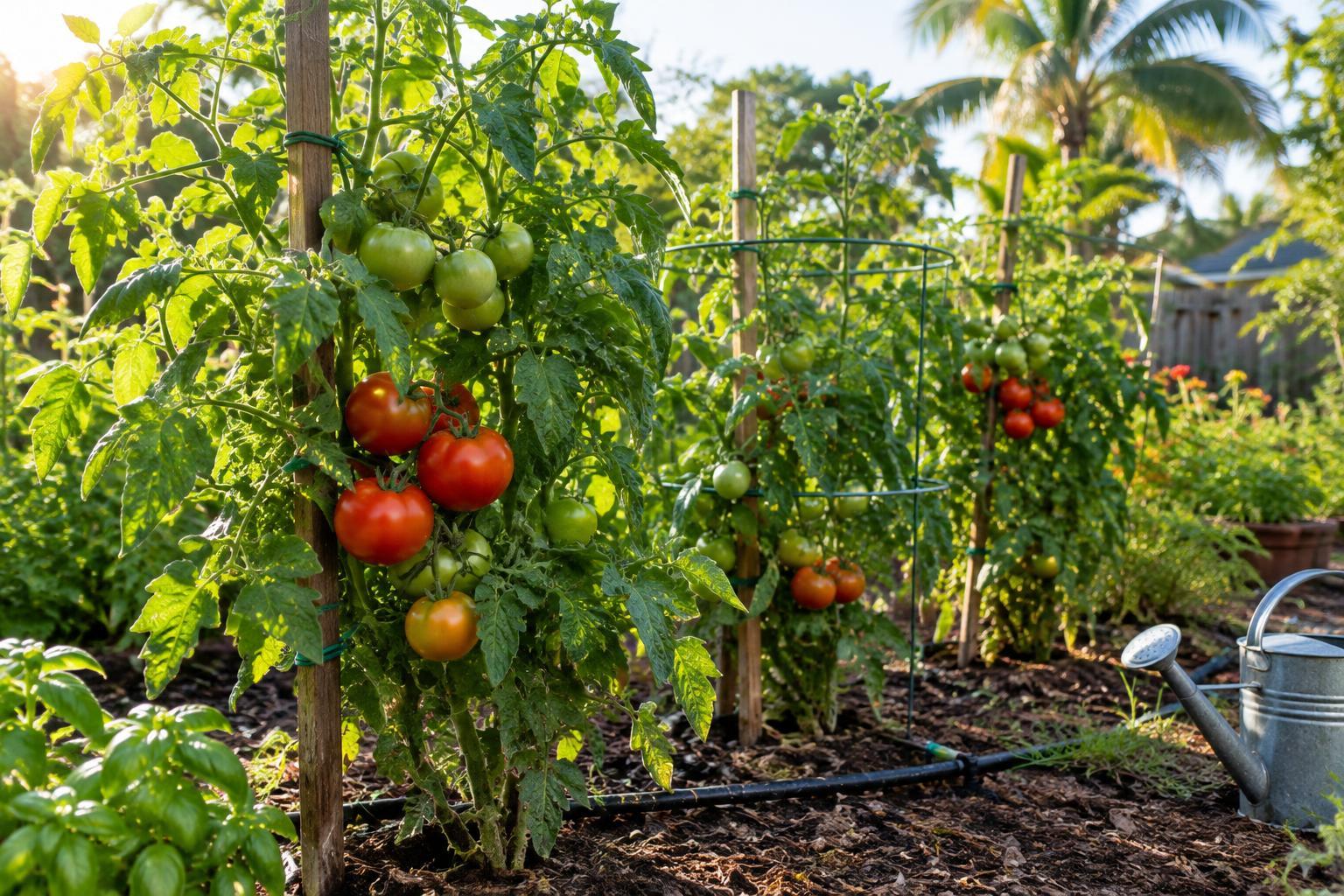
A tomato plant can become surprisingly heavy once it carries fruit, especially after a storm soaks its leaves. Install a sturdy cage, stake, or trellis at planting time, before pushing a support into the soil risks disturbing established roots. Anchor it well enough to handle wind, and allow for the mature size of the variety you chose.
Tie stems loosely with soft material as they grow, leaving space for them to thicken. Keep developing fruit off the ground where practical. Indeterminate plants may benefit from occasional pruning to keep growth manageable, but there is no need to strip away most of their leaves: foliage shades fruit and helps the plant grow. Remove damaged or clearly diseased leaves with clean tools, and avoid handling wet plants when possible.
Manage moisture as carefully as heat
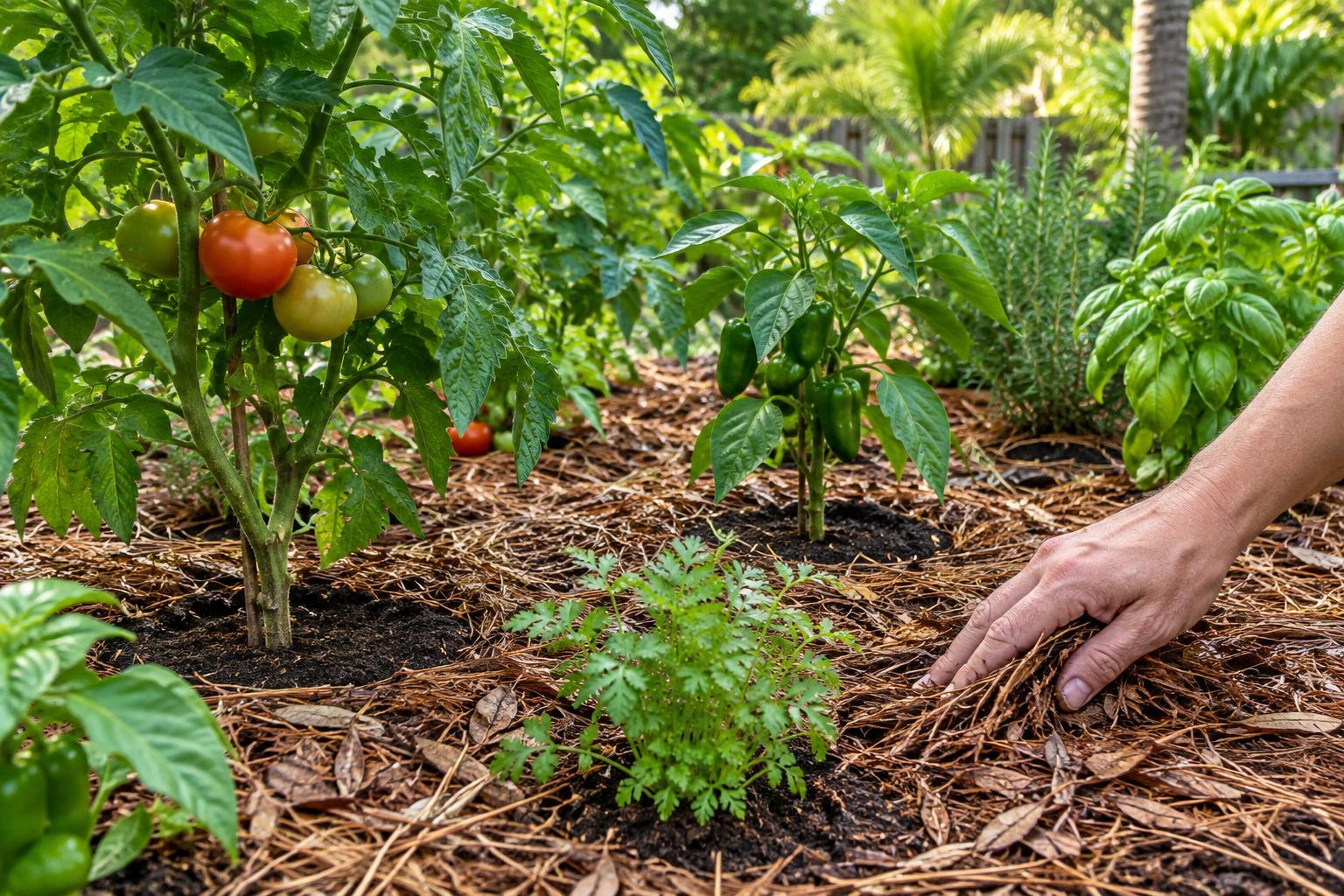
Consistent watering helps tomatoes more than repeated cycles of very dry soil and sudden soaking. Water the soil deeply, then check its moisture before watering again; containers may need attention more often than beds. Aim water toward the roots rather than routinely wetting the leaves. A layer of mulch, kept slightly back from the stem, can slow drying and reduce soil splashing onto lower foliage.
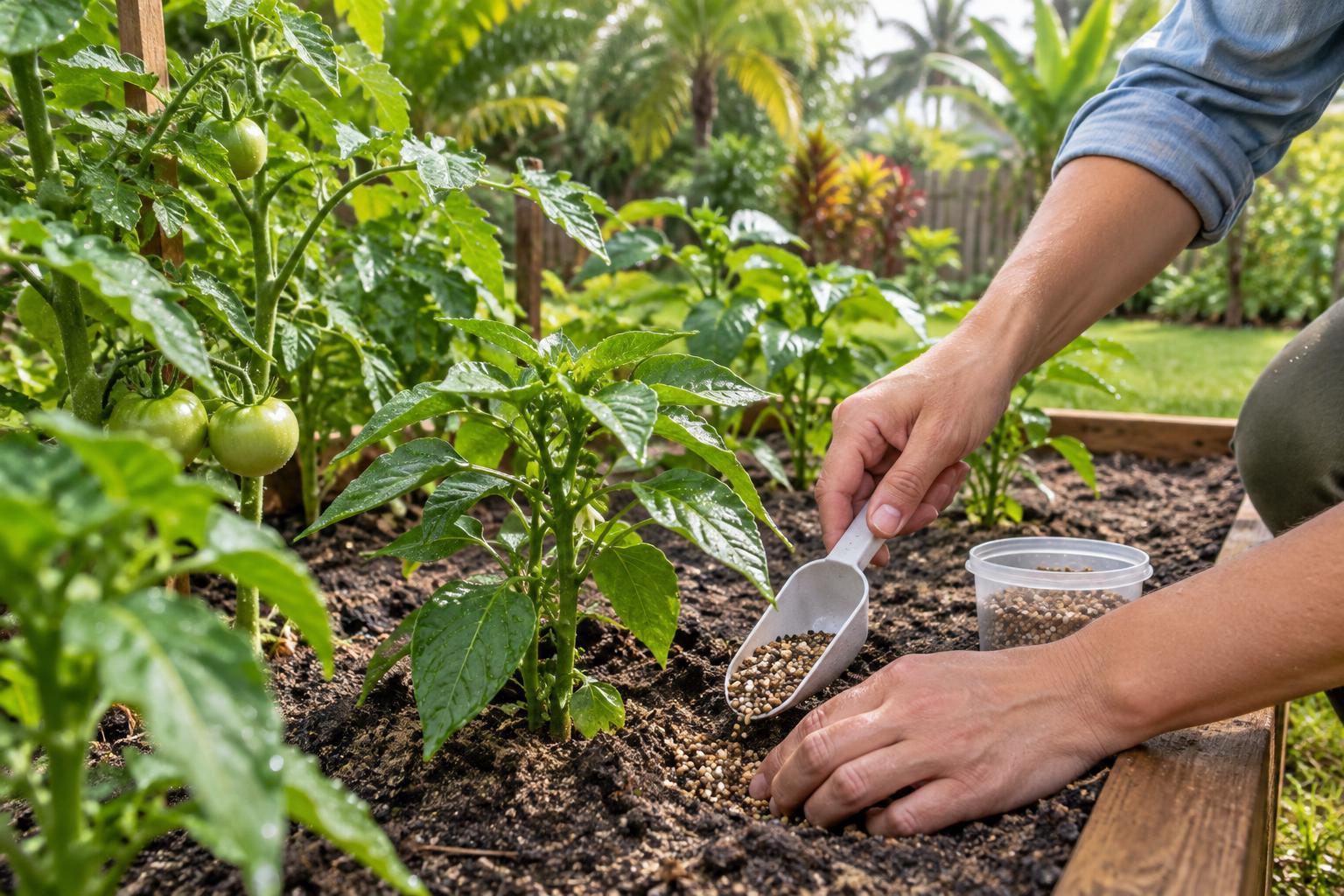
Feed plants according to the directions for the fertilizer you choose, rather than assuming more will mean more fruit. Excessive feeding, particularly with nitrogen, can encourage leafy growth at the expense of a balanced crop. If fruit develops dark, sunken patches at the blossom end, review watering consistency first. Such problems can have several contributing factors, and adding a supplement without understanding the cause may not help.
Expect pauses, and keep an eye on the plants
When days and nights become too hot, tomato flowers may drop without setting fruit. That does not necessarily mean you have done anything wrong. Keep the plant watered and supported, and recognize that production may improve when temperatures moderate. In containers, try to prevent roots from baking in the afternoon sun while keeping the foliage in a bright position. Shade can ease extreme exposure, but too little light will also limit growth.
Inspect leaves, stems, and fruit regularly so small problems do not go unnoticed. Remove fallen fruit and badly affected plant material, and watch for insects or leaf damage before deciding whether any intervention is needed. If a plant declines, note when it happened and what the weather and watering were like. Those observations can help you adjust your next planting window. Florida tomato growing is often a matter of fitting the crop to the season, then making small, steady choices while it grows.