A food culture carried by communities
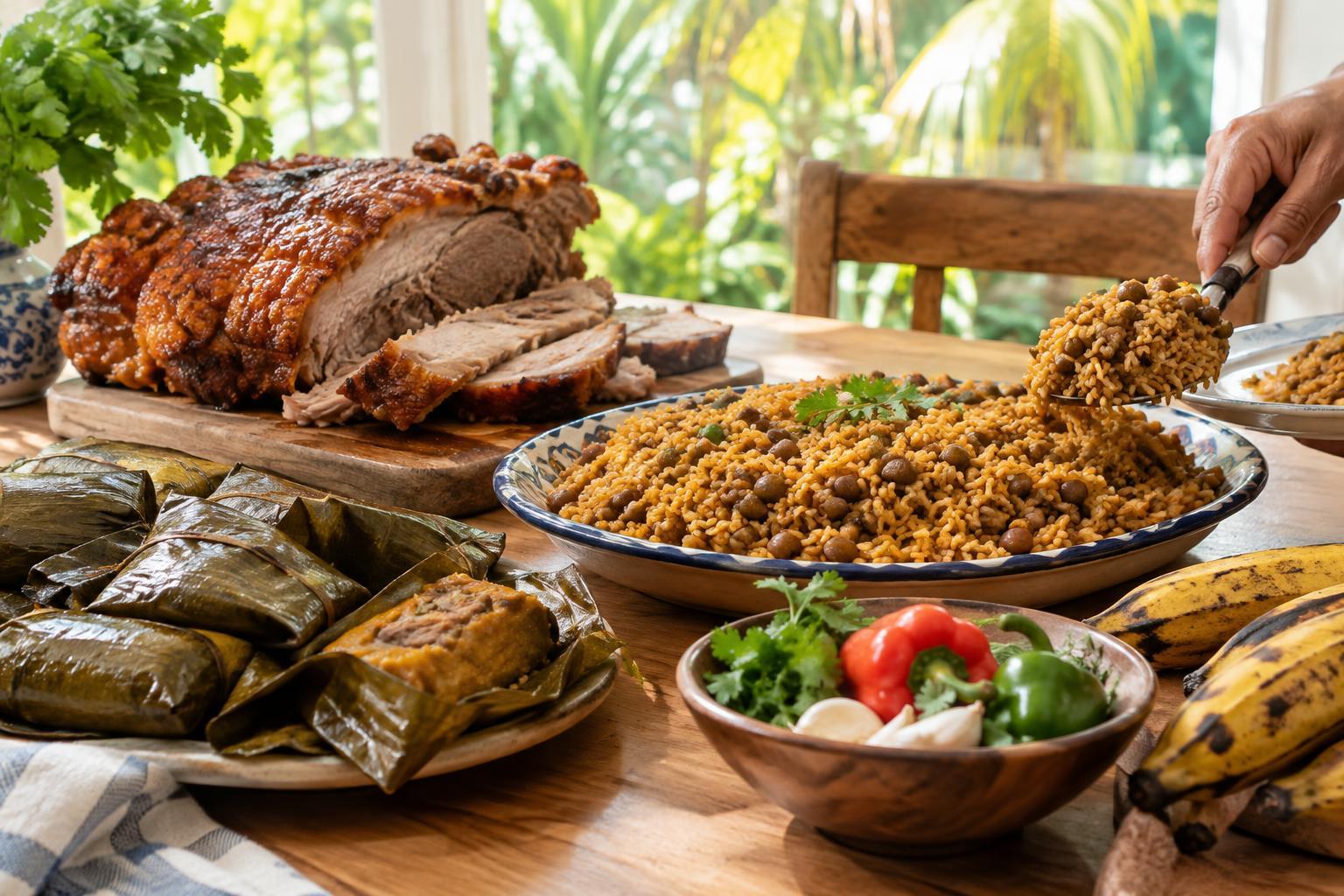
Haitian food is woven into South Florida through the people who cook, sell, share and teach it. In home kitchens, markets, bakeries and restaurants, familiar dishes can offer a connection to family while introducing neighbors to new flavors. Little Haiti in Miami is an important part of that story, but Haitian food culture extends well beyond any one neighborhood.
It is tempting to describe a regional cuisine through a short list of signature dishes. That list can be a starting point, but it cannot capture how families adapt recipes to their tastes, budgets and available ingredients. Some meals are prepared for celebrations; others are everyday food. Both matter to the culinary landscape. Looking beyond restaurant menus helps reveal the roles of home cooks, small businesses and community gatherings in keeping traditions active.
Ingredients that connect markets and kitchens
A shopper interested in Haitian cooking may encounter plantains, beans, rice, cabbage, carrots, citrus, herbs, peppers and root vegetables at South Florida markets and groceries. Many of these ingredients belong to several culinary traditions in the region. What makes a dish Haitian is not the presence of one ingredient alone, but how ingredients are selected, seasoned, combined and served.
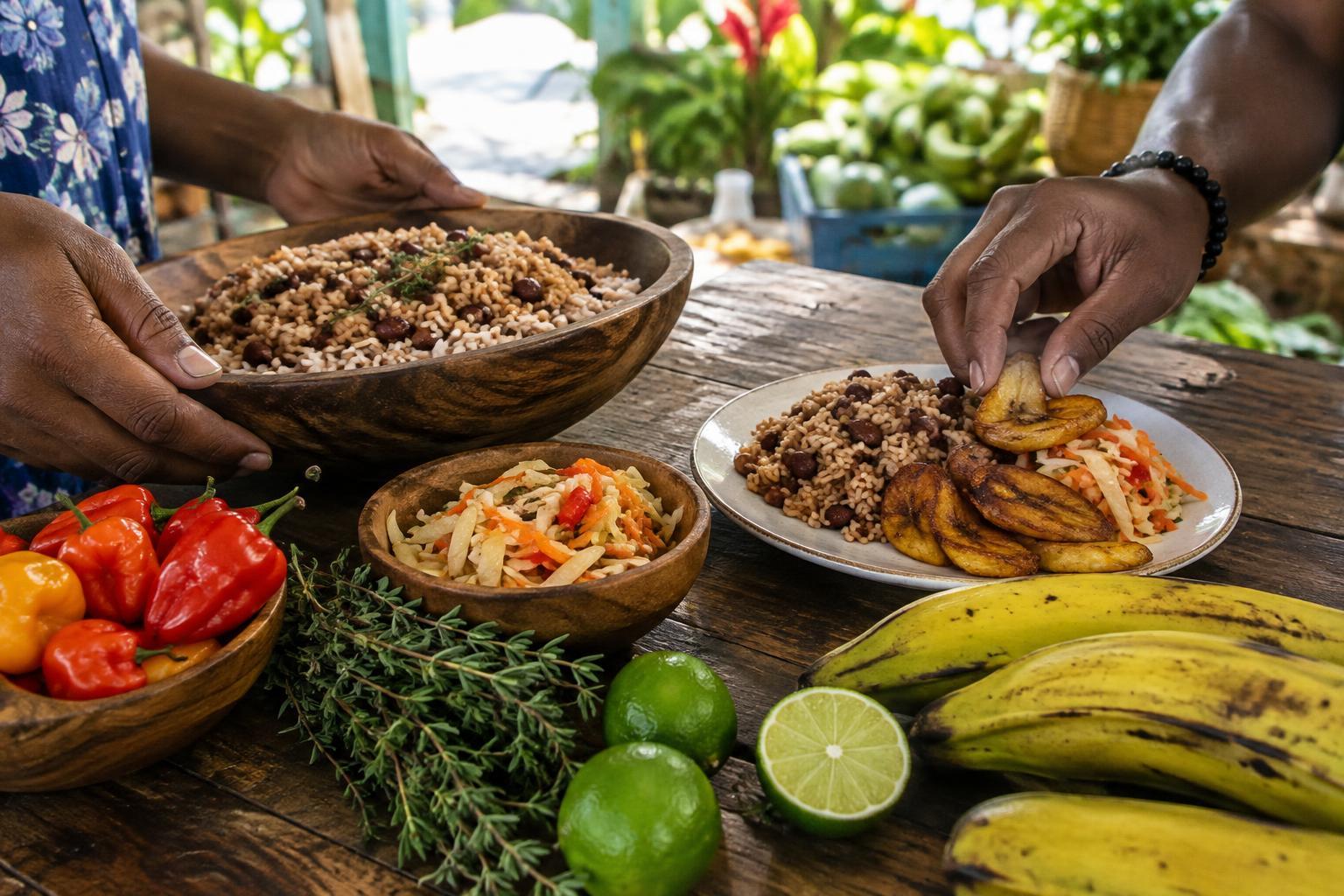
Epis is one useful example. This aromatic seasoning base commonly brings together ingredients such as herbs, garlic, peppers and onion, though its contents and texture vary by cook. It can flavor beans, meats and other savory dishes. Pikliz, a tangy, peppery mixture often made with shredded cabbage and carrots, adds a sharp contrast to richer foods. For a market shopper, these preparations show how a modest basket of produce can become several distinct flavors through chopping, blending, marinating and pickling.
Dishes with more than one story
Griot, often made with seasoned pork, is frequently served with pikliz and fried plantains. Diri kole ak pwa, rice cooked with beans, is another familiar part of many meals. Soup joumou holds particular cultural significance through its association with Haitian independence. These foods offer a way into Haitian culinary traditions, but no single dish represents every Haitian household or every occasion.
Paying attention to how a meal is assembled can be as rewarding as learning a dish’s name. A bright condiment may balance a savory main course; beans and rice may provide a comforting foundation; plantains can bring sweetness or crispness depending on their ripeness and preparation. Recipes also change between households. Asking what a cook’s version includes, rather than assuming there is one definitive method, makes room for that variety.
Where traditions meet South Florida
South Florida’s food culture grows through exchange among people with different histories and tastes. Haitian cooks work with ingredients available locally while maintaining techniques and preferences learned from family and community. Markets make some of those connections visible: produce stands, spice shelves and prepared-food counters can serve shoppers cooking many kinds of meals from overlapping ingredients.
Exchange does not mean every dish is interchangeable. A pepper or plantain may appear in several Caribbean cuisines, yet the seasoning, preparation and place it holds at the table can differ. Describing those differences with care is more useful than labeling all Caribbean food as one style. It also leaves space to notice how Haitian businesses and cooks contribute their own expertise to the wider regional conversation about food.
How to explore with curiosity and respect
For newcomers, a good approach is to start with one dish or ingredient and learn how it is used. Try pikliz alongside a savory meal, ask a vendor how ripe a plantain should be for the preparation you have in mind, or look for a Haitian cook’s explanation of how they make epis. If you are shopping for a particular recipe, check its ingredients first: names and substitutions can vary, and some peppers are much hotter than others.
Food traditions are also relationships. Buying from Haitian-owned food businesses, listening when someone shares a family variation and giving credit to the people behind a preparation are practical ways to engage. South Florida’s culinary landscape is richer when Haitian food is appreciated not as a passing trend, but as living knowledge carried forward through everyday cooking and shared meals.