Start with a record you will actually use
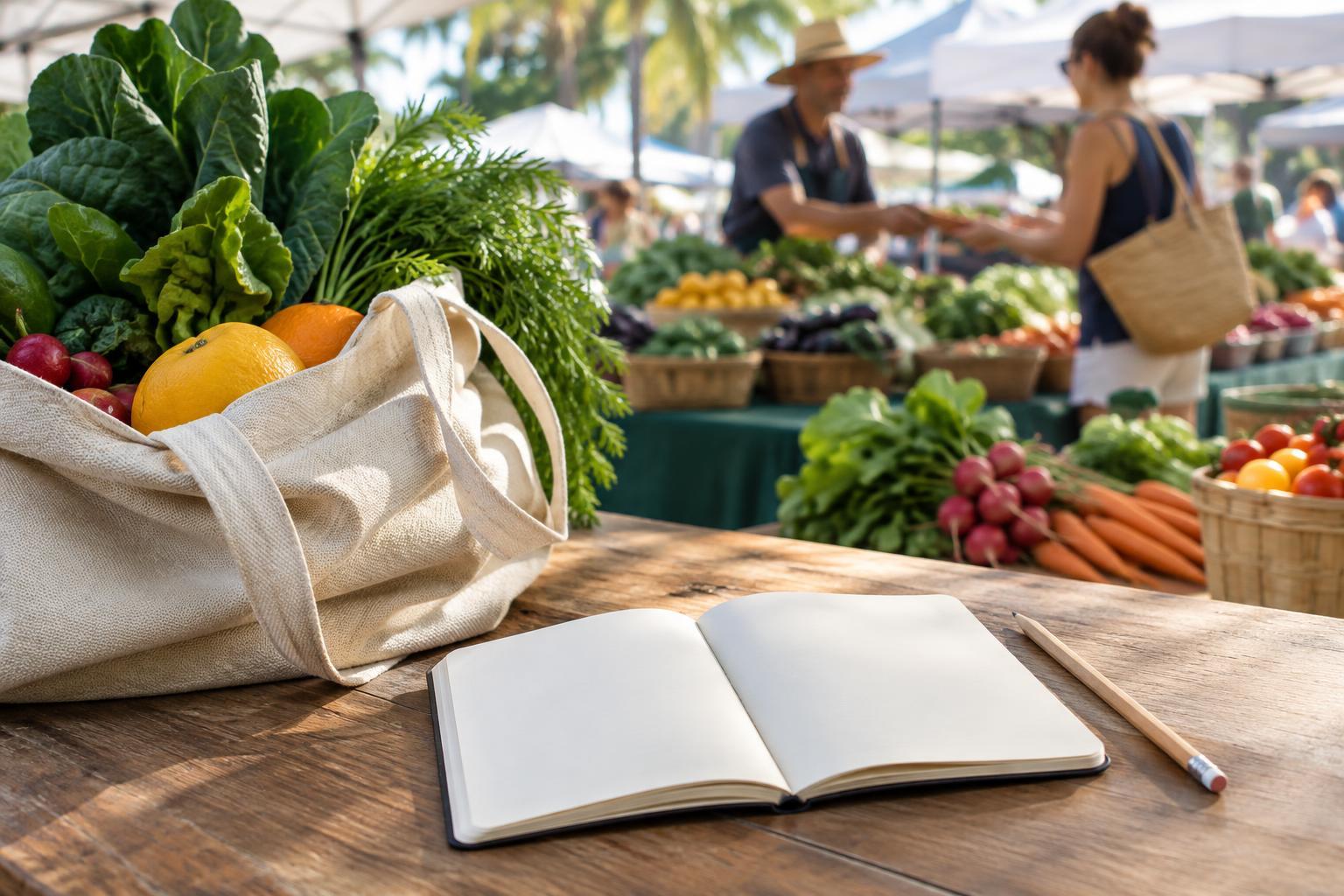
A market visit can leave you with plenty to remember: the tomatoes you liked, a grower’s cooking suggestion, or a plant you meant to ask about next time. You do not need a detailed spreadsheet to hold on to those ideas. A small notebook, a note on your phone, or a few index cards will do. Choose the format you are most likely to check before you shop.
For each visit, write down the market name, the day you went, the vendor’s name as displayed, and what you bought. Add one detail that will help you recognize the stall again, such as its general location or a product it regularly carries. Stall positions and attendance can change, so treat these clues as reminders rather than directions. If you want a photo of a sign or display for your own reference, ask before taking it.
Record what happened after you got home
The most useful notes often come after dinner, not at the stall. Did the peaches need another day on the counter? Did a bunch of greens cook down more than you expected? Would you buy the same size bag of citrus again? A quick follow-up turns a list of purchases into a guide to your own tastes and cooking habits.
Keep the details specific and kind. “Good roasted with garlic; buy two bunches next time” is more helpful than “great vegetables.” If something was disappointing, note what you can tell: perhaps it was too much for your household to use, or you waited too long to prepare it. You can then adjust your plan without assuming you know why an item turned out a certain way. Include storage or preparation tips a vendor shared, but label them as tips to try rather than guarantees.
Make a short question list before you go
Once you have a few entries, your next questions will begin to suggest themselves. You might want to ask which variety has a firmer texture for slicing, whether a leafy green is better raw or cooked, or how soon a ripe item should be used. For a home-growing purchase, ask about the plant’s likely space and light needs, then check whether those conditions fit your yard or balcony.
Put no more than three priority questions at the top of your note. That keeps the conversation manageable when a stall is busy. Ask questions that help you decide what to buy or how to use it, and leave room for the vendor to say they do not know. If you need to discuss a longer topic, wait for a quieter moment or ask whether there is a better way to follow up.
Be flexible about seasons and availability
Florida markets can offer a changing mix of produce, prepared foods, and plants. Your notes can help you notice what you enjoyed at different times of year, but last year’s entry is not a promise that the same item will be available on your next visit. Weather, growing conditions, and individual vendors’ plans can all affect what appears on a table.
Instead of making a rigid shopping list, divide it into “look for” and “ask about.” You might look for a familiar ingredient while asking what could stand in for it if it is absent. Record the substitution you tried and how you used it. Over time, this gives you a flexible set of meals built around what you find, rather than a list that depends on one particular stall having one particular item.
Keep vendor notes useful and respectful
A favorite-vendor list should help you shop, not create an obligation for anyone to remember you or hold stock. If a vendor offers a business card or posts a preferred contact method, you can add that information to your notes. Otherwise, avoid recording personal details that have nothing to do with your visit. Check any market schedule or vendor availability through an appropriate current source before making a special trip.
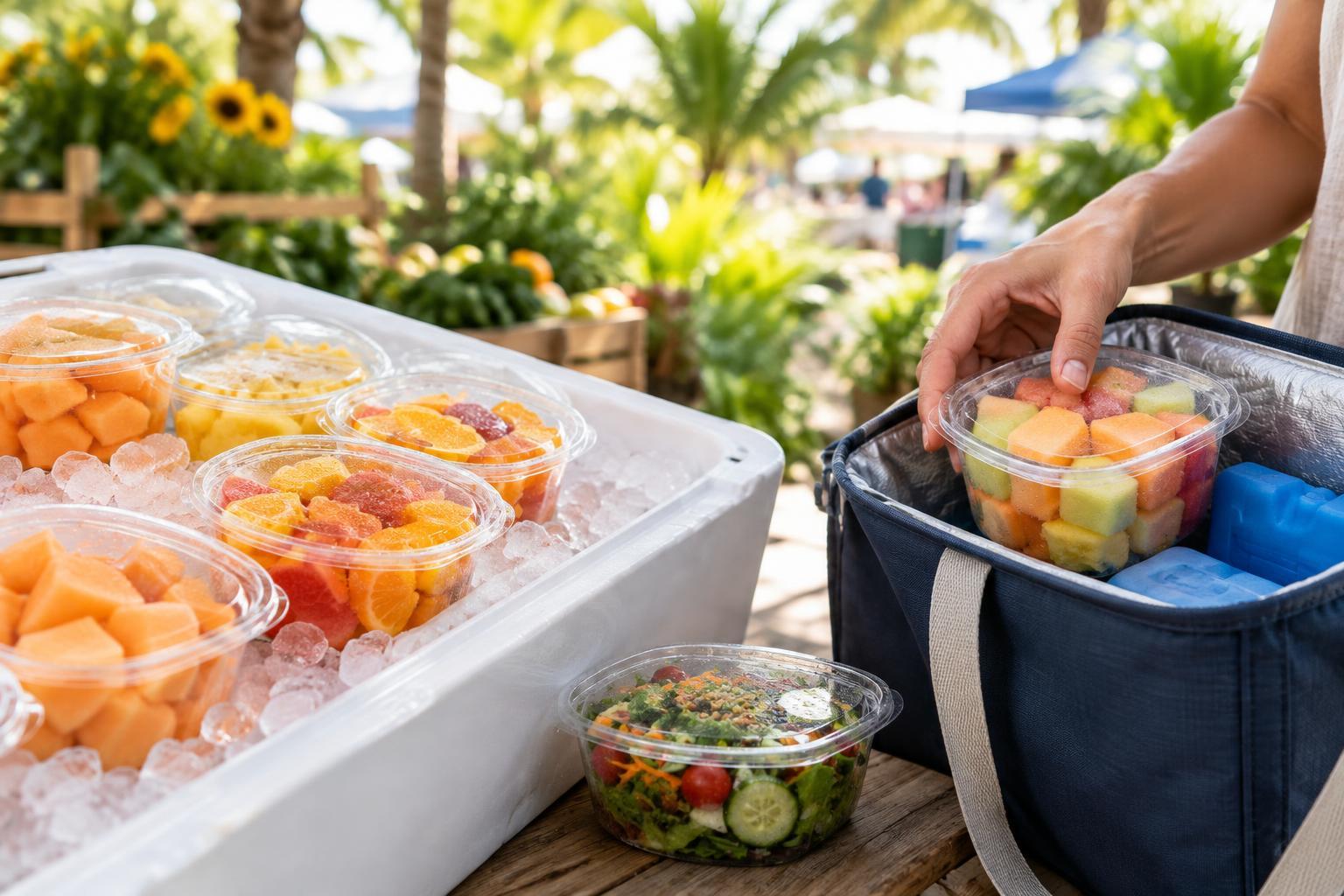
Before heading out, skim your notes and pick one familiar stop, one ingredient you would like to try, and your top question. Bring a bag suited to your purchases and, if you expect to buy delicate or perishable items, consider how you will get them home in good condition in the Florida heat. Afterward, take two minutes to record what worked. That small habit can make the next visit easier while leaving plenty of room for discovery.