Start with the kind of trip you want
There is no universally best hour to shop a farmers market. If you need a particular ingredient for dinner, arriving early may give you the widest selection. If you enjoy building a meal around whatever looks good, a later visit can work just as well. Your schedule, tolerance for crowds, and plans for getting purchases home matter as much as the clock.
Markets also vary. A small neighborhood market may feel busy all morning, while a larger one may have waves of shoppers. Weather, season, and the number of vendors can change the rhythm from one visit to the next. If you are trying a new market, give yourself time to look around before buying everything on your list.
What an early arrival can offer
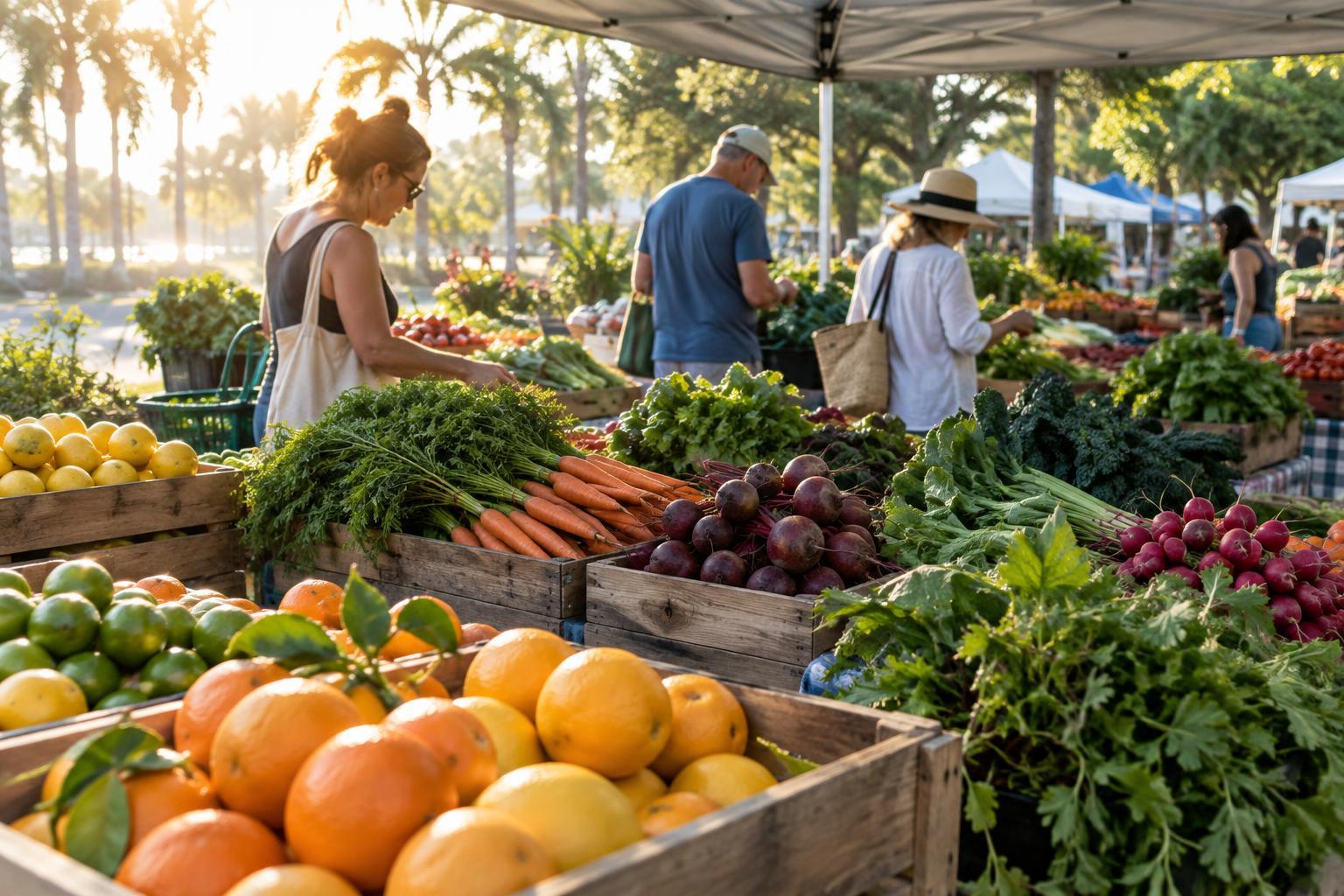
Shopping near the start of a market often gives you more choices of varieties, sizes, and quantities. That can be useful when you need enough of one vegetable for a recipe or want to compare produce at several stands. Vendors may also have more time to explain unfamiliar ingredients before their stalls get busy, though setup can still be underway at some markets.
Early does not always mean quiet. Other shoppers may have the same idea, and popular stalls can draw lines soon after opening. Bring a short priority list and visit the items you care most about first. Then make a second, slower pass for discoveries. If a vendor is still arranging a display, give them room to finish rather than reaching into crates or behind the table.
What a later visit changes
Later shopping calls for more flexibility. A vendor may have sold out of a specific herb, fruit, or baked item, and the remaining produce may offer fewer choices. On the other hand, an ingredient you had not planned to buy might suggest a better meal. Think in categories rather than exact recipes: greens for a sauté, vegetables for roasting, or fruit to eat over the next few days.
Do not count on end-of-market discounts. Some vendors may choose to reduce prices, while others will take unsold goods home or bring only what they expect to sell. Posted prices are the starting point; if you want to know whether a vendor offers a deal on a larger quantity, ask politely and accept the answer. Near closing, shop efficiently so vendors have space and time to pack up.
Account for crowds, heat, and the trip home
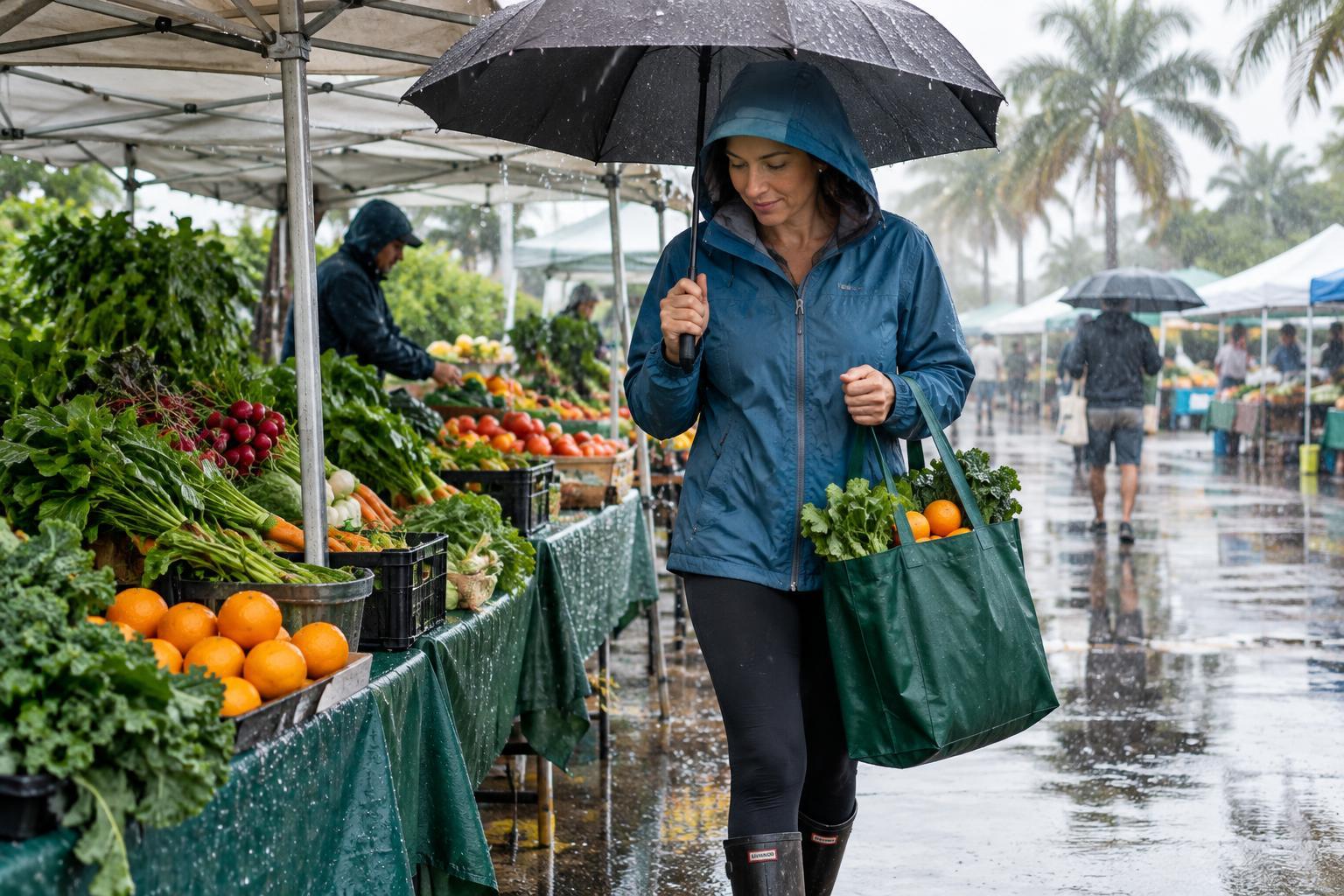
In Florida, a comfortable shopping hour can depend on sun, rain, and the season as well as crowd size. An earlier visit may mean less time carrying purchases in warm conditions, but an overcast or rainy morning can change the experience. Check the forecast, wear comfortable shoes, and bring water if you expect to linger. Shade and parking may be limited, so plan for the walk back to your car or transit stop.
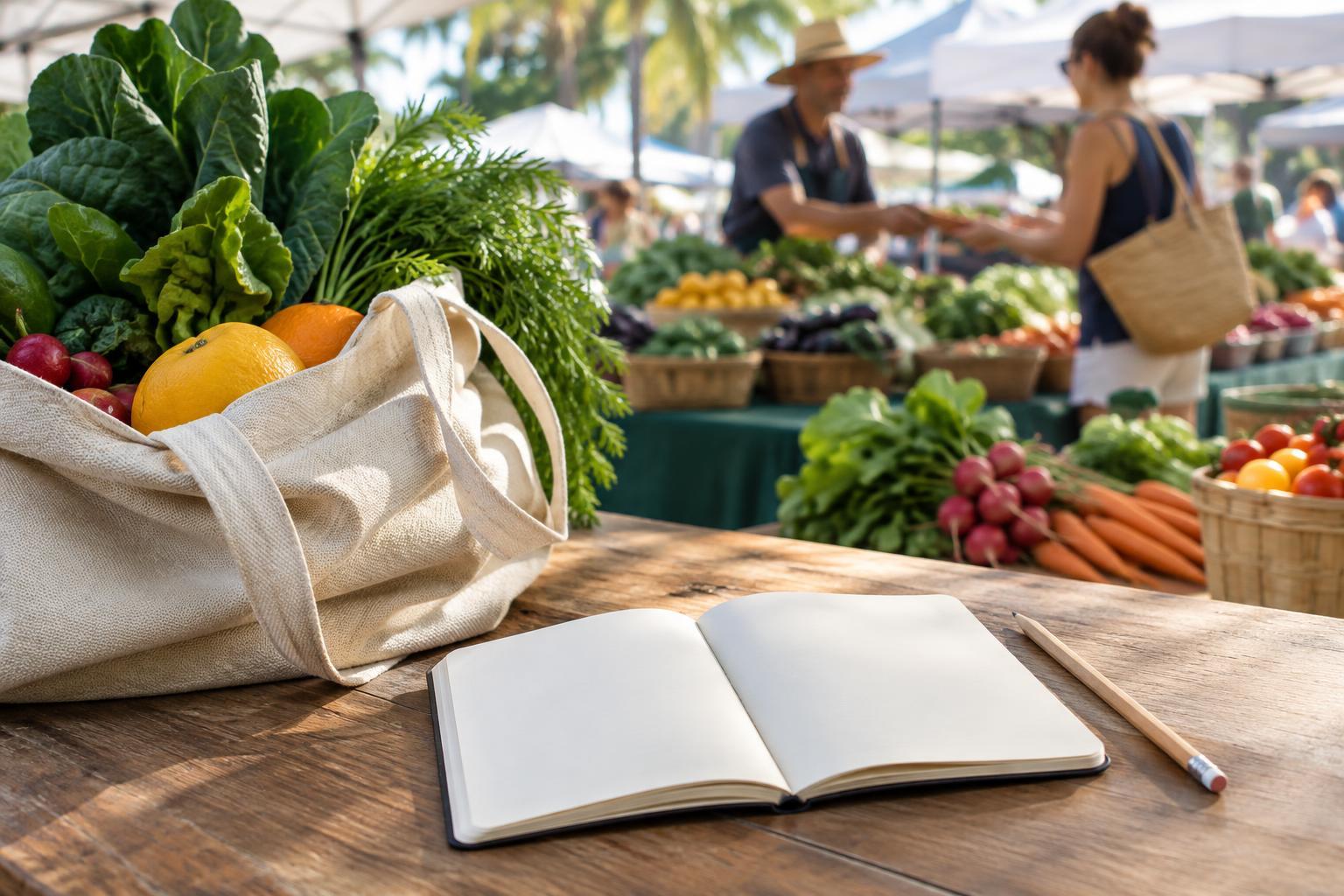
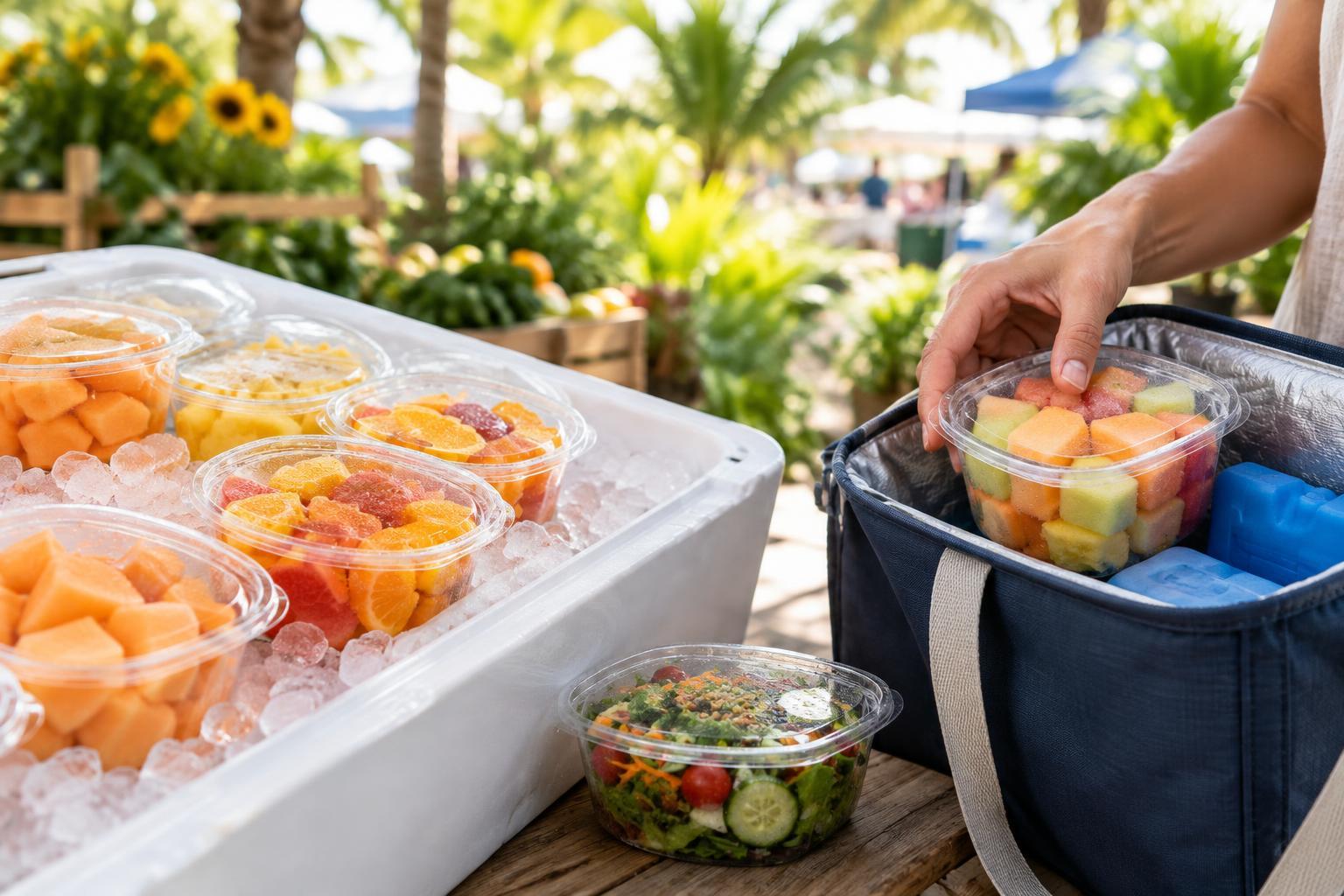
Bring a sturdy bag for produce and a cooler or insulated bag when you plan to buy foods that need to stay cold. Keep delicate greens and berries from being crushed under heavier items. Whether you shop early or late, avoid leaving perishable purchases in a warm vehicle while you continue your outing. A direct trip home can be more valuable than finding the perfect hour to arrive.
A simple way to choose your timing
Go early when you have a specific list, need a larger quantity, or want time to compare options. Consider going later when your meal plan is adaptable and you are comfortable with a smaller selection. If crowds are your main concern, try different parts of the market window on separate visits; you will learn more about that market’s rhythm than any general rule can tell you.
Whichever time you choose, bring a backup idea for dinner and ask vendors how they like to use an unfamiliar item. Buy what you can carry and store well, rather than letting the fear of missing out fill your bags. A good market trip is not necessarily the one with the most choices or the fewest people. It is the one that leaves you with ingredients you are ready to enjoy.